

Heat Check: Offenburg Swelters While Kiel Stays Shaded Amidst Heatwaves
Translated from German, summarized and contextualized by DistantNews.
At a glance
News
Sources not specified
Context piece
- Offenburg experiences significant heat, while Kiel offers cooler, shaded conditions during heatwaves.
- The article examines how different German cities adapt to rising temperatures.
- Urban planning and green spaces play a role in mitigating heat effects.
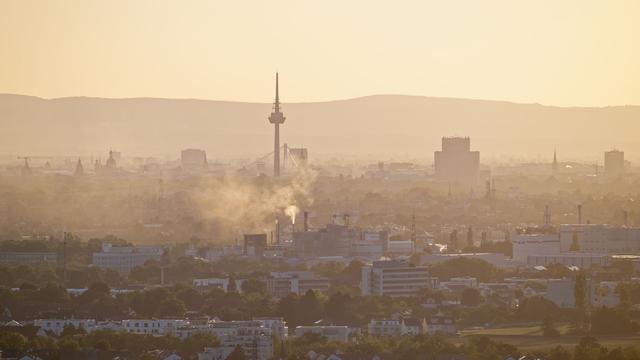
As heatwaves become more frequent and intense, German cities are experiencing vastly different responses to extreme temperatures, highlighting the impact of urban planning and geography.
In Offenburg, residents grapple with intense heat, indicative of areas with less natural cooling. The city's conditions serve as a stark example of urban heat island effects where built environments trap heat.
Conversely, Kiel offers a contrasting experience, characterized by cooler temperatures and more shaded areas. This difference suggests that strategic urban design, including the presence of parks, water features, and tree canopies, can significantly mitigate the adverse effects of heatwaves.
The article implicitly calls for greater attention to heat adaptation strategies in urban development across Germany, recognizing that localized environmental factors and planning decisions can drastically alter residents' experiences during periods of extreme heat.
DistantNews Editorial
Originally published by Die Zeit in German. Translated, summarized, and contextualized by our editorial team with added local perspective. Read our editorial standards.
More Stories

From Our Blog

What Gets Lost (and Found) When News Is Translated

How the Same Story Looks Different in Different Countries

The Critical Role of Diaspora Media in Global News

What Travellers Should Know About Countries with Restricted Press

A Digital Nomad's Guide to Following Local News
