


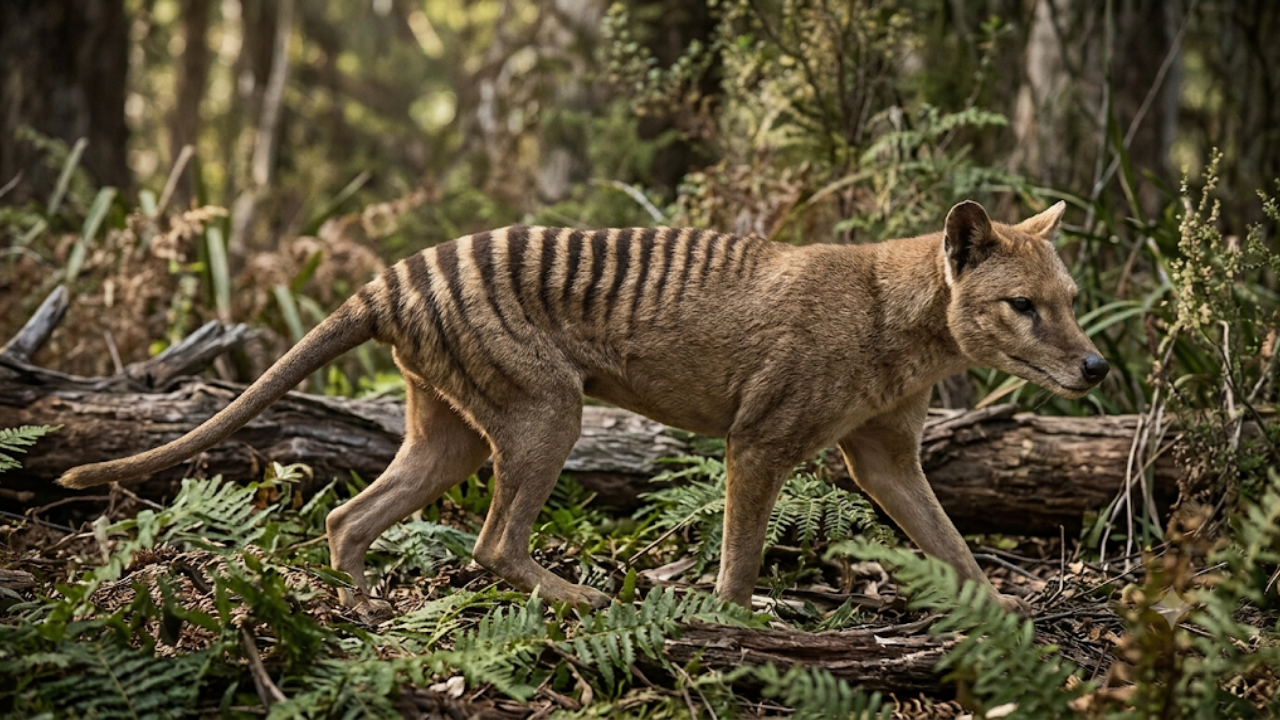
The sheep-killer myth that helped drive the Tasmanian tiger to extinction and why scientists think farmers got it wrong
Summarized and contextualized by DistantNews.
At a glance
News
Sources not specified
Context piece
- Scientists suggest farmers were mistaken about Tasmanian tigers killing sheep.
- New research indicates the extinct predator likely preyed on smaller animals.
- This challenges long-held beliefs about the tiger's diet and extinction cause.
For decades, farmers in Tasmania blamed the thylacine, or Tasmanian tiger, for preying on their sheep. This perception fueled a government bounty and hunting campaigns that ultimately led to the animal's extinction in the 1930s. However, new scientific research is challenging this long-held narrative.
Scientists now believe that the thylacine's diet consisted primarily of smaller prey. Analysis of fossilized remains and historical accounts suggests the marsupial predator was more likely to hunt animals like wallabies, bandicoots, and birds. Its jaw structure and hunting adaptations also point towards a preference for smaller, more agile prey rather than larger livestock.
The prevailing belief that thylacines were sheep-killers was a significant factor in their demise. Farmers' fears, whether justified or not, led to widespread persecution. This new understanding of the thylacine's true diet could reshape how the animal's extinction is viewed, shifting focus from a supposed menace to livestock to a victim of human misunderstanding and fear.
DistantNews Editorial
Originally published by Times of India. Summarized and contextualized by our editorial team with added local perspective. Read our editorial standards.
More Stories



From Our Blog

What Press Freedom Means for the News You Read

What Gets Lost (and Found) When News Is Translated

The Critical Role of Diaspora Media in Global News

What Travellers Should Know About Countries with Restricted Press

A Digital Nomad's Guide to Following Local News
