


This week in Philippines
Preparations dominated coverage ahead of the September 14 BARMM parliamentary elections, with over 10,000 troops and 9,435 police deployed. Comelec officials said preparations were nearly complete and promised fair, peaceful voting despite recent violence and the cancellation of Moro Ako’s registration. Heavy rain disrupted a special congressional election in Dasmariñas City, while Vice President Sara Duterte’s impeachment trial continued over confidential funds.
About Philippines
The Philippines, an archipelago nation in Southeast Asia, captivates with its stunning natural beauty, vibrant culture blending Asian, Latin, and American influences, and a dynamic economy. However, its spirited press operates under significant challenges, facing violence and legal harassment that profoundly shape the national news narrative. The landmark closure of ABS-CBN in 2020 underscored the persistent threats to media freedom in the country.
Visiting Philippines
Media landscape
The Philippines boasts a vibrant media environment, yet it is one where journalists frequently contend with violence, legal harassment, and significant pressure. The 2020 closure of major broadcaster ABS-CBN stands as a stark example of the challenges to press freedom.
When consuming news from the Philippines, be aware of the diverse political leanings of outlets and the pressures journalists face, which can influence reporting.
Sources we track 2
Army deploys two more provisional battalions for BARMM elections
The Philippine Army has sent two additional provisional battalions to Lanao del Sur ahead of the Sept. 14 Bangsamoro Parliamentary Elections. Maj. Gen. Yegor Rey Barroquillo Jr., commander of the Army…

LIVE UPDATES: Sara Duterte Impeachment Trial, Sept. 1, 2026
Two Philippine military officers were scheduled to testify as Vice President Sara Duterte’s impeachment trial entered its ninth week. The House prosecution panel expected Colonel Manaros Boransing II …

Marcos hails West Philippine Sea defenders on National Heroes’ Day
President Ferdinand Marcos Jr. used National Heroes’ Day to spotlight a group of modern defenders whose work takes place at sea: Filipino fisherfolk and government personnel protecting the country’s w…

Army boosts security for historic BARMM parliamentary elections
About 395 soldiers are being sent to the Bangsamoro region for security duty during its historic parliamentary elections on Sept. 14. The Philippine Army’s 10th Infantry Division deployed personnel fr…
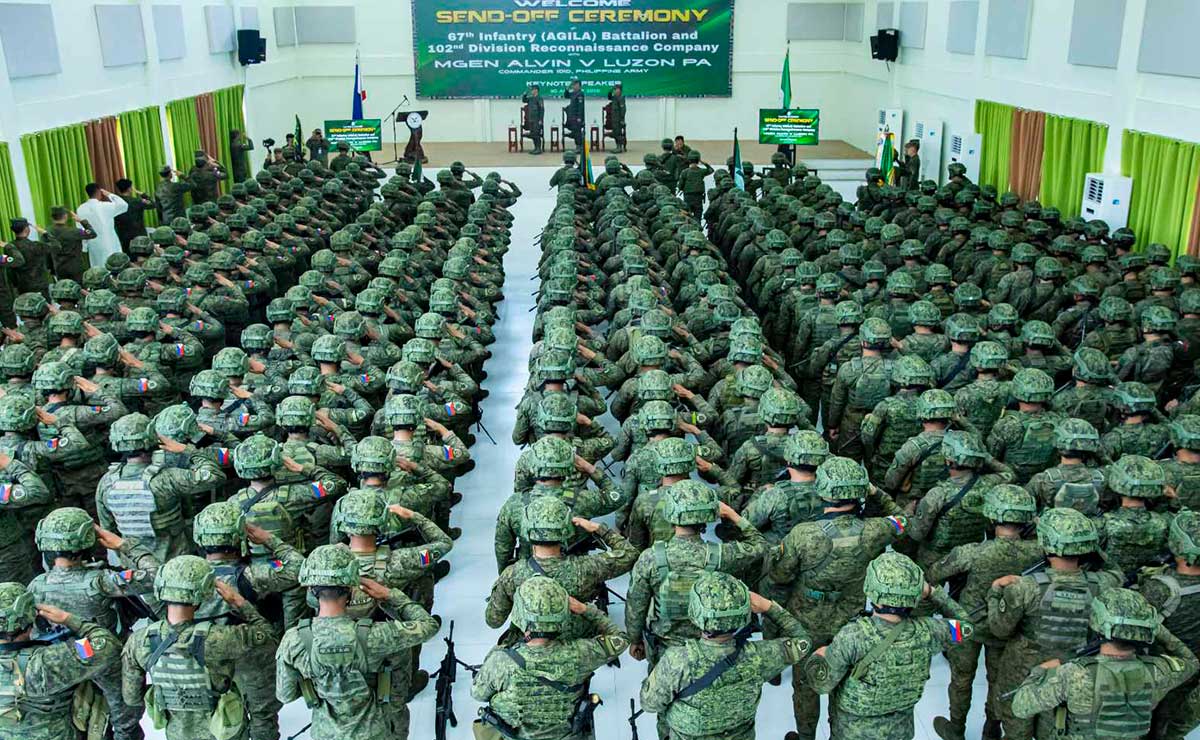
Philippine government and MILF sign pact to keep Bangsamoro polls peaceful
The Philippine government and the Moro Islamic Liberation Front have signed an agreement intended to keep the first Bangsamoro Parliamentary Elections peaceful and orderly on Sept. 14. The memorandum …

Philippine Army Sends More Troops to Secure BARMM Elections
The Philippine Army has deployed 395 soldiers to the Bangsamoro region as the autonomous region prepares for its parliamentary elections on Sept. 14. The troops come from the 67th Infantry Battalion a…

West Philippine Sea: Tarriela Urges Filipinos to Shed a ‘Defeatist Mindset’
Rear Admiral Jay Tarriela used National Heroes’ Day to urge Filipinos to reject what he called a defeatist attitude toward the country’s fight for sovereign rights in the West Philippine Sea. “Let us …

Marcos Vows to Defend Philippine Maritime Rights Peacefully and Lawfully
President Ferdinand Marcos Jr. used National Heroes’ Day to renew his pledge to defend the Philippines’ maritime rights, while insisting that the country’s approach would remain peaceful and lawful. S…
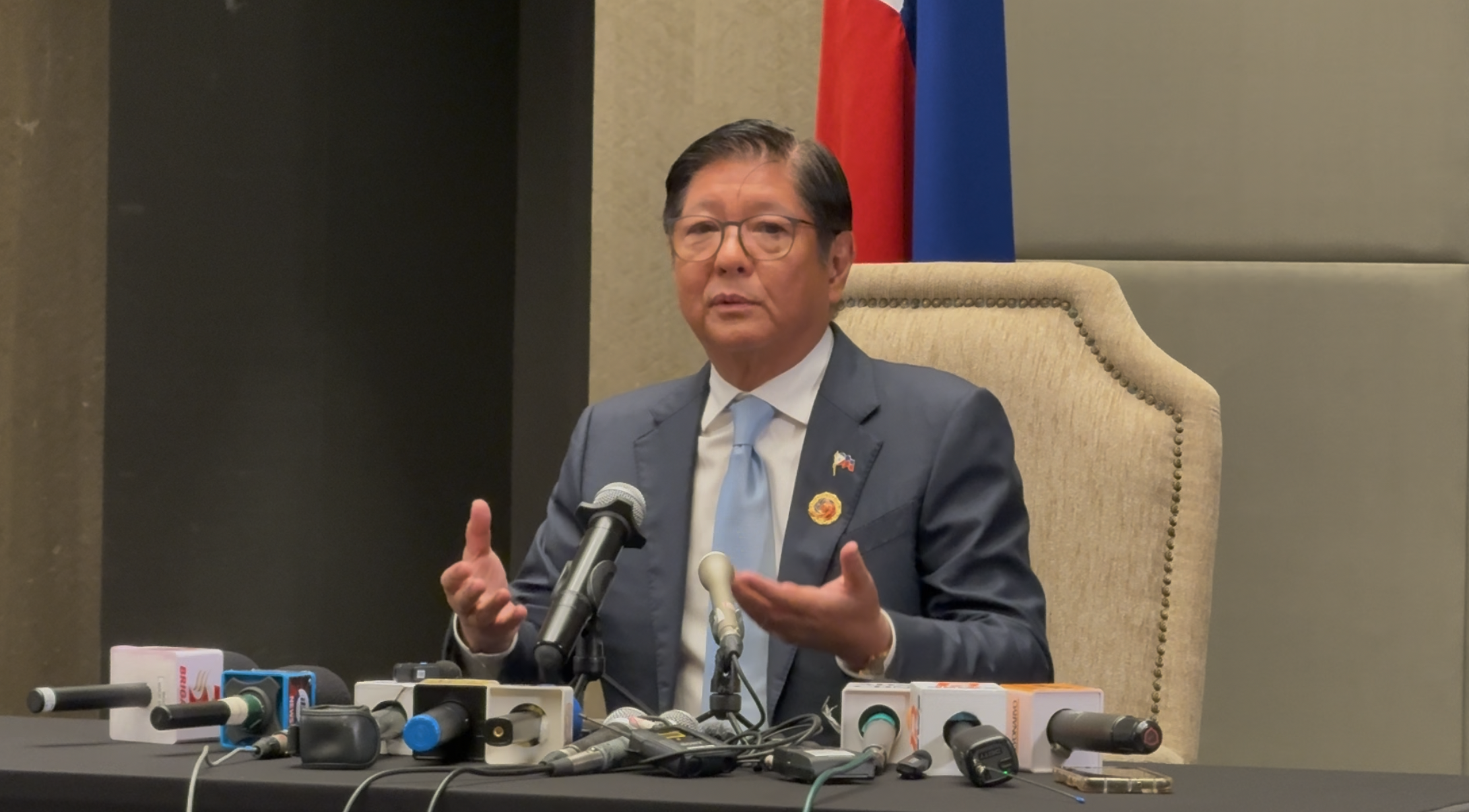
Jennifer Barzaga’s Landslide Win Keeps Family Dynasty in Control of Dasmariñas
Jennifer “Jenny” Barzaga won Dasmariñas City’s congressional special election by a landslide, returning the Cavite fourth-district seat to the family that has dominated the city’s politics for nearly …

300 Caraga police officers assigned as poll workers for BARMM elections
At least 300 police officers from the Philippines’ Caraga region will take on election duties in the Bangsamoro Autonomous Region in Muslim Mindanao, stepping in where teachers cannot serve because of…

Philippines election: Voting hours extended due to heavy rain
Heavy rains brought by the southwest monsoon prompted election officials in Dasmariñas City, Philippines, to extend voting hours for a special election on Saturday. The Commission on Elections (Comele…
Rain dampens turnout expectations for Philippine special election
Heavy rain from the southwest monsoon is expected to significantly dampen voter turnout in Dasmariñas City's special election, according to the Commission on Elections (Comelec). Comelec Chairperson G…
Philippine court acquits TV producers in Gretchen Fullido harassment case
A Quezon City court has cleared two television producers of sexual harassment charges leveled against them by showbiz journalist Gretchen Fullido. Cheryl Favila, a former supervising producer, and Mar…
Philippines: Voters brave rain for special congressional election in Dasmariñas City
Voters in Dasmariñas City, Philippines, braved heavy rain on Saturday to participate in a special election for the 4th District congressional seat. The election was called after former lawmaker Franci…

Philippines: Voting hours may extend due to heavy rain in Dasmariñas special election
In Dasmariñas City, Philippines, voters cast their ballots in a special election under heavy rain, prompting the Commission on Elections (Comelec) to consider extending voting hours. The decision hing…
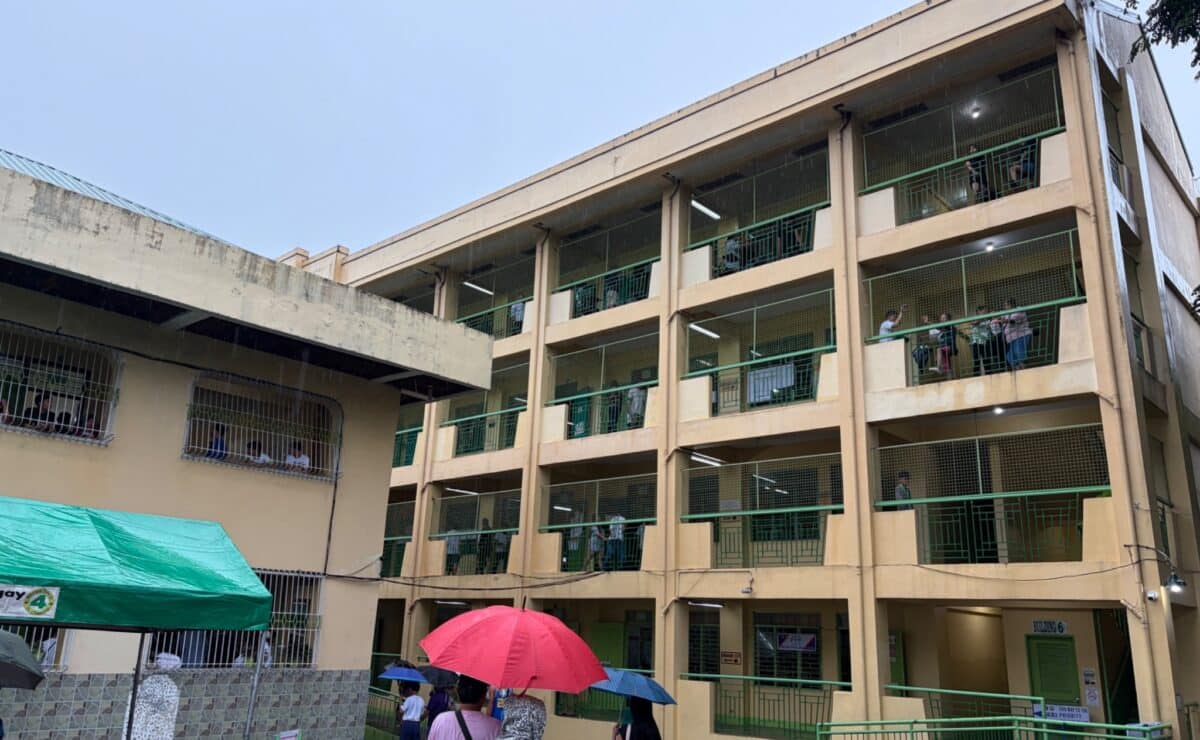
Comelec: Votes for cancelled candidates are stray
The Commission on Elections (Comelec) in the Philippines has clarified that votes cast for candidates or parties whose certificates of candidacy are canceled by final judgment will be treated as stray…
Philippines' Comelec vows fair and accurate BARMM elections
The Commission on Elections (Comelec) in the Philippines has pledged to conduct accurate and fair parliamentary elections for the Bangsamoro Autonomous Region in Muslim Mindanao (BARMM) on September 1…

Comelec cancels Moro Ako Party registration for 2026 BARMM polls
The Commission on Elections (Comelec) has definitively denied the Moro Ako Party's bid to reinstate its registration for the upcoming Bangsamoro Autonomous Region in Muslim Mindanao (BARMM) parliament…
Six Aetas, Three Minors, Die as Boat Capsizes in Zambales Lake
Six Aetas, three of them minors, have died after a pump boat carrying 13 passengers capsized in Mapanuepe Lake in San Marcelino, Zambales. The incident occurred on Thursday afternoon, August 27, as th…
Supreme Court upholds rule: Second placers don't automatically inherit local posts
The Supreme Court has firmly reiterated that candidates who secure the second-highest number of votes in local elections are not automatically entitled to assume office if the winner is later disquali…

Comelec all set for BARMM polls
The Commission on Elections (Comelec) is nearing full readiness for the inaugural parliamentary elections in the Bangsamoro Autonomous Region in Muslim Mindanao (BARMM), scheduled for September 14. Ni…
Comelec warns parties against illegal campaign activities for BARMM polls
The Commission on Elections (Comelec) has issued a stern warning to regional parliamentary political parties, cautioning them against engaging in unlawful campaign activities as the first Bangsamoro A…

Philippines deploys over 10,000 troops for Bangsamoro regional elections
The Armed Forces of the Philippines (AFP) has mobilized over 10,000 military personnel to ensure security for the upcoming parliamentary elections in the Bangsamoro Autonomous Region in Muslim Mindana…

Supreme Court: Second placers don't automatically succeed disqualified local winners
The Philippine Supreme Court has definitively settled the "second placer rule" for local elections, affirming that candidates who come in second do not automatically succeed winners who are later disq…

Philippine police deploy over 9,400 officers for BARMM elections
The Philippine National Police (PNP) has mobilized over 9,400 officers to ensure security for the Bangsamoro Autonomous Region in Muslim Mindanao (BARMM) parliamentary elections scheduled for Septembe…
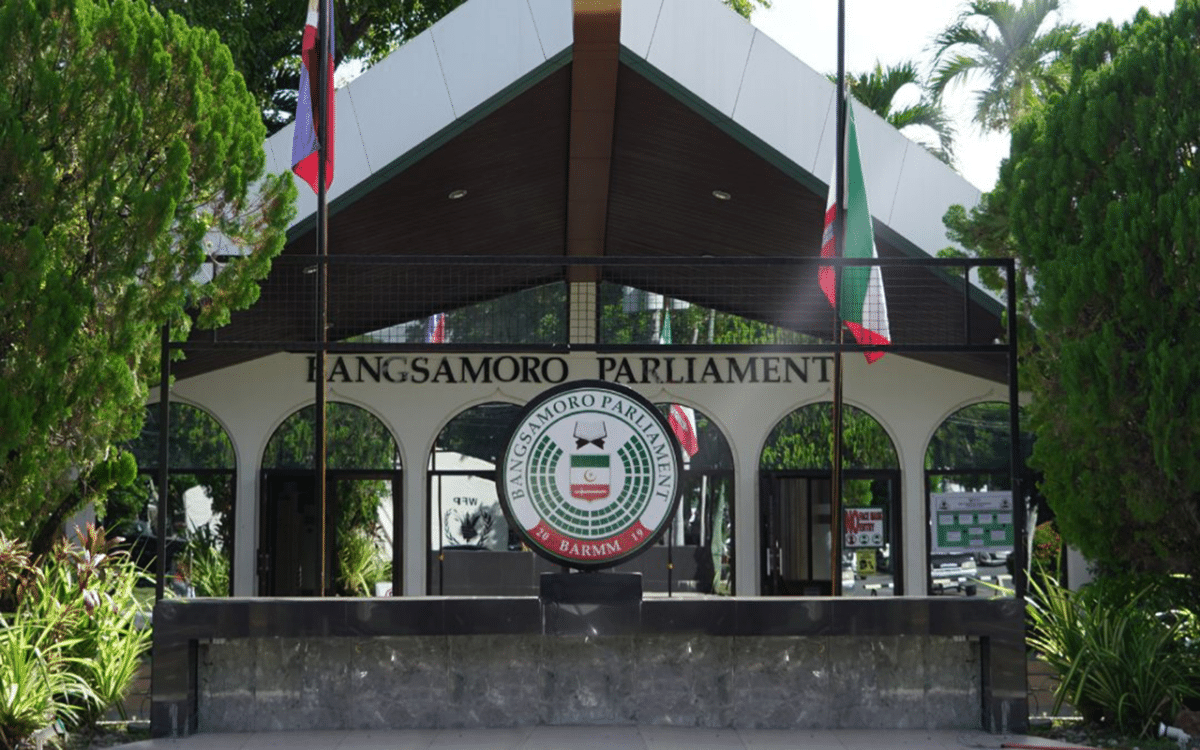
Comelec, security forces finalize preparations for Bangsamoro polls
The Commission on Elections (Comelec) and security forces have completed all necessary preparations for the upcoming September 14 parliamentary elections in the Bangsamoro Region. A final command conf…
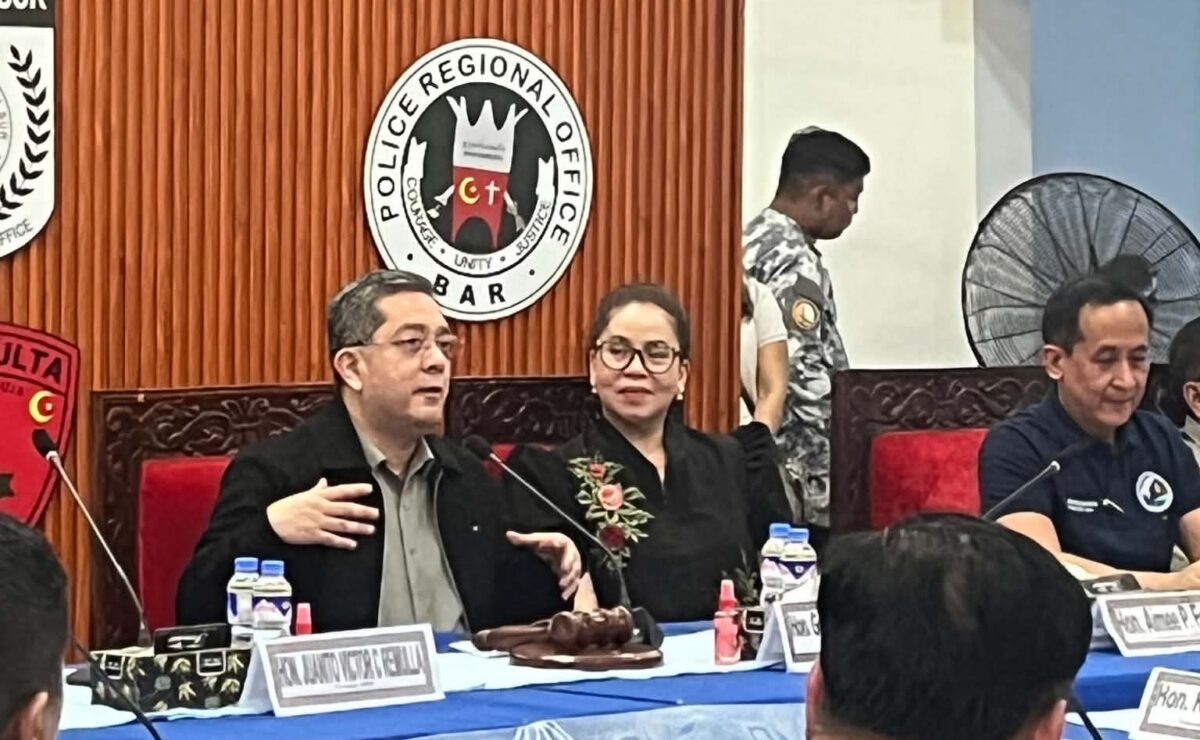
Non-Moro Indigenous Peoples elect two representatives to BARMM Parliament through traditional process
Even before the official parliamentary elections on September 14, two representatives from non-Moro Indigenous Peoples (IPs) have already secured their seats in the Bangsamoro Autonomous Region in Mus…
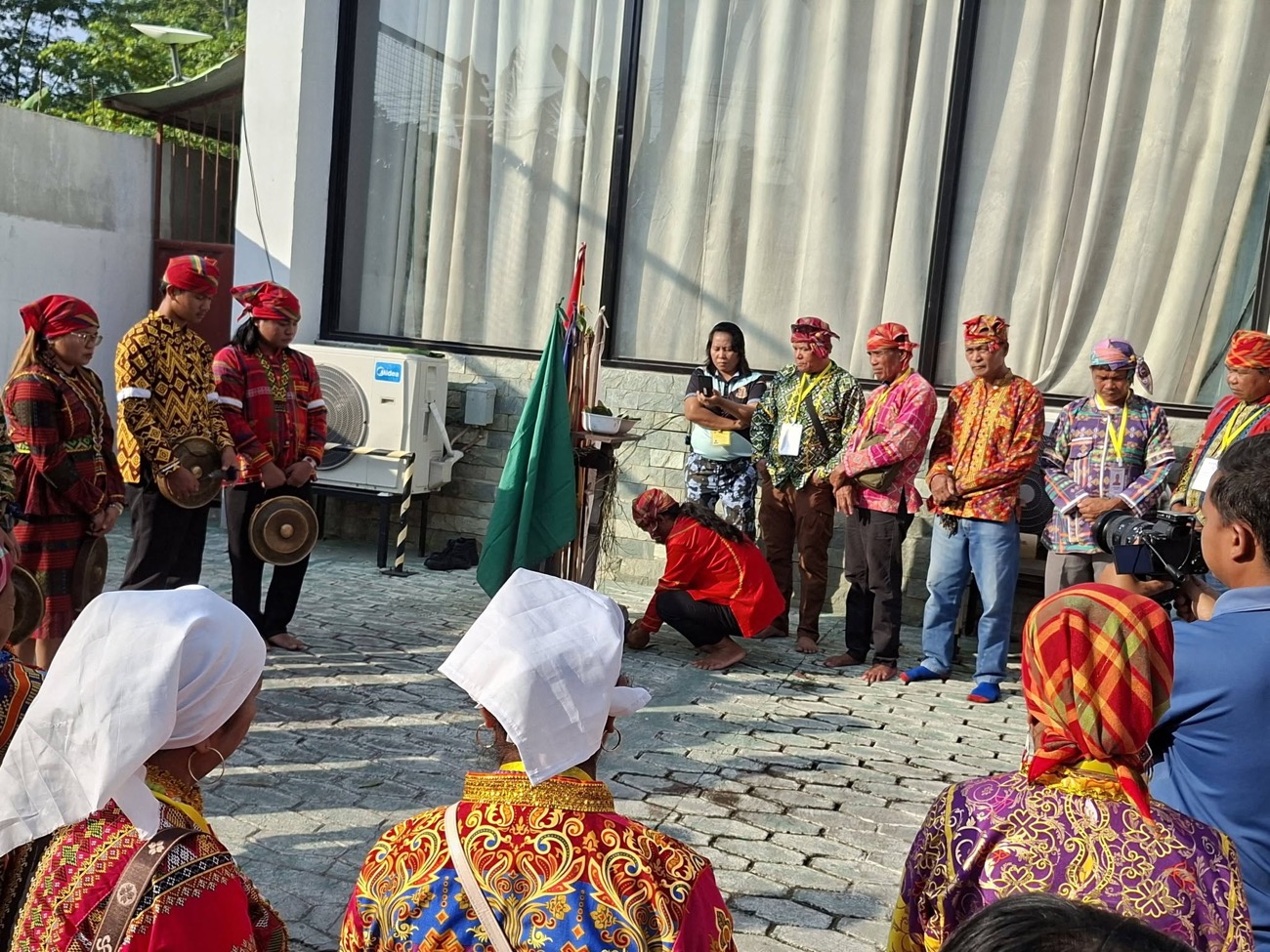
BARMM elections to showcase Muslim-Christian unity, says Remulla
Interior and Local Government Secretary Juanito Victor “Jonvic” Remulla has declared that the upcoming Sept. 14 elections in the Bangsamoro Autonomous Region in Muslim Mindanao (BARMM) will serve as a…
Nepal-Tibet Flash Floods – LIVE UPDATES
Catastrophic flash floods and landslides have devastated areas along the Nepal-Tibet border, resulting in at least 160 confirmed deaths and hundreds of people still missing. The disaster struck on Wed…

Philippine youth councils demand end to election postponements
The Sangguniang Kabataan (SK) councils across Mamburao, the capital town of Occidental Mindoro, have issued a unified statement opposing the continued postponement of the Barangay and Sangguniang Kaba…

Comelec confident in peaceful BARMM elections despite recent violence
The Commission on Elections (Comelec) remains optimistic about the upcoming September 14 parliamentary elections in the Bangsamoro Autonomous Region in Muslim Mindanao (BARMM), despite a recent spate …

BARMM poll preparations 98% complete - DILG
National government preparations for the upcoming Bangsamoro Autonomous Region in Muslim Mindanao (BARMM) parliamentary elections are nearly complete, with Interior and Local Government Secretary Jonv…
Southern Philippines areas declared 'insurgency-free' by 10th Infantry Division
Local leaders in the southern Philippines have reiterated their commitment to supporting the Army's 10th Infantry Division. This support is crucial for ongoing efforts to re-establish normalcy in town…
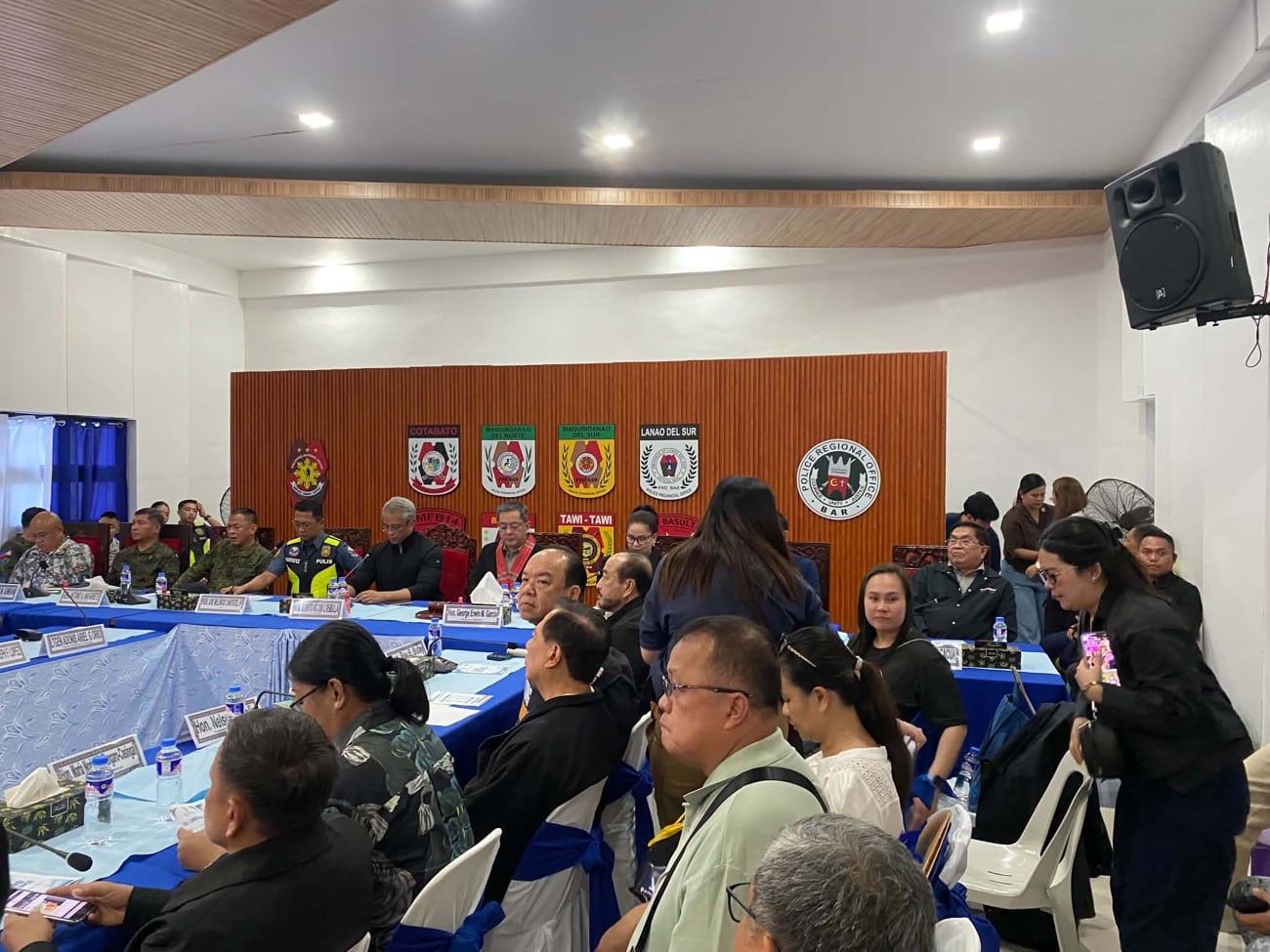
Comelec holds final command conference for Sept. 14 BARMM polls
High-level officials gathered in Parang, Maguindanao del Norte, on Wednesday for a final command conference concerning the September 14 Bangsamoro parliamentary elections. The meeting, held at the Pol…

Sara Duterte impeachment trial: Court addresses counsel's remarks, hears OVP funds testimony
The impeachment trial of Philippine Vice President Sara Duterte continued on its 19th day, with the Senate impeachment court addressing statements made by a House prosecution counsel. Amando Ligutan r…

Pro-China PH execs may be receiving ‘support,’ says Defense chief
Philippine Defense Secretary Gilberto Teodoro Jr. voiced suspicion Tuesday that some elected officials may be receiving financial backing from China to spread propaganda that undermines the country's …

Senate panel okays bills on BSKE postponement, longer term for winners
The Philippine Senate's local government committee has advanced legislation that could significantly alter the upcoming Barangay and Sangguniang Kabataan Elections (BSKE). The panel approved two key b…
No China warships monitored in West Philippine Sea from Aug. 18-24
The Armed Forces of the Philippines (AFP) reported a significant observation: no Chinese navy warships were detected in four key areas of the West Philippine Sea from August 18 to 24. This marks a dep…

Some Philippine politicians may amplify China's West Philippine Sea operations: Defense Secretary
Philippine Defense Secretary Gilbert Teodoro Jr. has suggested that some Filipino politicians may be receiving support from China to amplify its operations in the West Philippine Sea (WPS). Teodoro st…

Philippines eyes more warships amid South China Sea tensions
The Philippines' Department of National Defense is exploring the acquisition of additional warships as part of its ongoing military modernization efforts. Defense Secretary Gilberto Teodoro Jr. confir…

Senate panel OKs BSKE postponement, 5-yr barangay–SK terms
A Senate panel in the Philippines has advanced legislation that would postpone the upcoming Barangay and Sangguniang Kabataan Elections (BSKE), originally scheduled for November 2026. The panel on loc…
Sara Duterte impeachment trial continues with focus on confidential funds
The impeachment trial of Philippine Vice President Sara Duterte is entering its 18th day, with a central focus on the alleged misuse of P500 million in confidential funds. Lemuel Ortonio, Assistant Ch…

Comelec: Security upped following BARMM chief ambush
Security measures have been heightened in the Bangsamoro Autonomous Region in Muslim Mindanao (BARMM) following an ambush that targeted interim Chief Minister Abdulraof Macacua. The Commission on Elec…

Sara Duterte impeachment trial resumes with key witness testimony
The impeachment trial of Vice President Sara Duterte is set to continue its 17th day, with special disbursing officer Gina Acosta returning to the witness stand. Proceedings were previously disrupted …

BARMM polls set stage for battle over regional power
Voters in the Bangsamoro Autonomous Region in Muslim Mindanao (BARMM) are preparing to elect an 80-seat parliament on September 14, a pivotal moment that will transition the region from a seven-year p…

Extensive cross-section security exercise held in BARMM's regional capital
An extensive territorial defense and community evacuation exercise brought together hundreds of participants from the military, police, and various government agencies in Cotabato City and Maguindanao…
Zambales declares state of calamity after storm damage tops P591 million
Zambales province has declared a state of calamity following two weeks of heavy rains and flooding that devastated local infrastructure and agriculture, causing damages exceeding P591 million. The Pro…
PNP records 15 gun ban violators in BARMM since election period start
The Philippine National Police (PNP) has documented 15 instances of gun ban violations within the Bangsamoro Autonomous Region in Muslim Mindanao (BARMM) since the commencement of the election period …
Three killed in Maguindanao attacks despite election gun ban
Three individuals lost their lives and another was injured in separate shooting incidents in Maguindanao provinces on Thursday, August 20. These violent events transpired despite the implementation of…

Marcos declares Sept. 14 special non-working day for BARMM polls
President Ferdinand Marcos Jr. has declared September 14, 2026, a special non-working day in the Bangsamoro Autonomous Region in Muslim Mindanao (BARMM). This declaration is to allow residents to part…
Comelec: Inmates may earn credits by voting
The Philippines' Commission on Elections (Comelec) has introduced a new resolution allowing inmates to earn credits toward their sentences by participating in electoral processes. This move, champione…

Philippines hopeful South China Sea Code of Conduct issues may be resolved soon
The Philippines is pushing for the swift conclusion of negotiations for a Code of Conduct in the South China Sea, expressing optimism that an agreement could be reached within the year. Foreign Secret…
Metro Manila hit by widespread flooding amid red rainfall warning
Metro Manila was inundated with severe flooding on Wednesday morning, August 19, as the southwest monsoon intensified, prompting the state weather bureau PAGASA to issue a red rainfall warning for the…
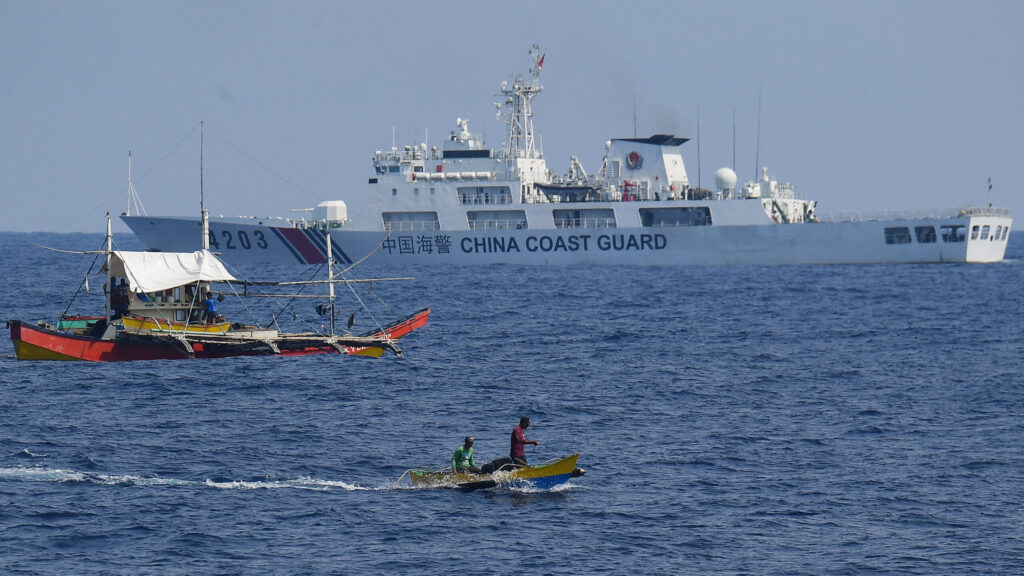
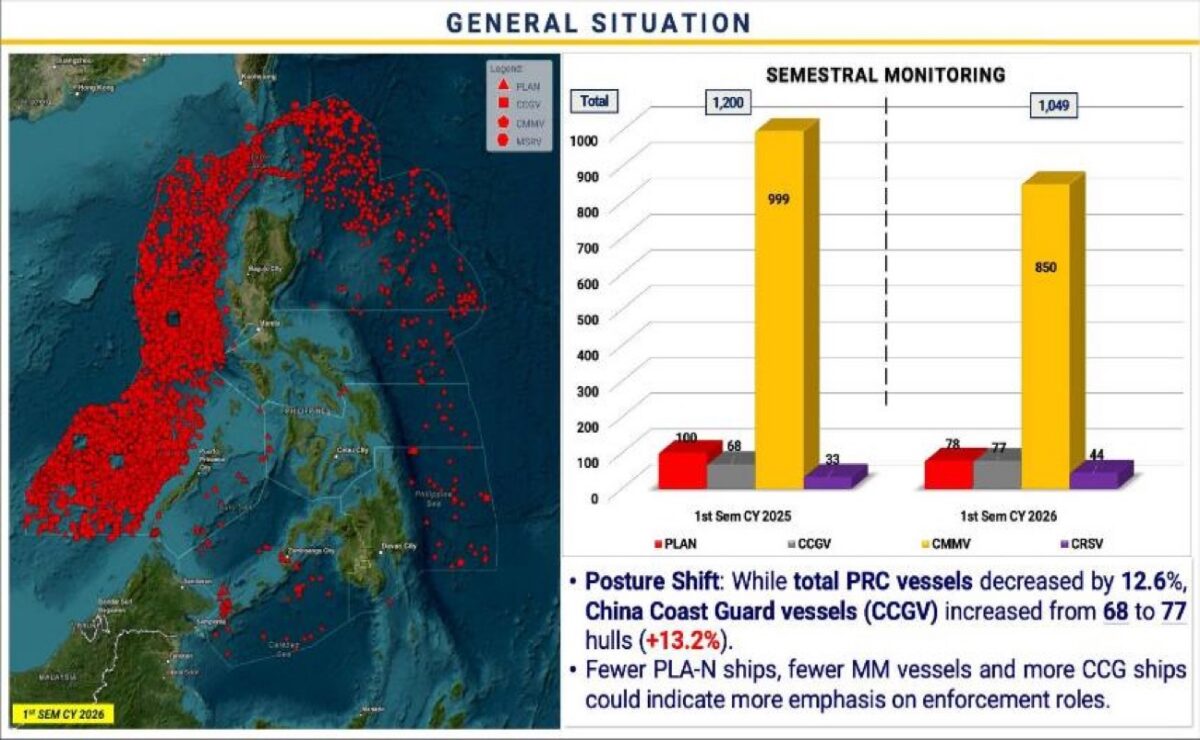
China presence in WPS shifts from navy to coast guard
China appears to be altering its maritime strategy in the West Philippine Sea, with a notable increase in coast guard and research vessels while navy and militia ship numbers have declined, according …

China shifting West PH Sea presence toward coast guard, research ships
China appears to be reorienting its maritime activities in the West Philippine Sea, with a noticeable shift towards coast guard and research operations, the Armed Forces of the Philippines (AFP) repor…
Metro Manila hit by intense rainfall, flooding rivals Ondoy levels
Metro Manila experienced intense rainfall on Monday, absorbing 201.7 millimeters in just five hours. This deluge led to significant flooding across the capital, inundating areas unaccustomed to such w…
P170.1 Million Worth of Imported Cigarettes Seized in Sulu Navy Operation
An anti-smuggling operation by the Philippine Navy has resulted in the seizure of imported cigarettes valued at P170.1 million. The successful seaborne operation took place a few miles off Parang town…
BARMM polls to proceed despite Macacua ambush, says Palace
The Philippines' Bangsamoro Autonomous Region in Muslim Mindanao (BARMM) will hold its first parliamentary elections as scheduled on September 14, Malacañang confirmed Monday. This decision comes desp…
Red rainfall warning issued for Metro Manila as monsoon intensifies
Metro Manila is bracing for significant flooding as the Philippine weather bureau, PAGASA, raised a red rainfall warning over the capital region Monday afternoon. The intensified southwest monsoon, kn…
Derek Ramsay to cooperate with LTO on supercar fake plate probe
Actor Derek Ramsay has pledged to cooperate with the Land Transportation Office (LTO) as it investigates a viral supercar reportedly bearing a fake license plate. The Porsche 918 Spyder was seen on pu…
Palace orders probe into attack on BARMM chief minister's convoy
President Ferdinand Marcos Jr. has ordered a swift and thorough investigation into the ambush of the convoy belonging to the interim chief minister of the Bangsamoro Autonomous Region in Muslim Mindan…
BARMM Chief Minister Assumes Leadership of Bangsamoro Federalist Party
Abdulrauf Macacua, the chief minister of the Bangsamoro Autonomous Region in Muslim Mindanao (BARMM), has officially taken the helm as chairman of the Bangsamoro Federalist Party. This move solidifies…
More than 50 families displaced by Zamboanga fire
A devastating fire swept through a seaside residential area in Barangay Sangali, Zamboanga City, early Friday morning, destroying at least 40 houses and displacing around 60 families. The blaze, which…
First Women's Welfare Center launched in Maguindanao del Norte hospital
A significant milestone in women's healthcare has been achieved in the Philippines with the launch of the Women's Welfare Center (WWC) at the Cotabato Sanitarium and General Hospital (CotSanGen) in Ma…
Metro Manila roads finally clear, says MMDA
Metro Manila's roads are finally clear of floodwaters, the Metropolitan Manila Development Authority (MMDA) announced Wednesday morning. This marks a significant relief after a week of persistent heav…
LTO database maker cries foul over blacklisting
German technology provider Dermalog Identification Systems GmbH has strongly refuted calls for its blacklisting by the Philippine government, asserting that it has met all its contractual obligations …
Flooded Metro Manila roads disrupt commutes on August 10
Metro Manila experienced significant disruptions on August 10, 2026, as heavy rains from the southwest monsoon inundated numerous roads across the metropolitan area. The downpours led to several route…
Electricity being restored in Baguio, Benguet amid torrential rains, strong winds
Power restoration efforts are underway in Baguio City and the wider Benguet province, as the Benguet Electric Cooperative (BENECO) battles torrential rains and strong winds battering the region. The c…
Flooding Reported in Metro Manila and Nearby Areas Due to Enhanced Monsoon Rains
Parts of Metro Manila and surrounding areas are grappling with flooding on Sunday, August 9, as heavy rains persist due to the enhanced southwest monsoon, locally known as "Habagat." The Metropolitan …
Non-Moro IP groups screen nominees for BARMM parliament
Leaders from at least six non-Moro indigenous tribes in the Bangsamoro region are converging to nominate candidates for representation in the regional parliament. This crucial selection process is tak…
Four dead in landslides as Maymay drenches Luzon
Landslides triggered by heavy rains from Tropical Depression Maymay have claimed four lives in the Philippines, with authorities reporting the fatalities on Thursday. The storm has battered Luzon, the…
LTO eyes ban on digital platform operator
The Land Transportation Office (LTO) in the Philippines is preparing to blacklist Dermalog Identification Systems GmbH, the German contractor responsible for the P3.2-billion Land Transportation Manag…
Former NPA stronghold in Agusan del Sur now a peace zone
Loreto, a municipality in Agusan del Sur once dominated by the New People's Army (NPA), has officially been declared a Stable Internal Peace and Security (SIPS) zone. This significant achievement mark…
Five arrested after theft inside Philippine Senate compound
Pasay police have arrested five individuals, including a live-in couple, in connection with a theft that occurred within the Senate compound in late July. The couple is accused of stealing computer ac…
Coal plant outages put Visayas grid on yellow alert on Aug. 3
The Visayas power grid in the Philippines operated under a yellow alert for three hours on Monday, August 3, due to unexpected shutdowns at several coal-fired power plants. The National Grid Corp. of …
14 hurt in Sulu highway accident
Fourteen villagers sustained injuries in a highway accident in Indanan, Sulu, on Friday, July 31, 2026. The incident involved an Army boom-type lifter crane truck from the 545th Engineering Brigade an…
Six rescued after boat sinks in rough seas off Maguindanao del Norte
Six passengers have been safely rescued after their small wooden boat capsized in the territorial waters of Datu Blah Sinsuat town, Maguindanao del Norte. The incident occurred on Wednesday, July 29, …
BARMM, GCash embark on online public cash assistance scheme
The Ministry of Social Services and Development-Bangsamoro Autonomous Region in Muslim Mindanao (MSSD-BARMM) has partnered with GCash, a leading mobile wallet provider, to launch the Financial Assista…
Reroutes, road closures in Manila starting July 26 for SONA 2026
The Manila Police District (MPD) is set to implement significant traffic management measures, including road closures and rerouting, across portions of Manila starting Sunday, July 26. These preparati…
Soldiers from Region 11 to help secure BARMM polls
Philippine Army troops are being mobilized to ensure the security of the upcoming Bangsamoro parliamentary elections, marking a significant step in the region's political development. Soldiers from th…
MMDA Official Barred From Clearing Ops After Teacher-Shaming Video
Metropolitan Manila Development Authority (MMDA) official Gabriel Go has been removed from clearing operations and is facing a new investigation after a video surfaced showing him publicly scolding a …
Journalist's home targeted in alleged arson attempt
A journalist's home in Laguna, Philippines, was targeted in an alleged arson attempt early Thursday morning, July 16. Marlon Ramos, a journalist, and his wife were awakened by an explosion and thick s…
Four outlaws linked to Dawlah Islamiya killed in Philippine clash
Four individuals linked to the Dawlah Islamiya criminal group have been killed during joint police and Army operations in Banisilan, Cotabato, in the southern Philippines. The law enforcement actions,…
Visayas grid under red alert as plant outages persist
The Visayas power grid in the Philippines faces a red alert for two hours on Thursday, July 9, as multiple power plants remain offline. The National Grid Corp. of the Philippines (NGCP) announced the …
2 cops killed in Sultan Kudarat ambush
Two police officers were killed in a violent ambush Tuesday night in Barangay Tinumigues, Lambayong town, Sultan Kudarat province. Patrolman Apollo Morante Pagurayan and Patrolman Joerel Basilan Bullo…
Soldiers Build Shelters for Earthquake Victims in Sarangani
Army carpenters are actively constructing core shelters for residents in Glan town, Sarangani, who were displaced by a devastating Magnitude 7.8 earthquake on June 8, 2026. The initiative involves the…
Price Tracker: Oil, fuel monitor for July 7–13, 2026
Fuel prices in Metro Manila are poised for an increase starting Tuesday, July 7, 2026. Consumers can expect hikes in diesel and kerosene, with adjustments ranging from P1.57 to P3.57 per liter for die…
DOE: Diesel, kerosene prices may rise by over P1 per liter
Filipinos can expect a hike in fuel costs this week, with diesel and kerosene prices set to rise by more than P1 per liter. The Department of Energy (DOE) released its latest fuel price adjustment for…
Quezon City logs spike in COVID-19 cases in 3 weeks
Quezon City in the Philippines is experiencing a notable surge in COVID-19 cases, with infections climbing from 23 to 84 within the last three weeks. The city's epidemiology and surveillance unit repo…
117 more Mindanao scholars graduate tuition-free
In South Cotabato, Philippines, the Education Assistance Program by Sagittarius Mines Incorporated (SMI) has celebrated the graduation of 117 more scholars, many from the Blaan ethnic group. This init…
Closed roads, police deployment set for Sara Duterte's impeachment trial
Pasay City is preparing for significant disruptions as it implements temporary road closures near the Senate, beginning Monday, July 6, to accommodate the impeachment trial of Vice President Sara Dute…
Army firefighters lauded for Davao de Oro emergency mission
Soldiers from the Army's 10th Infantry Division gained online attention after responding to a bus fire not with firearms, but with hoses and water. The incident occurred on a highway in Mawab, Davao d…
Iglesia ni Cristo rally blocks major Manila routes; authorities cite lack of notice
Major thoroughfares in Metro Manila experienced severe traffic disruptions on Tuesday morning as thousands of Iglesia ni Cristo members converged for an unannounced rally. The gathering, held at the P…
Mother, 3 children hacked, stabbed to death inside Zamboanga del Sur house
A horrific discovery was made in Barangay Litapan, Josefina, Zamboanga del Sur, where a mother and her three young children were found brutally murdered inside their home. Neighbors found the bodies o…
LPA east of Samar likely to become tropical depression
The Philippine weather bureau, PAGASA, announced on Monday, June 29, that a low-pressure area situated east of the country is likely to intensify into a tropical depression within the next 24 hours. A…
Tricycle driver hurt in Lanao del Sur grenade explosion
A tricycle driver sustained severe injuries in a grenade attack that occurred in a residential area of Malabang, Lanao del Sur. The incident took place on Thursday afternoon in Barangay Curahab. Intel…
Space agency maps quake-triggered landslides in Mindanao
Qantas is set to launch the world's longest non-stop passenger flight, connecting Sydney and London in approximately 20 hours. This ambitious route, a key component of the airline's 'Project Sunrise,'…
First Tawi-Tawi maritime school proposed in Bangsamoro parliament
Tawi-Tawi province in the Bangsamoro Autonomous Region in Muslim Mindanao may soon establish its first maritime school, a move supported by various sectors including the local business community and p…
Pre-war rates likely: Diesel, kerosene prices seen down on June 16
Fuel prices in the Philippines are poised for a rollback on Tuesday, June 16, with diesel and kerosene expected to see price decreases. The Department of Energy projects a reduction of P3.71 to P5.71 …
Bato dela Rosa surrenders 20 firearms in Davao
Philippine Senator Ronald "Bato" Dela Rosa has surrendered 20 of his registered firearms in Davao City, the Philippine National Police announced on Monday, June 15. The weapons were handed over by Del…