Countries Without a Free Press: What You Need to Know

According to Reporters Without Borders, more than a third of the world's population lives in countries where the press is "not free." That means the news coming out of these nations has passed through layers of censorship, self-censorship, and state control before it reaches international audiences.
How press restriction works
Governments restrict the press through many mechanisms. Direct censorship (blocking websites, shutting down outlets) is the most visible. But subtler methods are often more effective: licensing requirements that let the state decide who can publish, defamation laws that criminalise criticism, tax audits targeting independent outlets, and physical intimidation of journalists and their families.
The human cost
As of 2025, hundreds of journalists were imprisoned worldwide, with China, Myanmar, Belarus, and Iran among the worst offenders. Many more practice self-censorship to stay safe, meaning the stories that do get published are already filtered by fear.
Countries to watch
North Korea and Eritrea consistently rank at the bottom of press freedom indices, with virtually no independent media. China maintains one of the world's most sophisticated censorship systems, including the "Great Firewall" that blocks foreign news sites. Russia has effectively eliminated independent broadcast media since 2022, leaving only online outlets (many now operating from exile) as alternatives to state narratives.

But press freedom is not static. Countries can move in both directions. Ethiopia briefly improved its press environment in 2018 before deteriorating again during the Tigray conflict. Hungary has gradually restricted media pluralism through ownership consolidation rather than outright bans.
What readers can do
When reading news from or about these countries, seek out multiple sources. Diaspora outlets, foreign correspondents stationed in the country, and leaked documents all provide angles that domestic media cannot. Services that translate local independent media into English are particularly valuable for getting past the information barrier.
Related News
Commenters tell Hungarian publication's columnist not to play the martyr
Few attend Tisza protest; micro-party organizes event
Hungarian public largely unaware of NVVH president Anna Unger
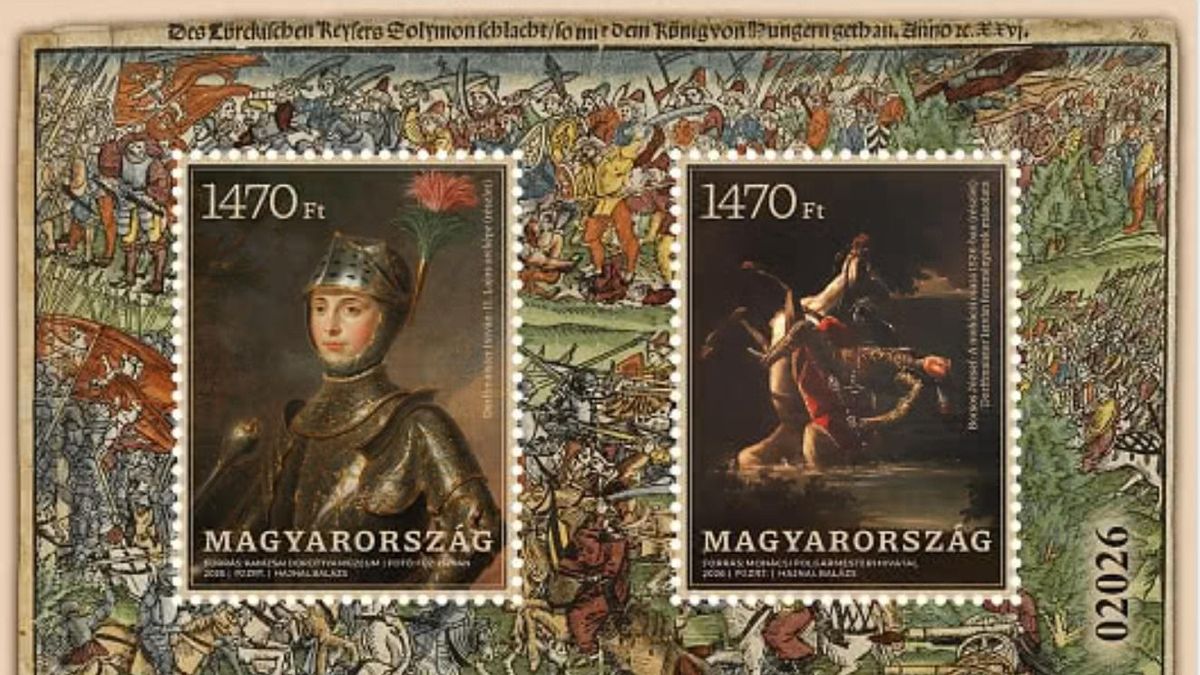
Hungary issues stamp marking 500th anniversary of Battle of Mohács

Lawyer Miklós Ligeti Tackles Issues Uncomfortable for Péter Magyar