

Traveling Where the Press Is Not Free: How to Read the News There

Travelling to a country with a restricted press is not dangerous in itself, but it does change the information environment you will be operating in. Hotel concierges, tourist boards, and even Google results may reflect the curated version of reality that the government prefers.
Before you go
Research the press freedom status of your destination. If it ranks poorly, read reports from Reporters Without Borders or the Committee to Protect Journalists to understand the specific restrictions in place. This helps you interpret the news and information you will encounter during your trip.
On the ground
You may notice that local newspapers and television all carry the same stories and tone. In countries with heavy media control, this uniformity is a feature, not a coincidence. Hotel lobby newspapers, taxi radio stations, and cafe televisions all broadcast the same narrative.
Internet access

Some countries block foreign news websites, social media platforms, or VPN services. Research this before you travel. Having a VPN set up before arrival is easier than trying to configure one after you land in a country that restricts them.
Conversations with locals
Be thoughtful about political conversations. In some countries, expressing criticism of the government can put your conversation partner at risk, not just you. Let locals guide these discussions and respect their boundaries.
Travelling to these countries can be a profound experience precisely because it makes the value of press freedom tangible. When you return home, the free press you take for granted will feel like the extraordinary privilege it actually is.
Related News

Kagama 2026 reunion brings UGM alumni from across generations together

Nepal and Tibet Flood Death Toll Rises Above 1,270
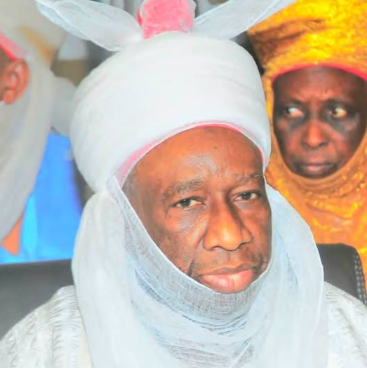
Emir of Gumel Ahmed Sani II dies in Cairo

Romanian firefighter celebrates birthday while battling Serbian wildfires

To keep social assistance from disappearing, Central Java urges residents to update income data


