

The Same Story, Different Countries: How Coverage Changes at the Border

When a major international event occurs, newspapers around the world all cover it, but the stories they tell can be remarkably different. The same trade agreement might be celebrated as an economic breakthrough in one country and condemned as a threat to sovereignty in another. Neither version is necessarily wrong; they are shaped by different interests, histories, and audiences.
Framing is everything
Every editorial decision is a framing choice. Which facts to lead with, which experts to quote, which historical context to include, and what headline to write all shape how readers understand an event. These choices reflect not just the outlet's bias but the entire informational culture of a country.
A practical example

Consider how different countries covered the same climate summit. German outlets might focus on emissions targets and industrial policy. Nigerian papers might emphasise climate financing for developing nations. Pacific Island media might lead with existential threats from rising sea levels. American coverage might frame it as a domestic political issue. Each perspective highlights real and important aspects of the same event.
Why this matters
If you only read one country's coverage of global events, you are getting one set of framing choices presented as the whole story. Reading international coverage does not mean every version is equally accurate, but it reveals which questions your own media is not asking.
How to compare effectively
Pick a major international story and read coverage from three or four countries with different relationships to the event. Notice what each version emphasises and what it leaves out. Over time, this practice builds a more nuanced understanding of how information shapes perception around the world.
Related News
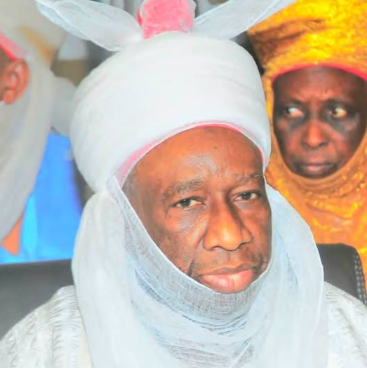
Emir of Gumel Ahmed Sani II dies in Cairo

Adewale Ayuba to release five-track album, ‘Arise’
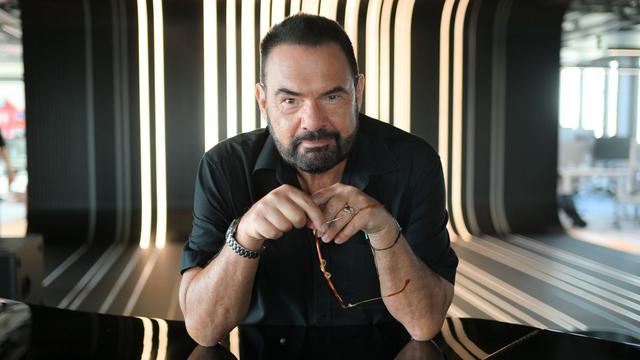
Despite being invited back, Alphaville rejects festival appearance over political statements
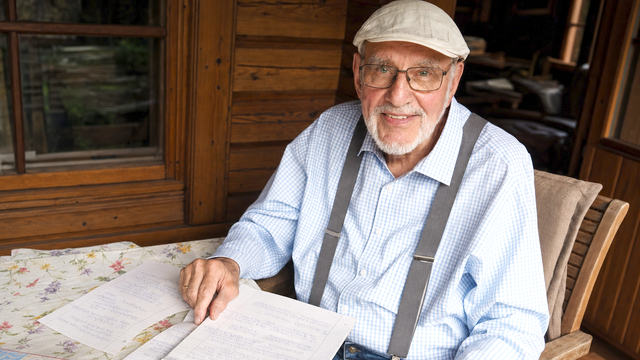
Remembering Nazi Germany: Grandpa takes a stand against the right

Ogogo’s Daughter Mourns Her Father and Wishes He Had Met Her Second Baby


