

1,000 Frailejones Planted in Colombia's Los Nevados National Park for Environment Day
Translated from Spanish, summarized and contextualized by DistantNews.
At a glance
News
Named sources
New plan
- Environmental restoration activities took place in Colombia's Tolima department during World Environment Day commemorations.
- Authorities and residents planted 1,000 frailejones in the Los Nevados National Natural Park and 500 gualanday trees in San Sebastián de Mariquita.
- These efforts aim to protect strategic ecosystems, restore the environment, and raise awareness about preserving natural resources for future generations.
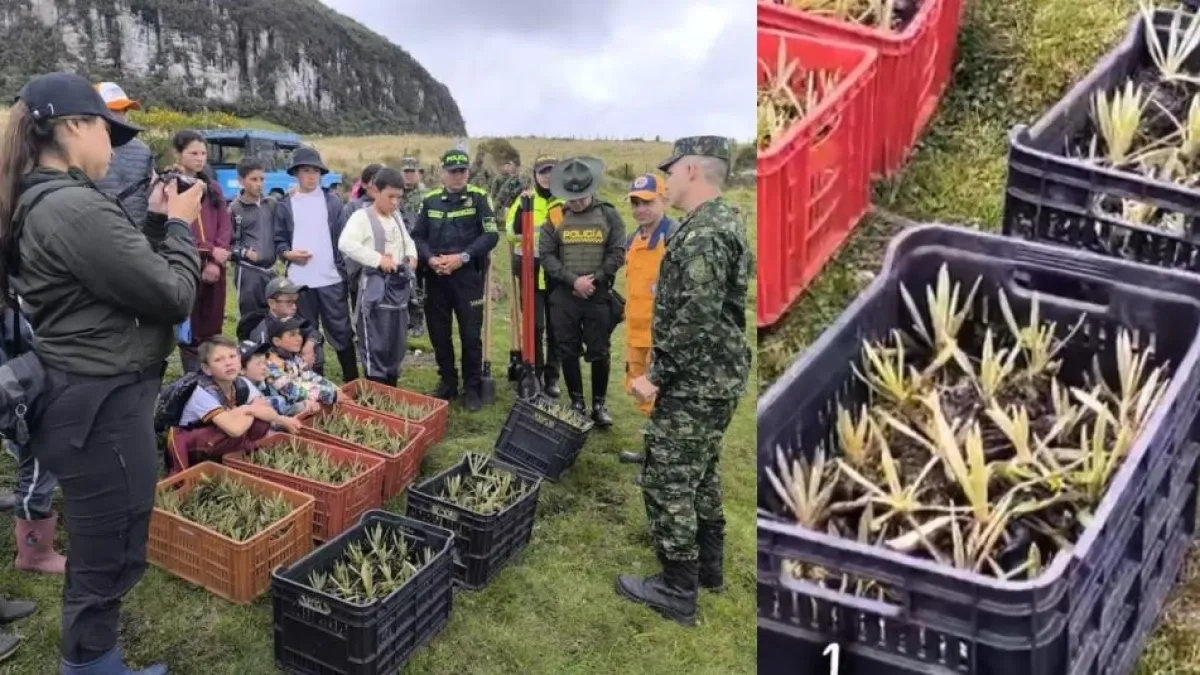
In Colombia's Tolima department, environmental restoration efforts marked World Environment Day with significant planting activities. In Murillo, within the influence area of the Nevado del Ruiz and Los Nevados National Natural Park, 1,000 frailejones were planted. These plants are crucial for conserving páramo ecosystems, regulating water, and protecting water sources vital to local communities.
Simultaneously, in San Sebastián de Mariquita, 500 gualanday trees were planted. This initiative supports environmental recovery and biodiversity conservation in the region. The activities were a collaborative effort involving the National Police, National Army, Civil Defense, local authorities, and community members.
Colonel John Vargas, commander of the Tolima Police, highlighted the significance of these plantings. "Each tree and each frailejón planted represents a concrete action in favor of the environment, life, and the well-being of communities," he stated. The Police emphasized their ongoing commitment to environmental education, restoration, and conservation, fostering collaboration with authorities and citizens to safeguard the department's ecosystems.
These activities reflect the institutional commitment to the preservation of natural resources and the construction of more sustainable environments for future generations. Each tree and each frailejón planted represents a concrete action in favor of the environment, life, and the well-being of communities.
DistantNews Editorial
Originally published by El Tiempo in Spanish. Translated, summarized, and contextualized by our editorial team with added local perspective. Read our editorial standards.
More Stories
From Our Blog

What Gets Lost (and Found) When News Is Translated

The Critical Role of Diaspora Media in Global News

What Travellers Should Know About Countries with Restricted Press

A Digital Nomad's Guide to Following Local News

How the Same Story Looks Different in Different Countries
