


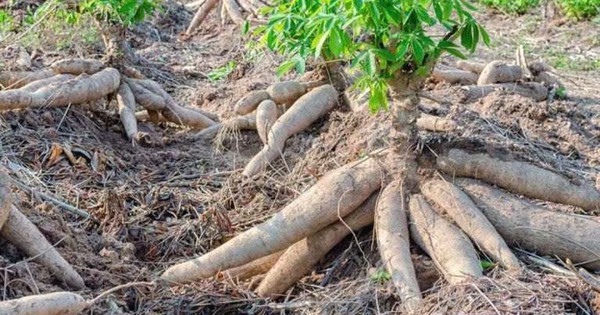
1,001 stories of cassava and ethanol: Memories... of cassava!
Translated from Vietnamese, summarized and contextualized by DistantNews.
At a glance
In-depth
Sources not specified
Context piece
- Cassava, once a staple for survival during times of scarcity in Vietnam, is regaining prominence.
- Introduced to Vietnam less than 200 years ago, cassava has become a vital food source, ranking third after rice and corn.
- Its adaptability and high starch content have made it a resilient crop, crucial for both historical sustenance and modern uses.
Cassava, a crop once primarily known as a "hunger-prevention plant" during Vietnam's periods of hardship, is experiencing a resurgence, evoking memories of its vital role in past survival. During the subsidy era, when rice yields were meager, cassava and sweet potatoes became essential food sources, providing much-needed sustenance for people in both rural and urban areas.
While Vietnam's agricultural identity is deeply rooted in rice cultivation, traditional supplementary crops like potatoes, corn, and water chestnuts have long been part of the diet. Cassava, however, is a more recent arrival, introduced to Vietnam less than two centuries ago. Its journey began in the Amazon basin of South America, traversing African deserts before reaching Southeast Asian islands, with Indonesia being an early adopter in the 16th century. Over time, cassava gradually made its way to Vietnam, proving its resilience and suitability to the tropical climate and the Vietnamese palate due to its high starch content and ease of cultivation.
The crop's widespread acceptance across Southeast Asia, including Vietnam, Thailand, Laos, and Cambodia, stems from its remarkable hardiness and adaptability. Cassava thrives in diverse conditions and can be prepared in numerous ways, making it a versatile ingredient in local cuisines. It has been embraced as a dependable companion through difficult times, providing a reliable food source that can be found in humble kitchens or presented in more sophisticated settings when needed.
Cassava's historical significance in Vietnam is undeniable, having played a crucial role in the nation's sustenance during both wartime and peacetime. Experts recognize it as the third most important food crop after rice and corn. The gratitude for cassava extends beyond mere historical recollection; its widespread availability and adaptability have been instrumental in supporting the population through turbulent periods, contributing to the successful navigation of many challenges.
DistantNews Editorial
Originally published by Thanh Niên in Vietnamese. Translated, summarized, and contextualized by our editorial team with added local perspective. Read our editorial standards.
More Stories



From Our Blog

What Gets Lost (and Found) When News Is Translated

The Critical Role of Diaspora Media in Global News

What Travellers Should Know About Countries with Restricted Press

A Digital Nomad's Guide to Following Local News

How the Same Story Looks Different in Different Countries
