


1,500-year-old bear bones from Gyeongju moat identified as ancestors of modern Asiatic black bears
Translated from Korean, summarized and contextualized by DistantNews.
At a glance
News
Documents & data
Context piece
- DNA analysis confirms that bear bones found in a 1,500-year-old moat in Gyeongju, South Korea, are direct ancestors of today's Asiatic black bears.
- The findings were presented at an international academic conference celebrating the 48th session of the World Heritage Committee in Busan.
- Researchers also analyzed DNA from Silla-era cattle bones and insect wings to reconstruct the ancient environment.
Ancient bear bones discovered in a 1,500-year-old moat at Wolseong Palace in Gyeongju, South Korea, have been identified as direct ancestors of the modern Asiatic black bear, according to genetic analysis. The findings, presented at an international academic conference in Busan, offer a unique glimpse into the region's past wildlife.
The research, led by Han Sang-hyun from the National Park Service, focused on analyzing mitochondrial DNA from 16 bear bone fragments recovered from the moat. Mitochondrial DNA is passed down from mother to offspring, allowing researchers to trace maternal lineage. The analysis conclusively linked these ancient remains to the Ussuri subspecies of the Asiatic black bear, suggesting a continuous presence of the species in the Korean peninsula.
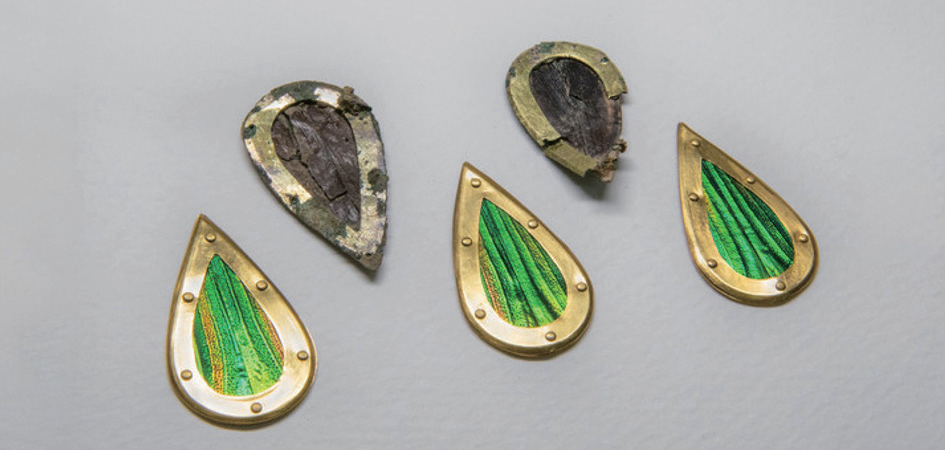
This groundbreaking study was part of a larger academic conference, 'Silla Society Through Genetic Analysis,' held in conjunction with the 48th session of the World Heritage Committee. The conference also delved into other aspects of Silla-era life and environment. Researchers examined DNA from Silla-era cattle bones to understand their bloodlines and analyzed the wing casings of jewel beetles, known from artifacts like a horse saddle decoration, to reconstruct the natural environment of the period.
DistantNews Editorial
Originally published by Dong-A Ilbo in Korean. Translated, summarized, and contextualized by our editorial team with added local perspective. Read our editorial standards.
More Stories


From Our Blog

What Gets Lost (and Found) When News Is Translated

The Critical Role of Diaspora Media in Global News

What Travellers Should Know About Countries with Restricted Press

A Digital Nomad's Guide to Following Local News

How the Same Story Looks Different in Different Countries
