

1.75 Million Elderly People Meet Basic Pension Criteria But Don't Receive It; 'Application System' Cited as Hurdle
Translated from Korean, summarized and contextualized by DistantNews.
At a glance
News
Documents & data
Context piece
- Approximately 1.75 million elderly individuals in South Korea meet the basic income criteria for the basic pension but do not receive it.
- This situation is attributed to factors such as exclusion from occupational pensions, concerns about reduced livelihood benefits, and the 'application-based' system.
- Experts suggest implementing an automatic payment system to address these gaps.
A significant number of elderly South Koreans, estimated at 1.75 million, qualify for the basic pension based on their income and assets but are not receiving it. This figure represents 17% of the total elderly population, highlighting a substantial gap in the social welfare system.
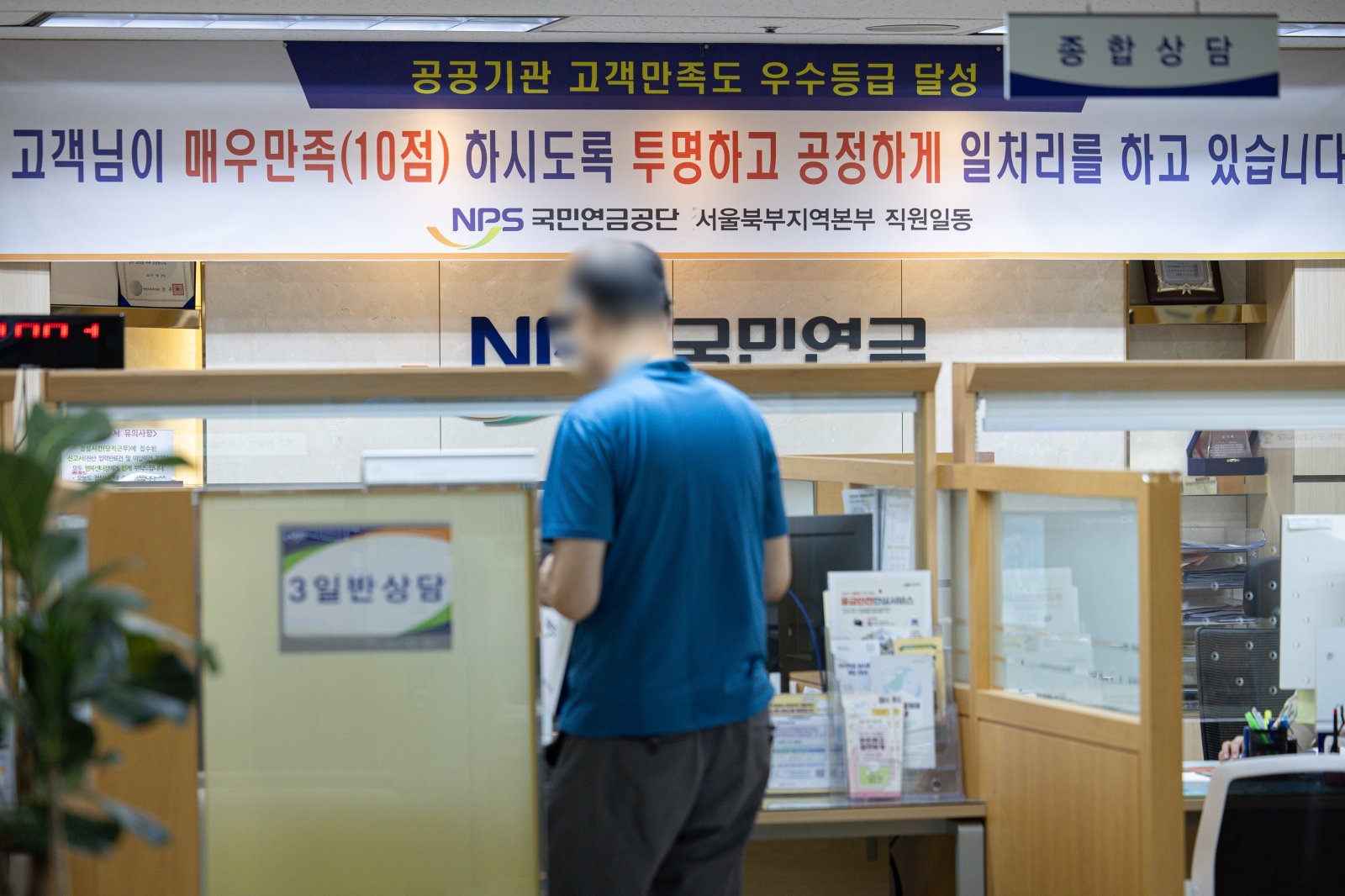
The primary reasons for this non-receipt are multifaceted. A key barrier is the exclusion of individuals receiving occupational pensions, such as those from public service, private school, military, or special postal funds. Despite potentially low overall income, these individuals are largely ineligible for the basic pension under current law, a group numbering over 400,000.
Furthermore, the linkage between the basic pension and the National Basic Livelihood Security system creates a disincentive for some. If an elderly person receives the basic pension, their livelihood benefits may be reduced or they could lose eligibility altogether. This 'take-away-then-give-back' dynamic leads many to forgo applying for the basic pension, as the net financial gain is minimal.
Vulnerable groups, including those with mobility issues or limited access to information, also fall through the cracks. An estimated 64,000 elderly individuals with disabilities who are not receiving basic livelihood benefits are not receiving the basic pension. Additionally, 105,000 elderly individuals who have received long-term care ratings have also failed to apply.
Researchers suggest that simply raising the income threshold for the basic pension will not suffice to reach the target coverage rate of 70%. They advocate for a more comprehensive approach, including measures to support low-income occupational pension recipients, reforming the benefit reduction system linked to livelihood security, and proactively identifying and automatically enrolling vulnerable individuals like those with disabilities or requiring long-term care.
DistantNews Editorial
Originally published by Dong-A Ilbo in Korean. Translated, summarized, and contextualized by our editorial team with added local perspective. Read our editorial standards.
More Stories

From Our Blog

What Gets Lost (and Found) When News Is Translated

The Critical Role of Diaspora Media in Global News

What Travellers Should Know About Countries with Restricted Press

A Digital Nomad's Guide to Following Local News

How the Same Story Looks Different in Different Countries
