


10 ways AI has changed everyday life
Translated from English and summarized by DistantNews. Read the original for the full story.
At a glance
In-depth
Sources not specified
Context piece
- AI now helps users brainstorm ideas for events, content, businesses and creative projects.
- Image tools can redesign rooms, remove unwanted people, improve lighting and restore old photographs.
- AI-generated characters, videos and stories have expanded digital entertainment, while accessibility tools assist people with disabilities.
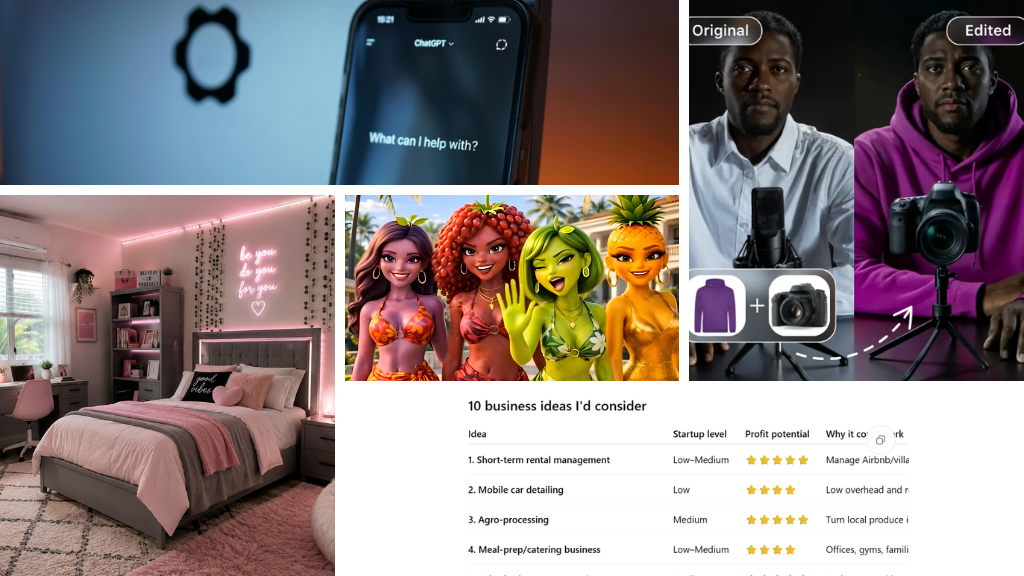
Artificial intelligence has become an everyday creative tool, helping people move from rough ideas to finished images, stories and digital content with only a few prompts.
The technology can act as a brainstorming partner for birthday plans, business ideas, campaigns, gifts and creative problems. It can also turn a photograph of an empty room into a proposed bedroom, office or event space, allowing users to visualize designs before committing to renovations.
AI photo-editing tools offer another practical use. They can remove unwanted people from backgrounds, correct lighting, improve image quality and restore old family photographs. Tasks that once demanded advanced editing skills can now take only a few taps on a phone.
The technology has also fueled a new form of digital storytelling. AI-generated fruits and vegetables have become animated personalities in viral videos, while creators use AI for children’s books, short films and social-media content. The result can seem strange, but it has also become entertaining enough to keep audiences watching.
For people with disabilities, the article highlights a more consequential use of AI. Tools can describe images, read documents aloud, identify objects and provide information about surrounding spaces for blind or visually impaired users. Voice recognition, translation tools and smart assistants can also make communication and interaction with technology easier.
About this summary
Originally published by Jamaica Observer in English. Translated, summarized, and contextualized automatically by DistantNews, with a note on how the source frames the story. Not individually reviewed before publishing. How this works.
More Stories



From Our Blog

What Gets Lost (and Found) When News Is Translated

The Critical Role of Diaspora Media in Global News

What Travellers Should Know About Countries with Restricted Press

A Digital Nomad's Guide to Following Local News

How the Same Story Looks Different in Different Countries
