

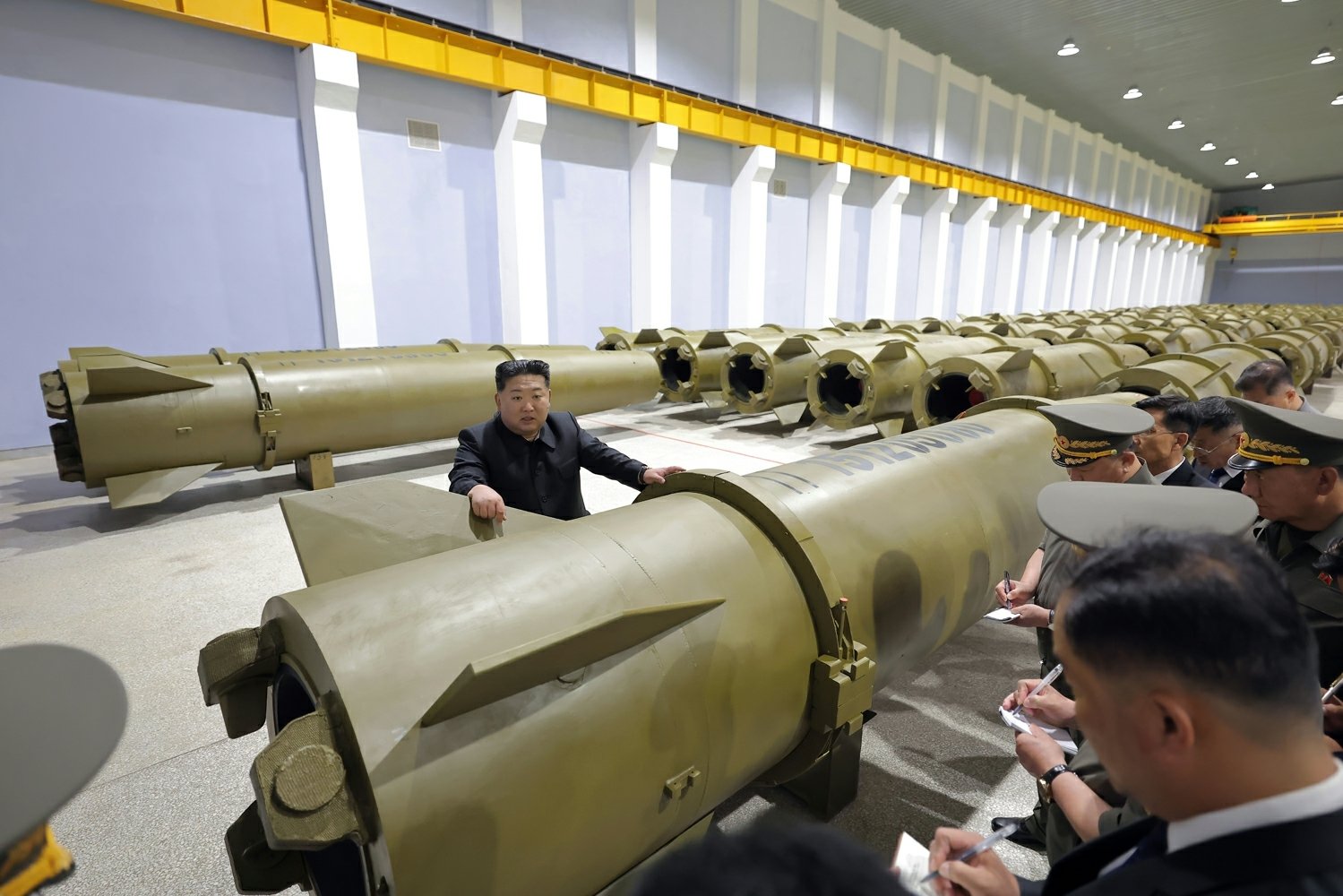

100 Days into Iran Operation, U.S. Faces Stalemate Amidst Escalating Tensions
Translated from Korean, summarized and contextualized by DistantNews.
At a glance
News
Sources not specified
Ongoing story
- The military operation led by the United States and Israel against Iran has reached its 100th day, with no clear exit strategy for the U.S.
- The blockade of the Strait of Hormuz, impacting the global economy, remains unresolved.
- The fragile ceasefire has been broken by armed clashes between both sides, leading to a stalemate where both nations engage in localized attacks.
The military operation initiated by the United States and Israel against Iran on February 28 has now entered its 100th day, marked by a deepening stalemate and a lack of a clear exit strategy for the U.S. The ongoing conflict continues to exert pressure on the global economy, particularly through the unresolved blockade of the Strait of Hormuz.
What began as a tense standoff has escalated into direct armed conflict, shattering the fragile ceasefire that had been in place. Both the U.S. and Iran are engaging in localized strikes, with Iran utilizing drones and the U.S. seemingly hesitant to commit ground troops. This tit-for-tat exchange places the situation precariously on the edge between further escalation and a potential de-escalation.
The strategic importance of the Strait of Hormuz, a vital chokepoint for global oil transport, means that its continued closure has far-reaching economic consequences. The inability of the involved parties to resolve this issue, coupled with the ongoing military exchanges, suggests a prolonged period of instability in the region.
DistantNews Editorial
Originally published by Chosun Ilbo in Korean. Translated, summarized, and contextualized by our editorial team with added local perspective. Read our editorial standards.
More Stories


From Our Blog

What Gets Lost (and Found) When News Is Translated

The Critical Role of Diaspora Media in Global News

What Travellers Should Know About Countries with Restricted Press

A Digital Nomad's Guide to Following Local News

How the Same Story Looks Different in Different Countries
