


11,700 New Residency Violators in Kuwait During 2025; Total Valid Permits Hit 3.16 Million
Summarized and contextualized by DistantNews.
At a glance
News
Documents & data
Outcome reported
- Kuwait saw a rise in new residency violations in 2025, reaching 11,700 cases, an increase of 1,000 from the previous year.
- Despite the increase in new violations, the total number of residency violators in Kuwait continued to decrease, falling to 80,800 in 2025.
- Kuwait's resident population grew to 3.166 million by the end of 2025, with private-sector work permits being the largest category.
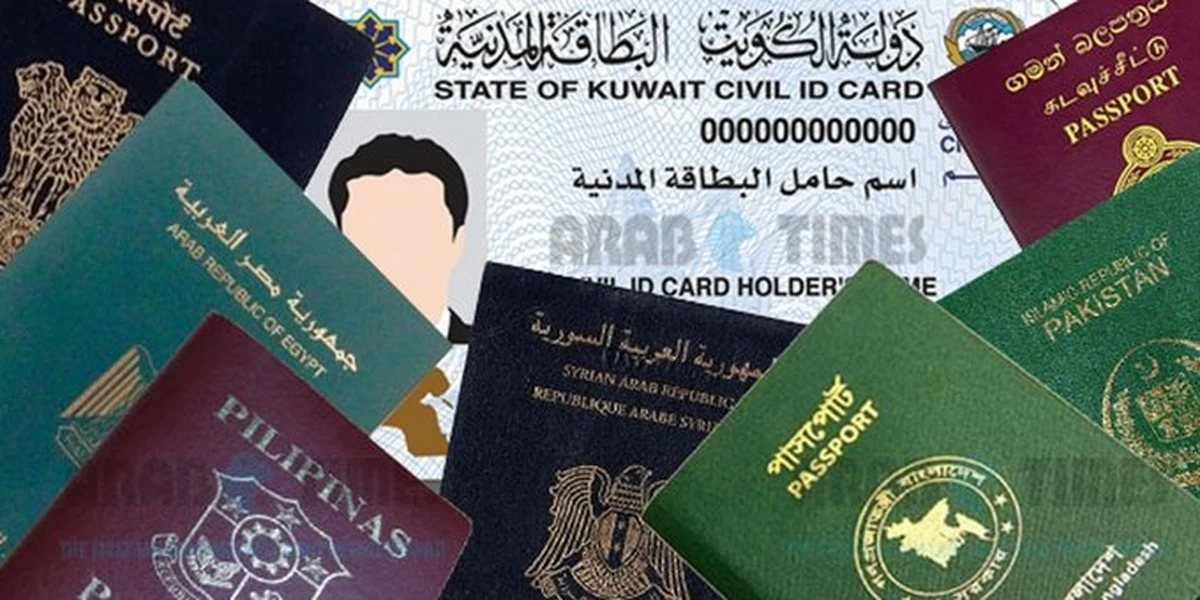
Kuwait recorded 11,700 new residency violations in 2025, a notable increase of 1,000 cases compared to the 10,700 violations in 2024. This rise occurred even as the overall number of residency violators in the country continued its downward trend, settling at 80,800 in 2025, down from 81,500 the previous year. These statistics from the Central Statistical Bureau (CSB) suggest a dual focus by authorities: addressing existing residency violations while simultaneously identifying new offenses.
The overall resident population in Kuwait experienced significant growth, reaching approximately 3.166 million valid residency permits by the close of 2025. This represents an increase of 142,000 permits from 2024, marking a 4.7 percent annual growth rate. This expansion was largely fueled by an increase in private-sector work permits. The number of cancelled residency permits also saw a decline, with 47,200 cancellations in 2025, a decrease of 2,500 from the year prior. This downward trend in cancellations follows a larger figure of 57,100 in 2023.
Private-sector work permits, issued under Article 18, continue to form the largest segment of residency permits, accounting for 1.66 million, or 52.6 percent, of the total. Domestic worker permits under Article 20 followed, with 773,300 permits (24.4 percent), and family reunification permits under Article 22 numbered 566,600 (17.9 percent). Government employee permits (Article 17) also saw an increase, reaching 101,600.
Non-Arab Asian nationals remain the dominant expatriate group in Kuwait, with their residency permits growing to around 2.03 million in 2025. Residents from non-Arab African countries exhibited the fastest growth rate, more than doubling from 31,900 to 68,500 between 2022 and 2025. The majority of new residency violations in 2025 were linked to private-sector workers (Article 18), with 4,300 violations, followed closely by temporary residency holders (Article 14) with 4,100 violations.
The figures indicate that authorities continued efforts to resolve the status of existing violators while simultaneously detecting new residency offenses.
DistantNews Editorial
Originally published by Arab Times. Summarized and contextualized by our editorial team with added local perspective. Read our editorial standards.
More Stories



From Our Blog

What Gets Lost (and Found) When News Is Translated

The Critical Role of Diaspora Media in Global News

What Travellers Should Know About Countries with Restricted Press

A Digital Nomad's Guide to Following Local News

How the Same Story Looks Different in Different Countries
