


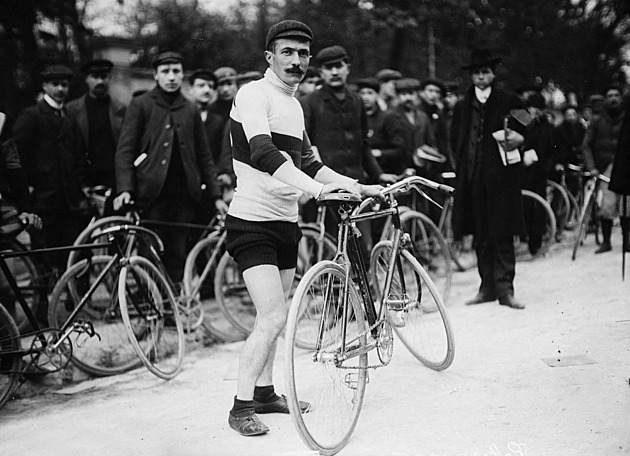
120 years ago on the Tour: No gears, wine, cocaine, and a winner's suicide
Translated from Czech, summarized and contextualized by DistantNews.
At a glance
In-depth
Sources not specified
Context piece
- A look back at the 1904 Tour de France highlights its stark differences from the modern race.
- Riders then competed on heavy bikes without gears, facing stages over 400 kilometers long.
- The article poses a hypothetical: how would today's stars fare under those conditions, which included drinking beer and wine during the race.
Imagine Tadej Pogačar, one of cycling's modern titans, competing in the Tour de France 120 years ago. The contrast is stark. The 1904 race demanded a level of grit and endurance unimaginable today, stripping away the technological advantages that define contemporary professional cycling.
Back then, riders battled on bikes weighing around 11 kilograms, a hefty burden without the luxury of derailleurs or multiple gears. Stages routinely stretched over 400 kilometers, testing the limits of human endurance. Furthermore, mechanical support was minimal; riders were expected to perform their own repairs, including fixing flat tires, without assistance from support vehicles.
The article provocatively asks how today's stars would cope with such primitive conditions. It paints a picture of a race where riders might fuel themselves with beer and wine during stages, a far cry from the carefully calibrated nutrition plans of modern athletes. This historical perspective serves as a fascinating counterpoint to the highly optimized and technologically advanced sport we see today.
DistantNews Editorial
Originally published by iDNES in Czech. Translated, summarized, and contextualized by our editorial team with added local perspective. Read our editorial standards.
More Stories

From Our Blog

What Gets Lost (and Found) When News Is Translated

The Critical Role of Diaspora Media in Global News

What Travellers Should Know About Countries with Restricted Press

A Digital Nomad's Guide to Following Local News

How the Same Story Looks Different in Different Countries
