


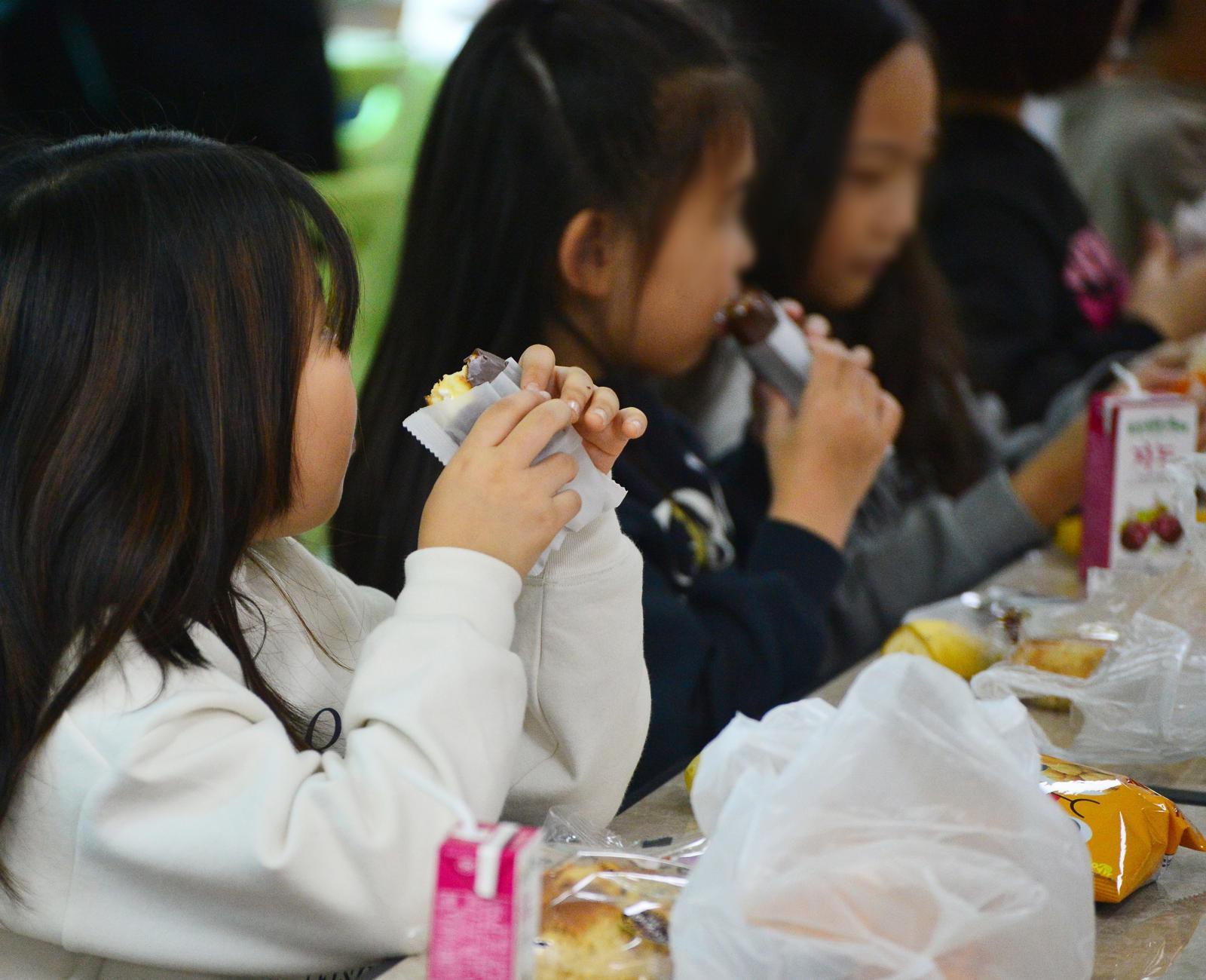
13% of S. Korean Teens Eat With Parents Less Than 4 Times Weekly: Study
Translated from Korean and summarized by DistantNews. Read the original for the full story.
At a glance
News
Documents & data
Context piece
- A study found that 13% of South Korean adolescents eat with their parents fewer than four times a week.
- The research, using data from 2019-2023, linked more frequent family meals to lower stress, depression, and anxiety.
- The findings suggest that social conditions enabling family meals are crucial for adolescent mental health.
A significant portion of South Korean adolescents, approximately 13%, report eating with their parents less than four times a week, according to a recent study. The research, which analyzed data from the National Youth Health Panel Survey conducted between 2019 and 2023, highlights a potential link between family meal frequency and adolescent mental well-being.
The study, published by the Korea Disease Control and Prevention Agency (KDCA), found a notable correlation: for every additional meal eaten with parents per week, adolescents experienced a significant decrease in stress, depression, and anxiety. Specifically, stress levels dropped by 12%, depression by 9%, and anxiety by 8% with each increased family meal.
Adolescents who dined with their parents less than once a week were more likely to come from high-income households and dual-income families. They also reported higher stress levels during early adolescence, lower family harmony, and a greater likelihood of having experienced alcohol consumption. Researchers suggest that regular family meals provide a consistent opportunity for parent-child interaction, allowing adolescents to express stress related to academics, peer relationships, and future concerns.
This interaction enables parents to recognize changes in their children early and offer emotional support, acting as a protective factor against stress, depression, and anxiety in later adolescence. The study also points to broader societal factors, such as parental working hours, household schedules, academic pressures, and community environments, as influencers of family meal frequency. The researchers advocate for examining these social conditions alongside family dynamics to promote adolescent mental health.
About this summary
Originally published by Dong-A Ilbo in Korean. Translated, summarized, and contextualized automatically by DistantNews, with a note on how the source frames the story. Not individually reviewed before publishing. How this works.
More Stories


From Our Blog

What Gets Lost (and Found) When News Is Translated

The Critical Role of Diaspora Media in Global News

What Travellers Should Know About Countries with Restricted Press

A Digital Nomad's Guide to Following Local News

How the Same Story Looks Different in Different Countries
