


150 Years of Festivals: Listening to Wagner - Is It Permissible?
Translated from German, summarized and contextualized by DistantNews.
At a glance
News
Sources not specified
Ongoing story
- The Bayreuth Festival is celebrating its 150th anniversary, but faces controversy over its historical ties to Nazism and Richard Wagner's antisemitism.
- A planned speech by Jewish publicist Michel Friedman was initially canceled but reinstated after public outcry.
- Experts and Friedman argue that the festival's past, including Hitler's patronage and Wagner's hateful views, has not been adequately addressed, leaving the "ground in Bayreuth contaminated."
The Bayreuth Festival, a renowned celebration of Richard Wagner's operas, is marking its 150th anniversary amidst a complex and controversial historical reckoning. The festival, held at the Bayreuth Festspielhaus, is grappling with its deep entanglement with Nazism and the persistent legacy of Wagner's virulent antisemitism.
During the long intermissions between opera acts, attendees can visit an outdoor exhibition titled "Silenced Voices," which commemorates Jewish artists and contributors who were persecuted and murdered during the Nazi era. This exhibition underscores that the past remains a palpable presence at the Green Hill, with many of its chapters shrouded in darkness. The ongoing debate surrounding a commemorative event for the festival's jubilee highlights the difficulty in fully escaping these shadows.
The ground in Bayreuth is contaminated. Wagner spread the poison, in the thirties it was driven even deeper into the ground in Bayreuth, and nothing has been cleaned up since the founding of the Federal Republic of Germany.
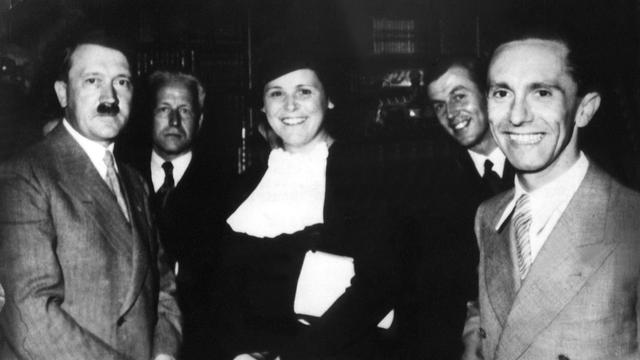
Richard Wagner, the festival's namesake composer, harbored deeply antisemitic views, and research is ongoing into whether these sentiments are reflected in his works. Theater and musicologist Anno Mungen is convinced that Wagner's antisemitism is indeed present in his compositions, citing the "Ring" cycle as an example. The festival itself became a focal point for nationalist and populist ideology, with Adolf Hitler being a frequent and welcomed guest of the Wagner family, illustrating the close ties between the festival and the Nazi regime.
The claim to process the past has not been fulfilled by Katharina Wagner herself. The processing of the past in Bayreuth began very late anyway, much later than in other areas of the Federal Republic.
Against this backdrop, a critical question arises: Is it appropriate to celebrate the festival's anniversary and listen to Wagner's music with uncritical admiration, given this historical context? Jewish publicist Michel Friedman is expected to offer his perspective in a speech on July 26 at the Festspielhaus. His address was initially canceled due to security concerns but was reinstated after a significant public outcry. Friedman has starkly described the situation, telling the "SZ" newspaper, "The ground in Bayreuth is contaminated. Wagner spread the poison, in the thirties it was driven even deeper into the ground in Bayreuth, and nothing has been cleaned up since the founding of the Federal Republic of Germany."
Bernd Buchner, author of "Wagner's World Theater," contends that Festival director Katharina Wagner has not fulfilled the aspiration of confronting the past. He notes that the process of addressing Bayreuth's history began very late compared to other areas of post-war Germany, with a prolonged period of repression and an "inability, bordering on negligence," to deal with the past constructively. Buchner suggests that the crucial impetus for confronting this history has largely come from academic circles rather than from the festival itself.
It was always a certain passivity or a certain inability, bordering on negligence, on the part of the festival, to deal reasonably with the past.
DistantNews Editorial
Originally published by Die Zeit in German. Translated, summarized, and contextualized by our editorial team with added local perspective. Read our editorial standards.
More Stories



From Our Blog

What Gets Lost (and Found) When News Is Translated

How the Same Story Looks Different in Different Countries

The Critical Role of Diaspora Media in Global News

What Travellers Should Know About Countries with Restricted Press

A Digital Nomad's Guide to Following Local News
