


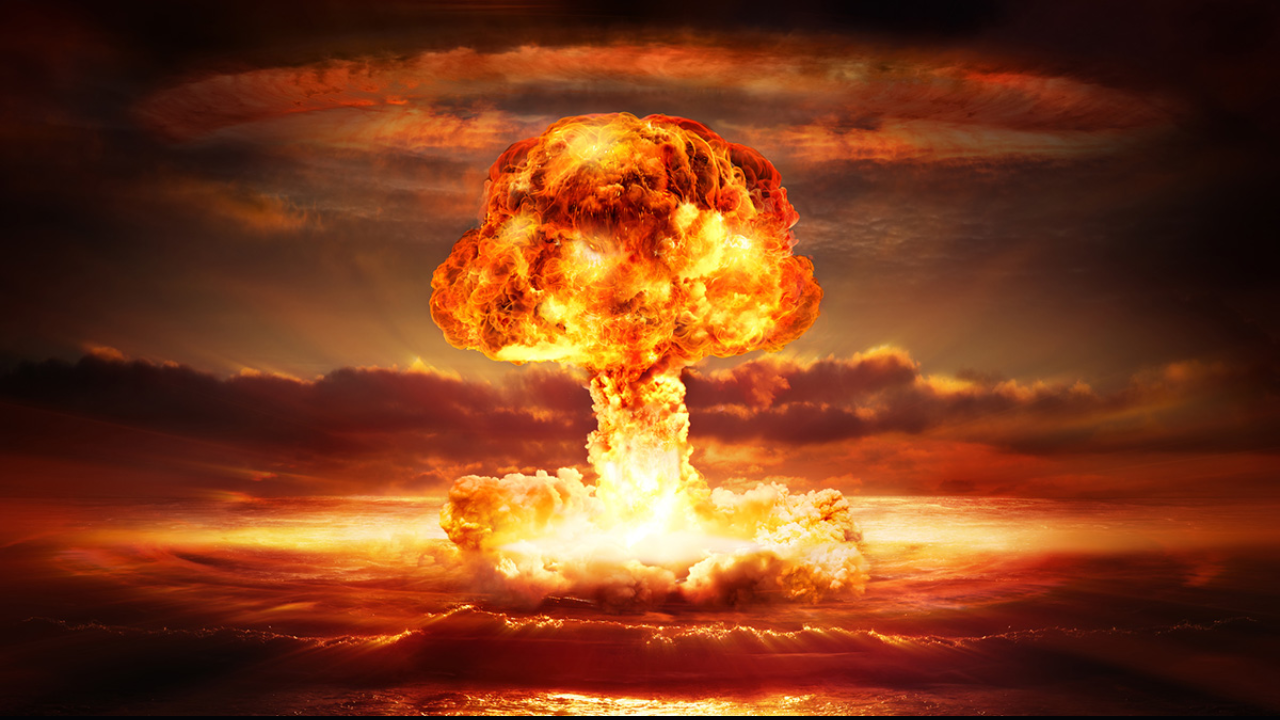
1958, the US secretly detonated 3 nuclear devices 100–500 km above the South Atlantic
Summarized and contextualized by DistantNews.
At a glance
News
Sources not specified
New plan
- In August and September 1958, the United States secretly conducted Operation Argus, detonating three nuclear devices high above the South Atlantic Ocean.
- The tests created artificial auroras and temporary radiation belts around Earth, intended to study the effects of high-altitude explosions.
- The goal was to investigate if such explosions could create a radiation barrier to disrupt Soviet missiles or radar systems.
In a clandestine operation during the Cold War, the United States military detonated three nuclear devices in the upper atmosphere over the South Atlantic Ocean in August and September 1958. Codenamed Operation Argus, the tests involved launching low-yield nuclear warheads between 100 and 500 kilometers into space.
The explosions generated artificial auroras visible in the night sky and formed temporary radiation belts around the Earth that persisted for weeks. These effects were studied using the Explorer 4 satellite, which had been launched shortly before the tests. Data confirmed the creation of artificial electron belts, which gradually dissipated into the upper atmosphere.
He believed that detonating nuclear weapons above the atmosphere would release high-energy electrons that could become trapped by the Earth’s magnetic field.
The operation was based on a theory by physicist Nicholas Christofilos. He proposed that detonating nuclear weapons above the atmosphere would release high-energy electrons. These electrons could then become trapped by the Earth's magnetic field, forming a shell or artificial radiation barrier. Military planners hoped this barrier could potentially damage the guidance systems of incoming Soviet intercontinental ballistic missiles or interfere with radar during a nuclear conflict.
To execute Operation Argus, the U.S. Navy assembled Task Force 88, a secret fleet of nine ships. Operating in a region of the South Atlantic known for its unusually weak magnetic field, the South Atlantic Anomaly, the fleet launched modified rockets carrying the nuclear warheads. The first detonation, Argus I, occurred on August 27 at an altitude of approximately 200 kilometers, followed by Argus II on August 30 at 256 kilometers, and Argus III on September 6, reaching an altitude of 539 kilometers. For many years, the final launch remained the highest-altitude nuclear explosion conducted by the United States.
Military planners hoped such a high-altitude radiation belt could damage the guidance electronics of incoming Soviet intercontinental ballistic missiles or interfere with radar systems during a nuclear war.
DistantNews Editorial
Originally published by Times of India. Summarized and contextualized by our editorial team with added local perspective. Read our editorial standards.
More Stories



From Our Blog

What Press Freedom Means for the News You Read

What Gets Lost (and Found) When News Is Translated

The Critical Role of Diaspora Media in Global News

What Travellers Should Know About Countries with Restricted Press

A Digital Nomad's Guide to Following Local News
