

1970 World Cup: Pelé's flawless return, Telstar, and Brazil's legendary victory
Translated from Turkish, summarized and contextualized by DistantNews.
At a glance
In-depth
Sources not specified
Context piece
- The 1970 Mexico World Cup was a visual spectacle, marked by the introduction of color television and the iconic Telstar ball.
- Innovations like yellow and red cards and player substitutions were first implemented, changing the game's dynamics.
- The tournament featured legendary moments, including the "Match of the Century" and Pelé's triumphant return with Brazil's iconic victory.
The 1970 Mexico World Cup stands as a landmark event in football history, transforming the sport into a global visual feast. This tournament not only showcased epic on-field battles but also explored football's societal impact, the influence of television, and the legendary status of Brazil's squad.
A significant off-field event was the "Football War" between El Salvador and Honduras, sparked by political and social tensions exacerbated by the World Cup qualifying matches. This conflict highlighted football's power to mobilize masses, serving as a dark backdrop to the tournament.
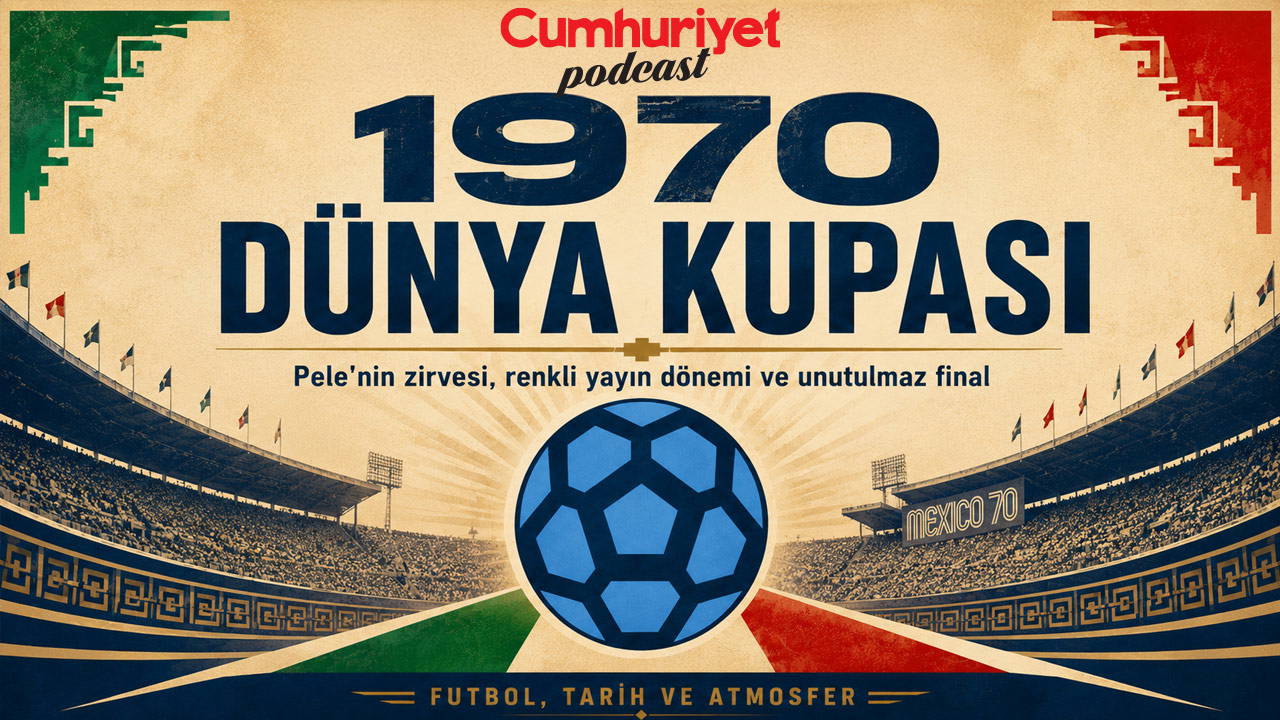
Visually, the 1970 World Cup was revolutionary. Broadcast in color, it reached a wider audience than ever before. The Adidas Telstar ball, with its distinctive black-and-white panels designed for better television visibility, became an enduring symbol of the era and a World Cup icon.
Rule changes also defined the 1970 tournament. The introduction of yellow and red cards addressed communication issues from previous tournaments, creating a more universal language for the game. Player substitutions were also officially implemented, increasing the strategic influence of coaches during matches.
The semi-final clash between Italy and West Germany, dubbed the "Match of the Century," delivered an unforgettable dramatic spectacle. After a 1-1 draw in regular time, the extra period saw five goals, with Italy ultimately prevailing 4-3 to reach the final. This legendary match is commemorated with a special plaque at the stadium where it was played.
Pelé, having faced harsh tackles and disappointment in the 1966 World Cup, considered retiring from the tournament. However, he returned in 1970 with the Brazilian national team, alongside stars like Jairzinho and Rivelino, to achieve an eternal victory and cement their place in football history.
DistantNews Editorial
Originally published by Cumhuriyet in Turkish. Translated, summarized, and contextualized by our editorial team with added local perspective. Read our editorial standards.
More Stories



From Our Blog

What Gets Lost (and Found) When News Is Translated

The Critical Role of Diaspora Media in Global News

What Travellers Should Know About Countries with Restricted Press

A Digital Nomad's Guide to Following Local News

How the Same Story Looks Different in Different Countries
