


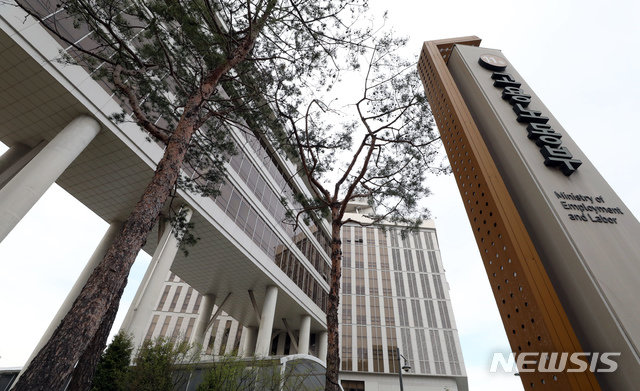
200 public sector organizations inspected for '364-day contracts' to avoid severance pay
Translated from Korean, summarized and contextualized by DistantNews.
At a glance
News
Named sources
Context piece
- South Korea's Ministry of Employment and Labor is conducting a concentrated inspection of 200 public sector organizations to address unfair employment practices, such as '364-day contracts' to avoid severance pay.
- The inspection scope has expanded from local governments to include public institutions, local public enterprises, and contracted organizations.
- The ministry is also increasing legal education for public officials and will provide tailored training for institutions with identified issues.
South Korea's Ministry of Employment and Labor is launching a rigorous inspection of 200 public sector entities to rectify exploitative employment practices, notably the use of '364-day contracts' designed to circumvent severance pay obligations. This initiative marks an expansion from previous oversight, now encompassing public institutions, local public enterprises, and organizations contracted by local governments.
The ministry will conduct intensive supervision over the next two months, focusing on compliance with labor laws for non-regular workers. This move follows the ministry's April announcement of measures to improve the treatment of non-regular workers in the public sector, including the launch of an online consultation center. The current inspection is the second phase, following an initial review of 30 local governments where 113 labor law violations were identified and subsequently rectified.
The public sector must take the lead in establishing fair employment practices as a model employer. If the public sector changes, we can demand change from the private sector.
The targeted institutions include 47 public institutions, 37 local public enterprises, 40 entities funded by local governments, 20 local governments themselves, three subsidiaries, two central government departments, one educational institution, and 50 contracted service providers. Selection criteria prioritized organizations flagged through online consultations, media reports, and those identified in a February-March survey as having a high proportion of workers on contracts shorter than 11 months.
The ministry plans to closely examine the implementation of guidelines for improving non-regular worker treatment and pre-hiring review processes. Violations of labor laws, including contract terms, wage arrears, and working hours, will be strictly addressed. To prevent future non-compliance, the ministry is enhancing legal education, expanding training sessions for public officials from seven to 13 times annually, and offering specialized training for institutions requiring improvement. Labor Minister Kim Young-hoon stressed the public sector's role as a model employer, advocating for fair practices to inspire change across the private sector.
Through this inspection, we will establish the public sector as a standard for workplaces where labor values are respected and everyone can work happily.
DistantNews Editorial
Originally published by Dong-A Ilbo in Korean. Translated, summarized, and contextualized by our editorial team with added local perspective. Read our editorial standards.
More Stories


From Our Blog

What Gets Lost (and Found) When News Is Translated

The Critical Role of Diaspora Media in Global News

What Travellers Should Know About Countries with Restricted Press

A Digital Nomad's Guide to Following Local News

How the Same Story Looks Different in Different Countries
