

2026 World Cup: Cempasúchil flowers arrive at Cibeles Fountain, drawing attention from tourists and locals
Translated from Spanish, summarized and contextualized by DistantNews.
At a glance
News
Named sources
New plan
- Cempasúchil flowers, traditionally associated with Mexico's Day of the Dead, have been planted around the Cibeles Fountain in Mexico City.
- This unusual early planting, about five months before the traditional season, is part of preparations to welcome tourists for the 2026 World Cup.
- The initiative aims to share the Day of the Dead tradition with international visitors during the global sporting event.
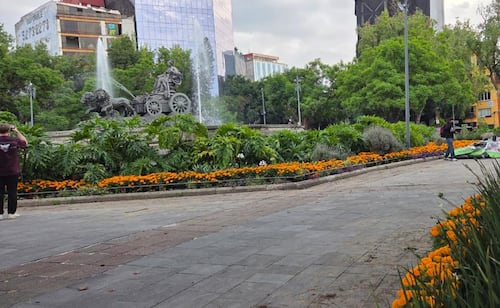
In a move to welcome visitors for the 2026 World Cup, Mexico City is embracing its cultural traditions early, with the iconic cempasúchil flowers, a hallmark of the Day of the Dead celebration, now adorning the Cibeles Fountain.
Personnel from the government have planted these vibrant orange flowers in the garden beds surrounding the fountain, a replica of the one in Madrid, Spain. The striking orange of the cempasúchil contrasts with the other colorful flowers already decorating the area. Tourists and locals alike have been drawn to the display, taking photographs of both the fountain and the unexpected floral arrangement.
This early planting, occurring approximately five months before the usual Day of the Dead season, is a strategic effort to prepare for the influx of thousands of tourists expected for the World Cup's opening events. Julia Álvarez Icaza, the Secretary of Environment, explained that for the first time, producers from Xochimilco have advanced their harvest.
The intention behind this initiative is to share the rich tradition of the Day of the Dead with international visitors. The government is also undertaking other beautification projects, such as transforming the entrance to Cuautepec with a new Monumental Eagle and a secure pathway, aiming to present a welcoming face of the city to the world.
for the first time in history, producers from Xochimilco have advanced the harvest of this flower, with the intention of sharing the tradition of the Day of the Dead with those who come to visit the city.
DistantNews Editorial
Originally published by El Universal in Spanish. Translated, summarized, and contextualized by our editorial team with added local perspective. Read our editorial standards.
More Stories



From Our Blog

What Press Freedom Means for the News You Read

What Gets Lost (and Found) When News Is Translated

The Critical Role of Diaspora Media in Global News

What Travellers Should Know About Countries with Restricted Press

A Digital Nomad's Guide to Following Local News
