

2026 World Cup: How much money will teams that don't advance past the group stage earn?
Translated from Spanish, summarized and contextualized by DistantNews.
At a glance
News
Named sources
Context piece
- The 2026 World Cup will feature an increased prize pool of $871 million, distributed among all 48 participating teams.
- Teams eliminated in the group stage will receive $9 million, while the winner will take home $50 million.
- This prize money increase signifies substantial commercial growth for the tournament, surpassing the 2022 Qatar World Cup's budget by 50%.
The 2026 World Cup is set to be the most lucrative in history, with FIFA allocating a record $871 million in prize money. This substantial increase, a 50% rise from the 2022 tournament in Qatar, reflects significant commercial growth for the event.
this year elevates its total prize fund to US$871 million, an amount that will be distributed among the 48 classified teams, including those that are eliminated in the first phase of this World Cup.
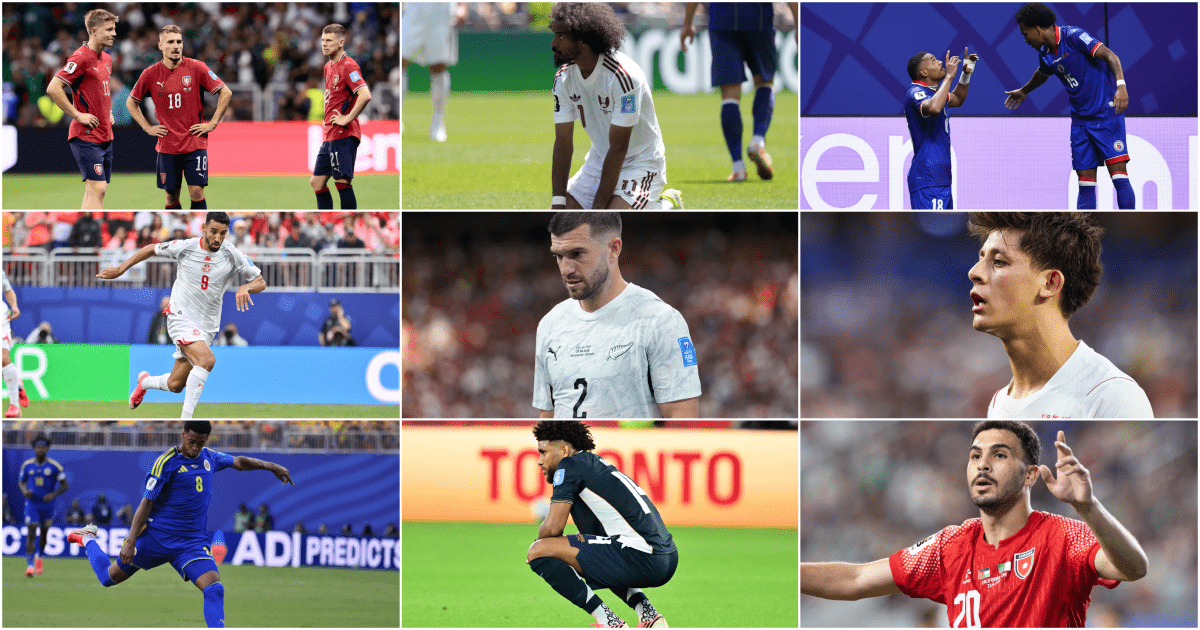
All 48 participating teams will receive a share of the prize fund. Even teams eliminated in the group stage, such as Haiti and Tunisia who lost all their matches, will receive $9 million. This amount is intended to cover preparation expenses.
This figure reflects a significant commercial growth and exceeds the budget of the Qatar 2022 edition by 50%.
The tournament's financial structure ensures escalating rewards for teams advancing further. The champion will receive $50 million, an $8 million increase from the $42 million awarded to Argentina in 2022. The runner-up will get $33 million, with third and fourth place teams earning $29 million and $27 million, respectively. Teams exiting in the quarterfinals will receive $19 million, those eliminated in the round of 16 will get $15 million, and teams reaching the round of 32 will secure $11 million.
the champion of the 2026 World Cup will receive US$50 million, an increase of US$8 million compared to the US$42 million that the Argentine team received for winning the Qatar 2022 World Cup.
DistantNews Editorial
Originally published by Prensa Libre in Spanish. Translated, summarized, and contextualized by our editorial team with added local perspective. Read our editorial standards.
More Stories
From Our Blog

What Gets Lost (and Found) When News Is Translated

The Critical Role of Diaspora Media in Global News

What Travellers Should Know About Countries with Restricted Press

A Digital Nomad's Guide to Following Local News

How the Same Story Looks Different in Different Countries
