

2026 World Cup Hydration Breaks: Expert Explains Risks and Benefits
Translated from Spanish, summarized and contextualized by DistantNews.
At a glance
News
Named sources
Context piece
- Sports medicine expert Jorge Franchella explained the physiological purpose and risks of "hydration breaks" and cooling vests used in the 2026 World Cup.
- He emphasized the importance of proactive hydration, especially for young athletes, and the need for controlled cooling methods to prevent muscle injuries.
- Franchella cautioned against abrupt temperature changes, like cold showers, due to potential cardiovascular risks, highlighting the controlled nature of the cooling vests.
As the 2026 World Cup incorporates "hydration breaks" and cooling vests, sports medicine specialist Jorge Franchella has detailed their physiological benefits and potential risks. These measures aim to help athletes manage exertion in high temperatures, a critical factor in modern sports.
When we lose a liter of water through perspiration, we don't perceive it and we don't feel thirsty yet. That's why children need to be told and they need to drink without feeling that sensation of thirst.
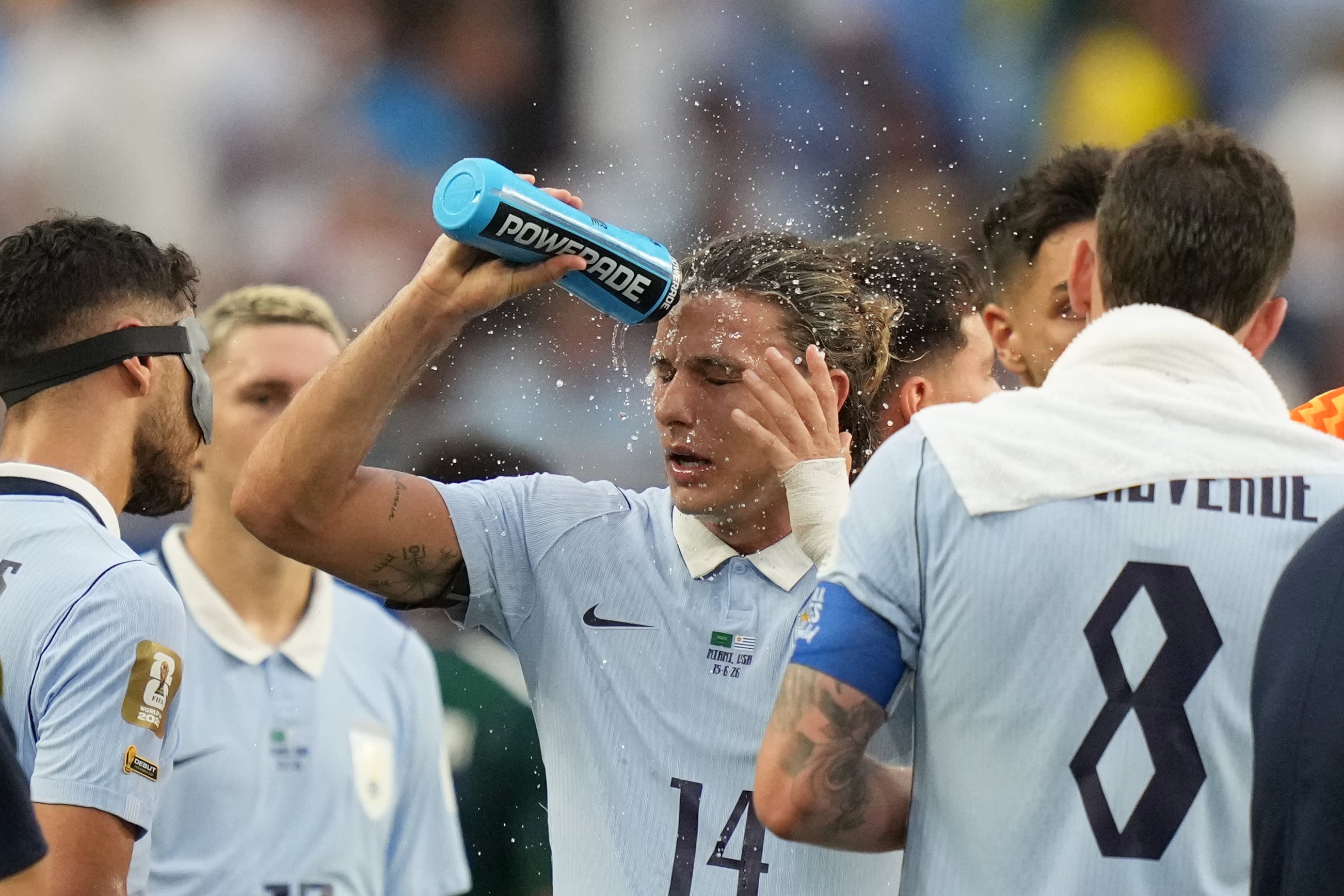
Franchella highlighted that athletes often lose significant amounts of water through sweat without feeling thirsty. "When we lose a liter of water through perspiration, we don't perceive it and we don't feel thirsty yet. That's why children need to be told and they need to drink without feeling that sensation of thirst," he explained. These mandatory breaks on the field are designed to ensure players rehydrate proactively.
While beneficial in extreme heat, Franchella stressed the need for careful implementation to avoid muscle injuries. "That break on hot days, when the person has lost a lot of heat, is adequate because we sometimes say that every 15 minutes or 20 minutes, someone playing tennis at a country club should recover some of that liquid without having felt the corresponding thirst as an alert," he noted. During these pauses, players should engage in light "regenerative" activity rather than standing still.
That break on hot days, when the person has lost a lot of heat, is adequate because we sometimes say that every 15 minutes or 20 minutes, someone playing tennis at a country club should recover some of that liquid without having felt the corresponding thirst as an alert.
Cooling vests, which use frozen gels to dissipate body heat, were also discussed. Franchella explained their function: "Whenever we have a body, heat goes from the hotter one to the colder one or the environment. In this case, there are gels that we know daily. They have a container with a gel inside that freezes. So when we place it on our skin, the heat from our skin goes to the gel." This controlled cooling helps athletes return their core body temperature to the normal range of 36-37 degrees Celsius after intense physical stress.
Whenever we have a body, heat goes from the hotter one to the colder one or the environment. In this case, there are gels that we know daily. They have a container with a gel inside that freezes. So when we place it on our skin, the heat from our skin goes to the gel.
However, Franchella warned against sudden, drastic temperature changes. Unlike the controlled cooling provided by vests, abrupt shifts from heat to cold, such as using ice baths or cold showers immediately after matches, can pose cardiovascular risks. "A sudden change from heat to cold can cause a change in blood pressure. Therefore, these players are controlled, regulated, and supervised. But if someone is watching, it would not be the most appropriate," he cautioned, emphasizing the importance of regulated and supervised methods for athlete recovery.
A sudden change from heat to cold can cause a change in blood pressure. Therefore, these players are controlled, regulated, and supervised. But if someone is watching, it would not be the most appropriate.
DistantNews Editorial
Originally published by La Nación in Spanish. Translated, summarized, and contextualized by our editorial team with added local perspective. Read our editorial standards.
More Stories



From Our Blog

What Gets Lost (and Found) When News Is Translated

The Critical Role of Diaspora Media in Global News

What Travellers Should Know About Countries with Restricted Press

A Digital Nomad's Guide to Following Local News

How the Same Story Looks Different in Different Countries
