

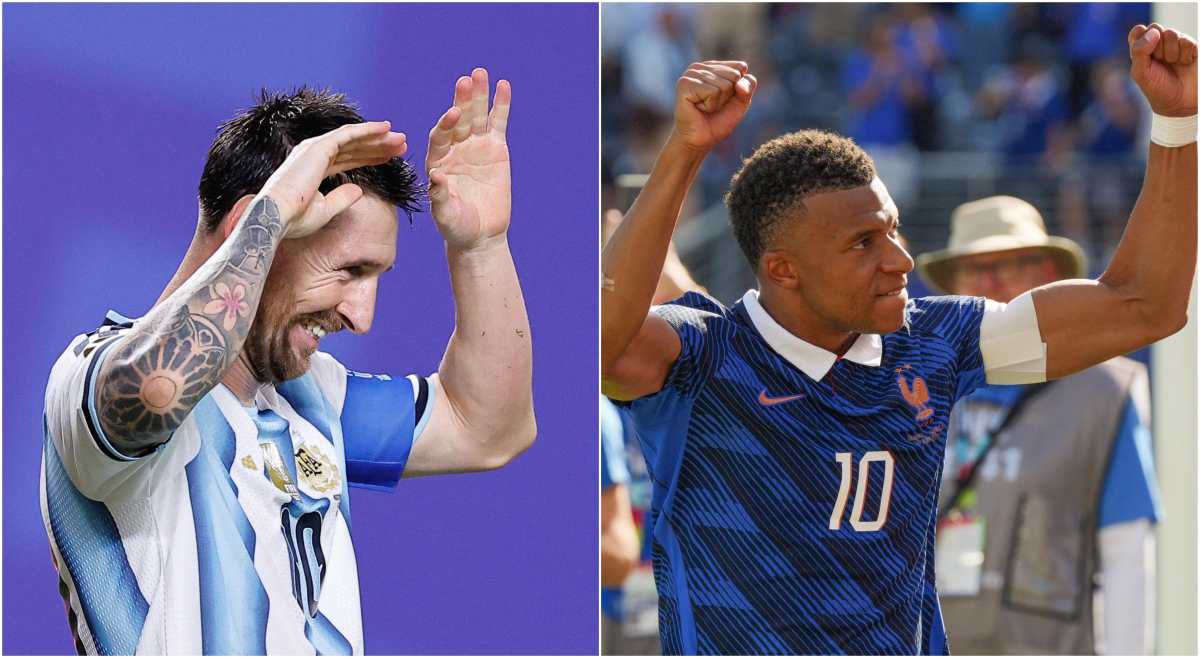
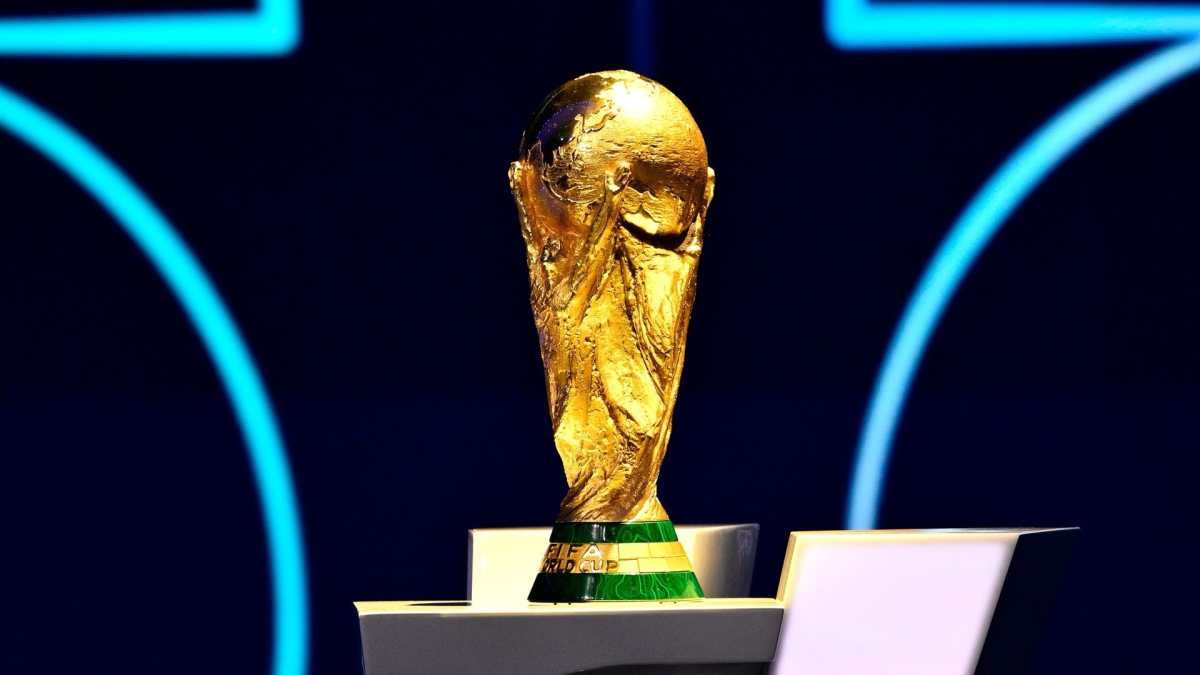
2026 World Cup tie-breakers favor head-to-head results over goal difference
Translated from Spanish, summarized and contextualized by DistantNews.
At a glance
News
Sources not specified
Context piece
- FIFA has changed the main tie-breaking criteria for the 2026 World Cup, prioritizing head-to-head results over overall goal difference.
- Eight of the twelve third-placed teams will advance to the knockout stage, expanding the tournament to 32 teams.
- This new system, similar to UEFA's, has already influenced group standings, as seen in Mexico's early lead.
The 2026 World Cup introduces a new tie-breaking system for the group stage, shifting the primary criterion from overall goal difference to head-to-head results between tied teams. This change means that points, goal difference, and goals scored in matches between the involved teams will be considered first.
If a tie persists, the tournament will then look at the overall group stage results, including general goal difference, total goals scored, and disciplinary records. As a final measure, FIFA's current world ranking at the tournament's start will be used. This new format allows the two best third-placed teams from each of the 12 groups to advance to the round of 16, increasing qualification opportunities.
The impact of this new rule was immediately visible in Group A, where Mexico secured first place after their second match, largely due to their head-to-head victory against a team with equal points. This modification could benefit teams that secure wins against direct rivals early in the competition. The FIFA system now closely mirrors the approach historically used by UEFA, which emphasizes performance in direct encounters before resorting to overall goal difference.
DistantNews Editorial
Originally published by Prensa Libre in Spanish. Translated, summarized, and contextualized by our editorial team with added local perspective. Read our editorial standards.
More Stories
From Our Blog

What Gets Lost (and Found) When News Is Translated

The Critical Role of Diaspora Media in Global News

What Travellers Should Know About Countries with Restricted Press

A Digital Nomad's Guide to Following Local News

How the Same Story Looks Different in Different Countries
