


250 Years of Independence: How the US Broke from Britain
Translated from Danish, summarized and contextualized by DistantNews.
At a glance
News
Sources not specified
Context piece
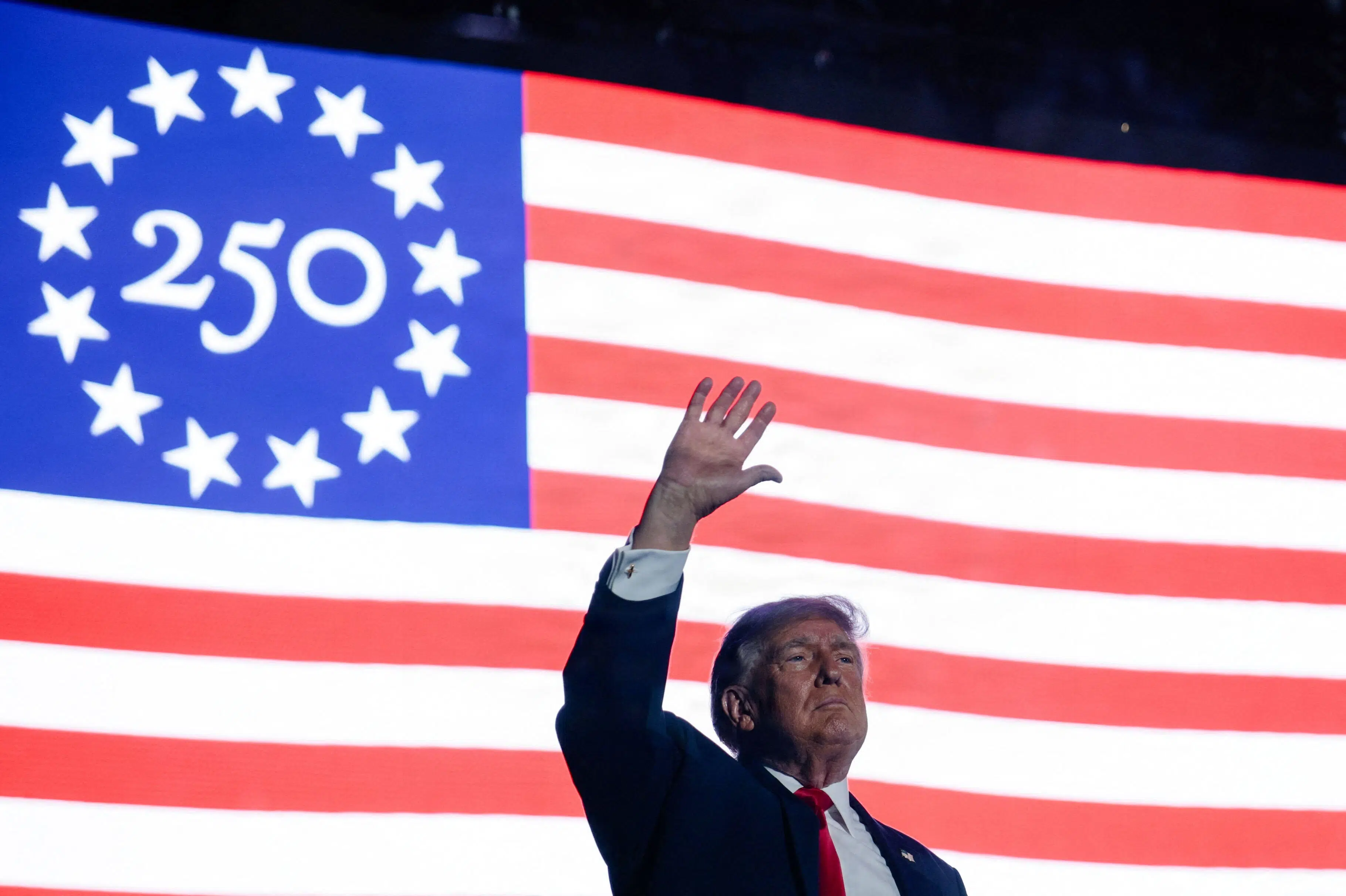
- The United States celebrates its 250th anniversary of independence on July 4.
- Growing dissatisfaction with British rule, particularly over taxation and border policies, led to conflict in the 1770s.
- The Continental Congress formed a revolutionary army under George Washington, culminating in the Declaration of Independence on July 4, 1776, and eventual victory after French intervention.
The United States is set to commemorate its 250th anniversary of independence on July 4, marking the formal separation of the 13 British colonies from Great Britain. This pivotal moment in history was the culmination of escalating tensions and armed conflict.
Throughout the 1760s and 1770s, colonists grew increasingly resentful of British policies, particularly the imposition of taxes and restrictive border regulations. These grievances fueled the formation of the Continental Congress in 1774, a political assembly that laid the groundwork for secession.
By 1775, armed clashes erupted between colonial militias and the British army, with Massachusetts becoming a focal point of the rebellion. The Continental Congress responded by establishing a Continental Army, appointing George Washington as its commander.
The Declaration of Independence was adopted on July 4, 1776, transforming the colonies into free states. Although the British initially dismissed the declaration, it provided a basis for international recognition. The war continued, with France joining the colonial cause in 1777, ultimately leading to British surrender in 1781 and the official end of the war with the Treaty of Paris in 1783, securing American independence.
DistantNews Editorial
Originally published by Berlingske in Danish. Translated, summarized, and contextualized by our editorial team with added local perspective. Read our editorial standards.
More Stories

From Our Blog

What Gets Lost (and Found) When News Is Translated

The Critical Role of Diaspora Media in Global News

What Travellers Should Know About Countries with Restricted Press

A Digital Nomad's Guide to Following Local News

How the Same Story Looks Different in Different Countries
