


3.7 trillion won from stock, bond sales used for home purchases in Seoul from January to April
Translated from Korean, summarized and contextualized by DistantNews.
At a glance
News
Official statement
Context piece
- In the first four months of the year, 3.7 trillion won from stock and bond sales was used to purchase homes.
- Approximately 65% of this amount, or 2.4 trillion won, was spent on homes in Seoul, with a significant portion directed to the Gangnam 3 districts.
- Concerns are rising about a potential spillover from the booming stock market into real estate, drawing attention to government demand-suppression measures.
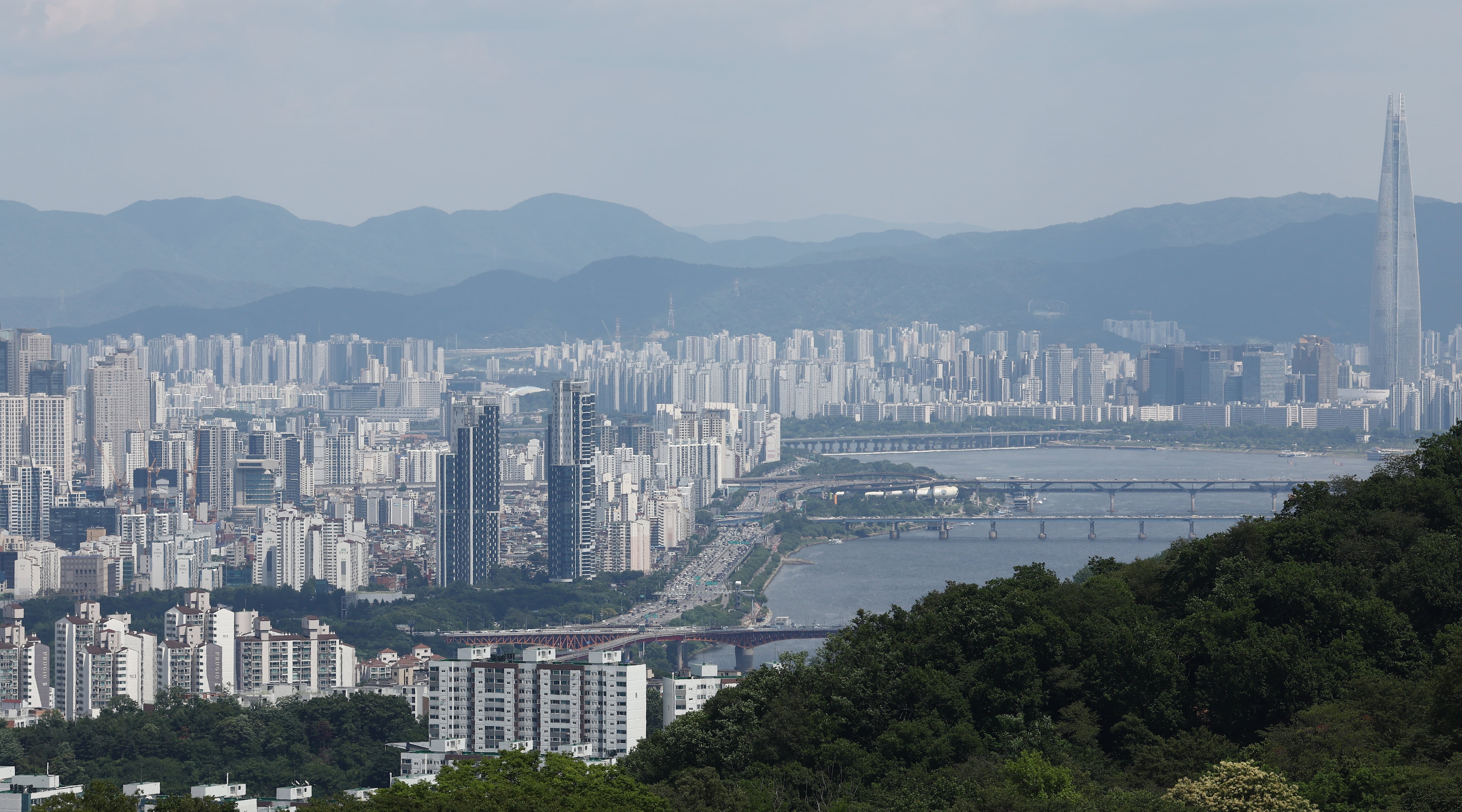
South Koreans sold stocks and bonds worth 3.7 trillion won (approximately $2.7 billion) in the first four months of this year to fund real estate purchases. Of this sum, 2.4 trillion won was allocated to buying homes in Seoul, with a notable concentration of funds flowing into the affluent Gangnam 3 districts, Gangnam, Seocho, and Songpa.
The trend has fueled concerns that a rally in the stock market, often referred to as a "Kospi bull run," might be extending into the real estate sector. This potential shift has put the spotlight on the government's existing demand-suppression policies for the housing market.
Data from the Ministry of Land, Infrastructure, and Transport, submitted to lawmaker Kim Jong-yang, reveals that the use of funds from stock and bond sales for housing purchases has seen a significant increase. While the proportion of such funds used for homes priced at 1.5 billion won or more remained below 5% from 2020 to 2023, it jumped to around 9% in the first quarter of 2024 and reached 13.2% in April alone. This surge is attributed to the combination of a booming stock market and restrictions on loan-to-value ratios for real estate.
Real estate experts anticipate that more investment profits from the strengthening domestic stock market could flow into the housing market. However, they also suggest that a rapid surge in apartment prices is unlikely due to the government's stringent real estate regulations. Measures like the "10.15 Measures" last year designated the entirety of Seoul and 12 areas in Gyeonggi Province as land transaction permit zones, effectively curbing speculative purchases and focusing the market on genuine homeowners. While a temporary allowance for "gap investment", buying a property with a tenant already in place, has been permitted until lease expiration for existing homeowners, it is strictly limited to cases where the buyer is a non-homeowner who has secured a resident buyer.
This shift towards a market driven by actual demand is also reflected in recent Seoul apartment price trends. According to data from the Korea Real Estate Board, the cumulative apartment price increase in the Gangnam 3 districts from January 1 to June 8 this year was 0.62% for Gangnam-gu, 2.06% for Seocho-gu, and 3.01% for Songpa-gu. These figures are below the Seoul average increase of 4.22% during the same period.
DistantNews Editorial
Originally published by Hankyoreh in Korean. Translated, summarized, and contextualized by our editorial team with added local perspective. Read our editorial standards.
More Stories


From Our Blog

What Gets Lost (and Found) When News Is Translated

The Critical Role of Diaspora Media in Global News

What Travellers Should Know About Countries with Restricted Press

A Digital Nomad's Guide to Following Local News

How the Same Story Looks Different in Different Countries
