


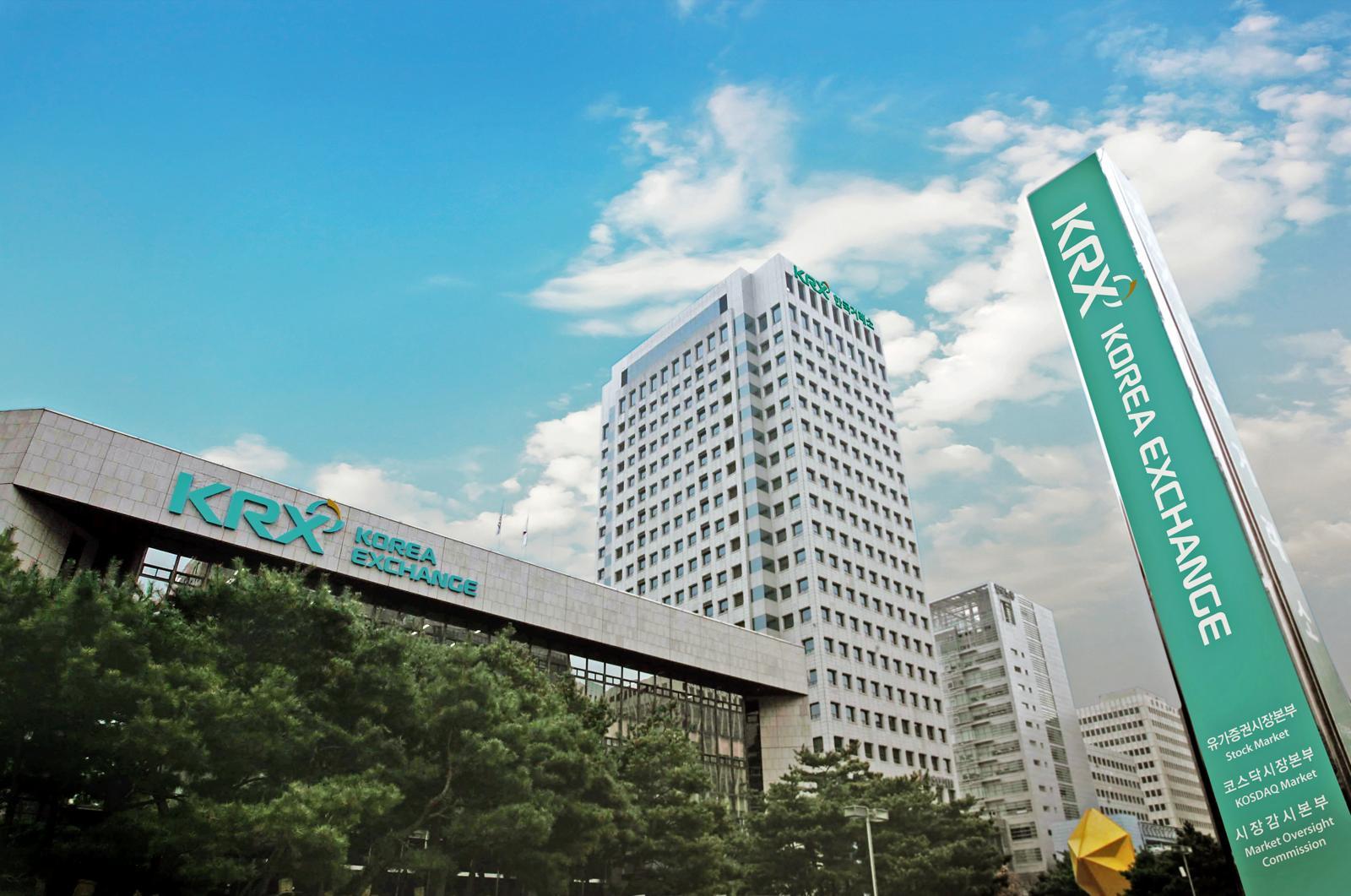
36 South Korean companies designated 'management issue' stocks amid stricter delisting rules
Translated from Korean, summarized and contextualized by DistantNews.
At a glance
News
Named sources
New plan
- South Korea's stock exchange has designated 36 listed companies as 'management issue' stocks due to falling share prices and low market capitalization.
- These companies, including 9 on the KOSPI and 27 on the KOSDAQ, now face stricter monitoring and potential delisting if they fail to improve their financial standing.
- Stricter delisting criteria, implemented in March, require stocks to remain above 1,000 won and meet minimum market capitalization thresholds, with a grace period before final delisting.
South Korea's stock markets are taking a tougher stance on underperforming companies, with the Korea Exchange designating 36 listed firms as "management issue" stocks. This move comes as the government tightens delisting requirements to weed out financially unstable businesses.
The designated companies, comprising nine from the KOSPI and 27 from the KOSDAQ, now fall under closer scrutiny. Six of these firms were already in the management issue category. Among the newly designated KOSPI companies are Daeyoung Packaging, Hyungji Elite, Ilshin Stone, Hankook Electronics Holdings, and Taewon Industries. On the KOSDAQ, the list includes Our Enterprise, TKG&G, CMG Pharmaceutical, Good People, Noeul, Icecream Edu, and Omnisystem.
Under revised listing rules effective since March 1, companies whose stock prices consistently trade below 1,000 won for 30 consecutive trading days, or whose market capitalization falls below 30 billion won for KOSPI or 20 billion won for KOSDAQ, are flagged. These companies then have 90 trading days to meet the required standards for 45 consecutive days; failure to do so results in final delisting.
Financial authorities anticipate that around 50 companies on the KOSDAQ alone could face delisting this year. Companies on the brink of being removed from the exchange are scrambling to devise recovery strategies, such as rights offerings, treasury stock purchases, or stock splits. However, many of these struggling firms lack the necessary capital to implement effective measures, leaving their future uncertain.
DistantNews Editorial
Originally published by Dong-A Ilbo in Korean. Translated, summarized, and contextualized by our editorial team with added local perspective. Read our editorial standards.
More Stories


From Our Blog

What Gets Lost (and Found) When News Is Translated

The Critical Role of Diaspora Media in Global News

What Travellers Should Know About Countries with Restricted Press

A Digital Nomad's Guide to Following Local News

How the Same Story Looks Different in Different Countries
