


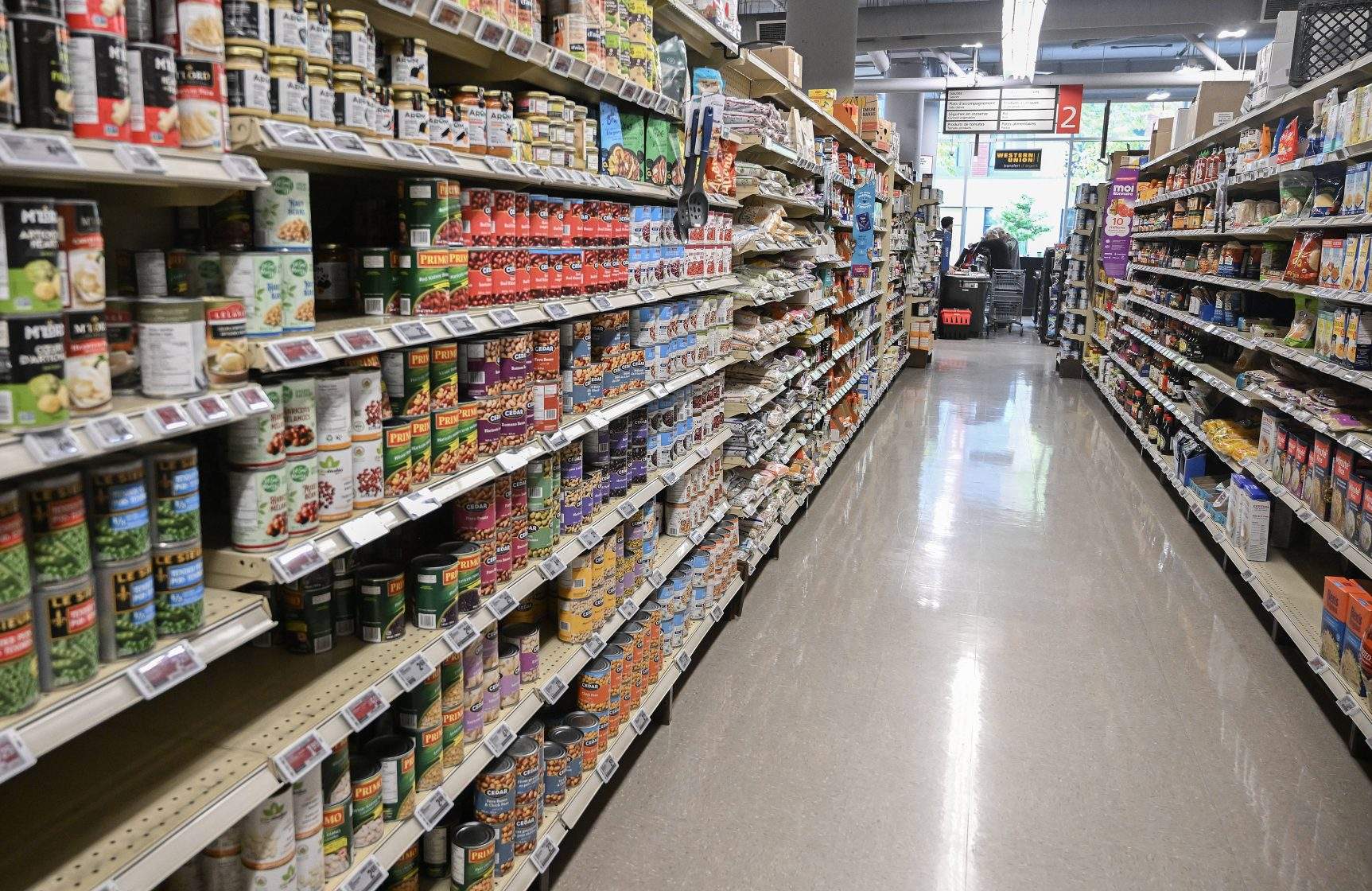
4 out of 5 American toddler foods are ultra-processed, research says
Summarized and contextualized by DistantNews.
At a glance
News
Named sources
Context piece
- Research indicates that 81% of toddler foods sold in the U.S. are ultra-processed, with many failing to meet nutritional benchmarks.
- Nearly half of the analyzed products did not meet at least one nutritional standard set by the World Health Organization (WHO) for children aged six to 36 months.
- The study highlights the need for parents to be vigilant about checking labels and for regulatory bodies like the FDA to consider stricter guidelines for children's food products.
A significant majority of foods marketed to toddlers in the United States are ultra-processed, according to new research. The study found that 81% of the 2,783 products analyzed fall into this category. This raises concerns about the nutritional quality of the food available to very young children, as ultra-processed foods are often associated with negative health outcomes.
Many parents may assume that products sold on the baby/toddler food aisles of their grocery stores have to meet certain nutrient standards. Our findings highlight that half of the toddler foods available in local grocery stores do not.
Beyond being ultra-processed, the research revealed that nearly half of these toddler food items failed to meet at least one nutritional benchmark established by the World Health Organization (WHO) and the Promotion Profile Model. Specifically, 17% of products fell short on sugar content, 25% on sodium, 11% on fat, and 12% on energy density, when compared to WHO recommendations for children aged six to 36 months.
Erin A. Hudson, the study's lead author, emphasized in a press release that parents may mistakenly assume that products in the baby and toddler food aisles adhere to specific nutrient standards. "Our findings highlight that half of the toddler foods available in local grocery stores do not," she stated, urging parents to "be vigilant in checking labels and ingredients to determine the nutrient content and processing level of products for their toddlers."
As a result, parents have to be vigilant in checking labels and ingredients to determine the nutrient content and processing level of products for their toddlers.
The findings come at a time when the U.S. Food and Drug Administration (FDA) is contemplating new guidelines for front-of-package nutrition labels and marketing claims for children's food. Currently, the U.S. does not mandate warning labels on products high in sugar, sodium, or calories. This study, presented at Nutrition 2026, the annual meeting of the American Society for Nutrition, adds further weight to calls for clearer labeling and potentially stricter regulations on the food industry's offerings for young children.
While concern surrounding ultra-processed food consumption is present, people don’t actually know what ultra-processed foods are.
DistantNews Editorial
Originally published by Global News. Summarized and contextualized by our editorial team with added local perspective. Read our editorial standards.
More Stories


From Our Blog

What Gets Lost (and Found) When News Is Translated

The Critical Role of Diaspora Media in Global News

What Travellers Should Know About Countries with Restricted Press

A Digital Nomad's Guide to Following Local News

How the Same Story Looks Different in Different Countries
