


450,000 Fish Dead Amid 'Heatflation' as Spinach Prices Soar 111%
Translated from Korean, summarized and contextualized by DistantNews.
At a glance
News
Official statement
Context piece
- Unprecedented heatwaves across South Korea have caused the death of 450,000 fish and disrupted vegetable harvests.
- The combined impact on marine and land food production has led to concerns about 'heatflation,' a rise in prices due to high temperatures.
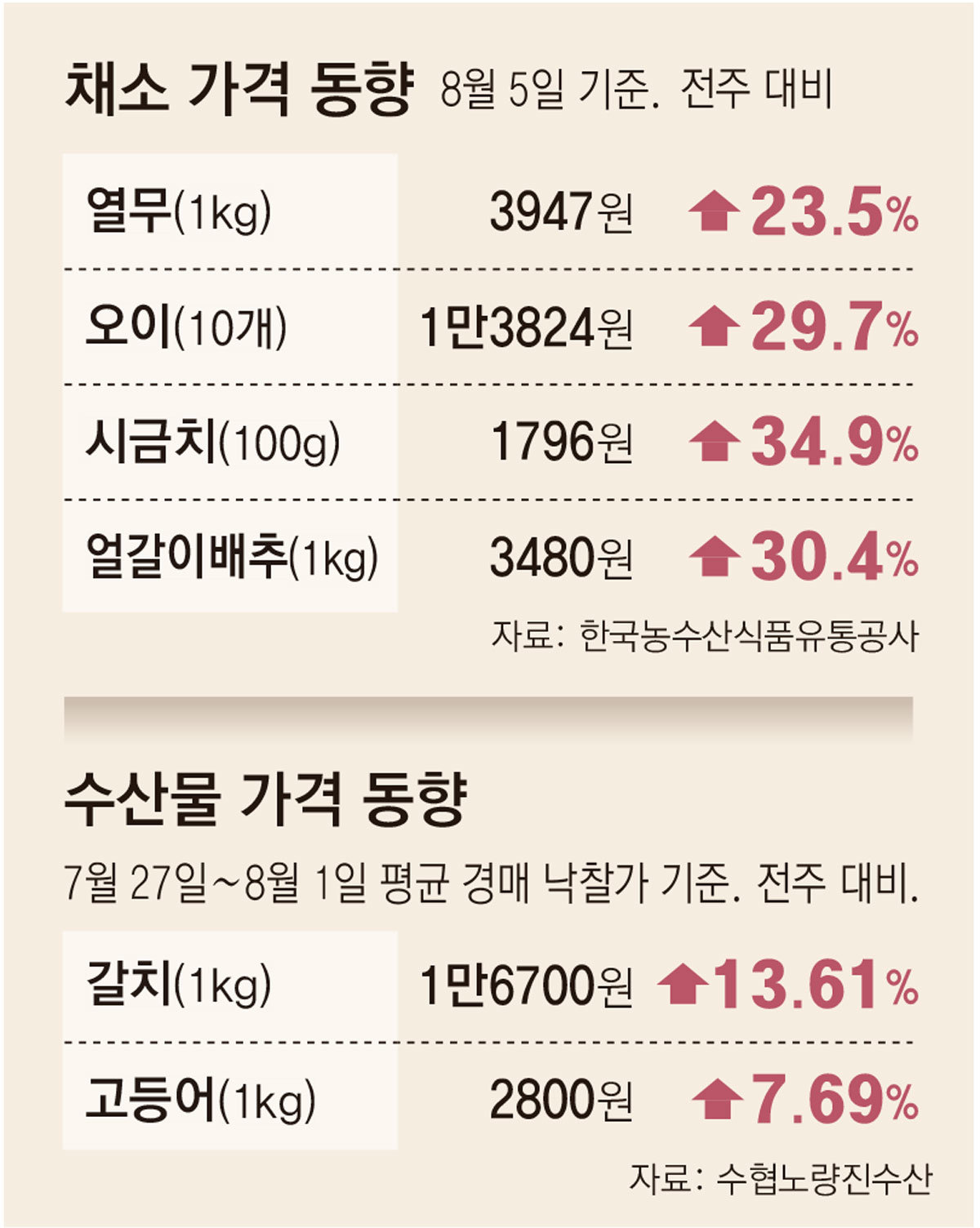
- Prices for various fresh foods, including mackerel and hairtail, have surged significantly compared to the previous year, with some increasing by nearly 50%.
South Korea is grappling with the severe impact of relentless heatwaves, which have devastated fish farms and hampered agricultural output. The nation has witnessed the death of approximately 450,000 fish due to high water temperatures, with flounder, rockfish, and turbot among the hardest hit. This marine crisis is compounded by disruptions to vegetable harvests, creating a dual blow to the country's food supply.
The escalating situation has fueled concerns over 'heatflation,' a phenomenon where soaring temperatures drive up the cost of living. The price of seafood has seen a dramatic increase, with mackerel prices rising by nearly 47.4% and hairtail prices by a substantial margin compared to the same period last year. This surge in food prices is expected to ripple through the economy, affecting not only fresh produce but also related dining expenses.
The average auction price of mackerel (1kg) rose 47.37% to 2,800 won compared to the previous year.
Authorities are closely monitoring the situation as the extreme weather continues to strain food production and impact consumer prices. The interconnectedness of marine and agricultural sectors means that the effects of the heatwave are widespread, posing a significant challenge to food security and economic stability in the region.
A total of 450,000 farmed fish have died due to the heatwave and high water temperatures as of 5 p.m. yesterday.
DistantNews Editorial
Originally published by Dong-A Ilbo in Korean. Translated, summarized, and contextualized by our editorial team with added local perspective. Read our editorial standards.
More Stories



From Our Blog

What Gets Lost (and Found) When News Is Translated

The Critical Role of Diaspora Media in Global News

What Travellers Should Know About Countries with Restricted Press

A Digital Nomad's Guide to Following Local News

How the Same Story Looks Different in Different Countries
