

5 key issues to watch in Quebec's provincial election campaign
Translated from English and summarized by DistantNews. Read the original for the full story.
At a glance
News
Sources not specified
Ongoing story
- Quebec is gearing up for a provincial election in early October, concluding eight years of Coalition Avenir Québec (CAQ) rule.
- The Parti Québécois (PQ) currently leads in polls and has proposed a referendum by 2030, though its leader has since stated no referendum would occur while Donald Trump is in office.
- Key issues shaping the campaign include a tentative multi-billion-dollar deal on power from Churchill Falls, U.S. tariffs impacting the forest industry, cost of living, and the development of critical mineral resources.
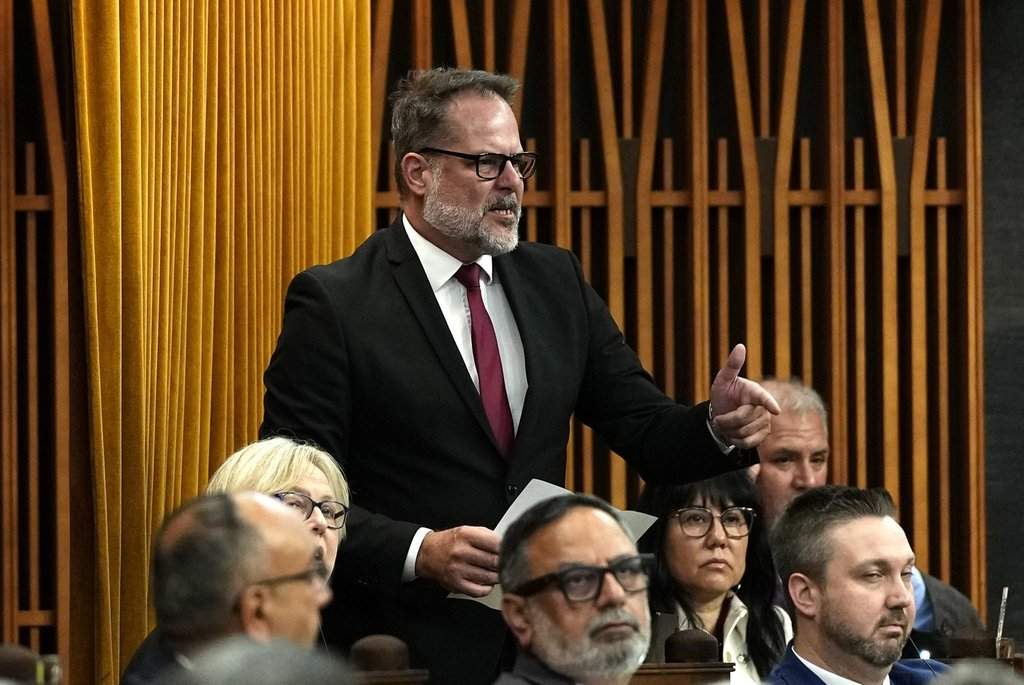
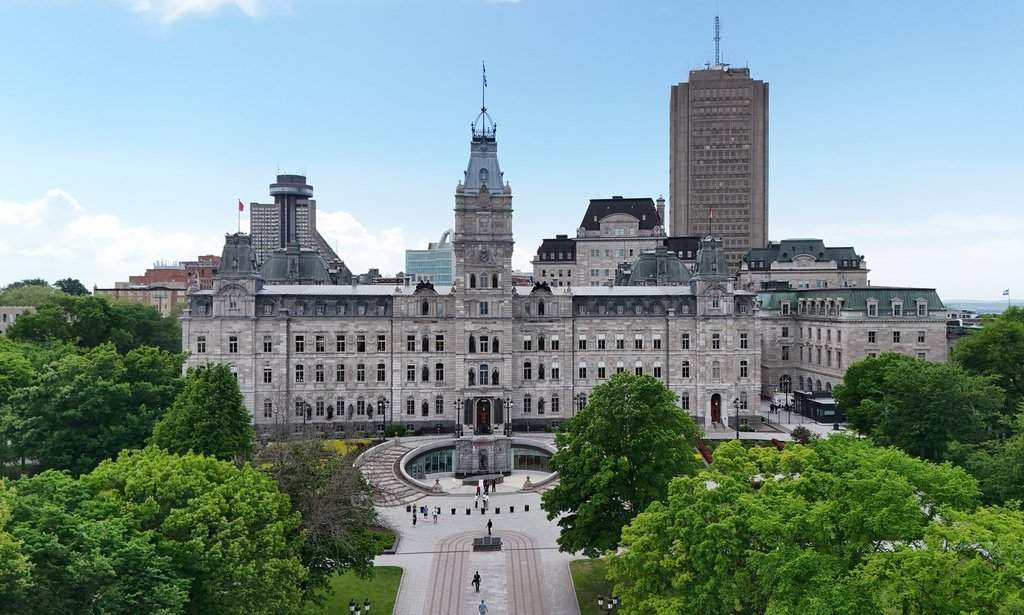
Quebecers are preparing to cast their ballots in an early October provincial election, marking the end of eight consecutive years under the Coalition Avenir Québec (CAQ) government. The political landscape has shifted since the CAQ's 2018 victory, which was seen as moving the province beyond its long-standing federalist-sovereigntist debate.
This year, the Parti Québécois (PQ) has emerged as a frontrunner in the polls. Its leader has pledged to hold a referendum by 2030 if elected, though this commitment has been qualified by a statement that no referendum would occur during Donald Trump's presidency. Polls suggest a lack of public appetite for a referendum, a point likely to be exploited by opposing parties.
The election campaign unfolds amidst significant economic developments. Quebec and Newfoundland and Labrador have reached a tentative multi-billion-dollar agreement to share power from the Churchill Falls generating station and to develop new hydroelectric, wind, and transmission projects. However, this deal requires finalization, following an earlier rejection by Newfoundland and Labrador.
Simultaneously, Quebec's vital forest industry faces threats from U.S. tariffs, compounded by the impact of forest fires. The province is also focused on strategies for developing its critical mineral resources and ensuring sufficient energy supplies for future decades. The cost of living remains a paramount concern for Quebecers in 2026, with all major parties prioritizing affordability.
Parties have proposed various solutions to address economic pressures. The CAQ's leader, Christine Fréchette, has outlined plans including reimbursing first-time homebuyers for land transfer taxes and converting non-subsidized daycare spots to subsidized ones. Québec solidaire proposes rent increase ceilings and a $20 minimum wage, while the Conservative Leader Éric Duhaime promises tax cuts. The Liberal Party aims to boost home construction to 100,000 units annually, and the PQ has declared homelessness its top social priority. The recent imposition of 50 percent U.S. tariffs on Canadian exports, affecting an estimated $7.7 billion in Quebec exports, adds another layer of economic uncertainty.
About this summary
Originally published by Global News in English. Translated, summarized, and contextualized automatically by DistantNews, with a note on how the source frames the story. Not individually reviewed before publishing. How this works.
More Stories

From Our Blog

What Gets Lost (and Found) When News Is Translated

The Critical Role of Diaspora Media in Global News

What Travellers Should Know About Countries with Restricted Press

A Digital Nomad's Guide to Following Local News

How the Same Story Looks Different in Different Countries
