


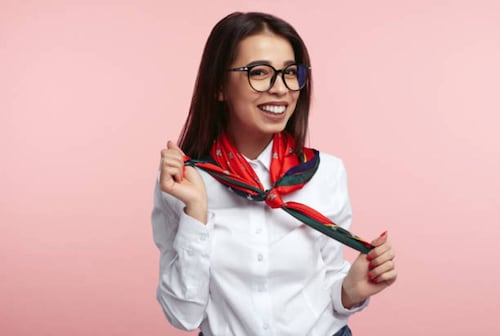
5 ways to style a scarf to elevate your looks
Translated from Spanish, summarized and contextualized by DistantNews.
At a glance
In-depth
Sources not specified
Context piece
- Scarves are a versatile accessory making a comeback from the early 2000s, suitable for casual and sophisticated looks.
- Five styling options include wearing a scarf as a headband, an improvised top, a bag accessory, around the neck, or as a belt.
- Experimenting with different patterns and ways to tie a scarf can elevate basic outfits and add a modern touch.
Scarves are experiencing a significant fashion revival, re-emerging as a key accessory from the early 2000s with the potential to elevate both casual and sophisticated outfits. Their versatility allows for numerous styling possibilities, making them a go-to item for those looking to stay on-trend.
One popular way to incorporate a scarf is by wearing it as a headband, reminiscent of 1960s fashion. This can be achieved by tying it traditionally or using it to cover a larger portion of the head, with colorful or psychedelic patterns adding a retro flair. For warmer seasons, a scarf can be ingeniously transformed into an improvised top. By tying it securely in the back, it can be worn over a basic top or as a standalone piece, offering a chic and unexpected look.
Scarves also serve as excellent decorative elements for accessories like handbags. Tying one to the handle of a bag is a simple yet effective way to add a pop of color and personality. For a touch of elegance, wearing a scarf around the neck is a classic choice, particularly flattering with V-neck or U-neck tops and dresses. A neatly folded triangular scarf is an easy way to achieve this sophisticated look.
Finally, scarves can be creatively used as a belt or to adorn the hips, adding a unique touch to outfits with midi skirts or trousers. This styling option, gaining popularity, can instantly upgrade even the most basic ensembles. By experimenting with these diverse methods, individuals can discover new combinations and personalize their style with this adaptable accessory.
DistantNews Editorial
Originally published by El Universal in Spanish. Translated, summarized, and contextualized by our editorial team with added local perspective. Read our editorial standards.
More Stories


From Our Blog

What Press Freedom Means for the News You Read

What Gets Lost (and Found) When News Is Translated

The Critical Role of Diaspora Media in Global News

What Travellers Should Know About Countries with Restricted Press

A Digital Nomad's Guide to Following Local News
