


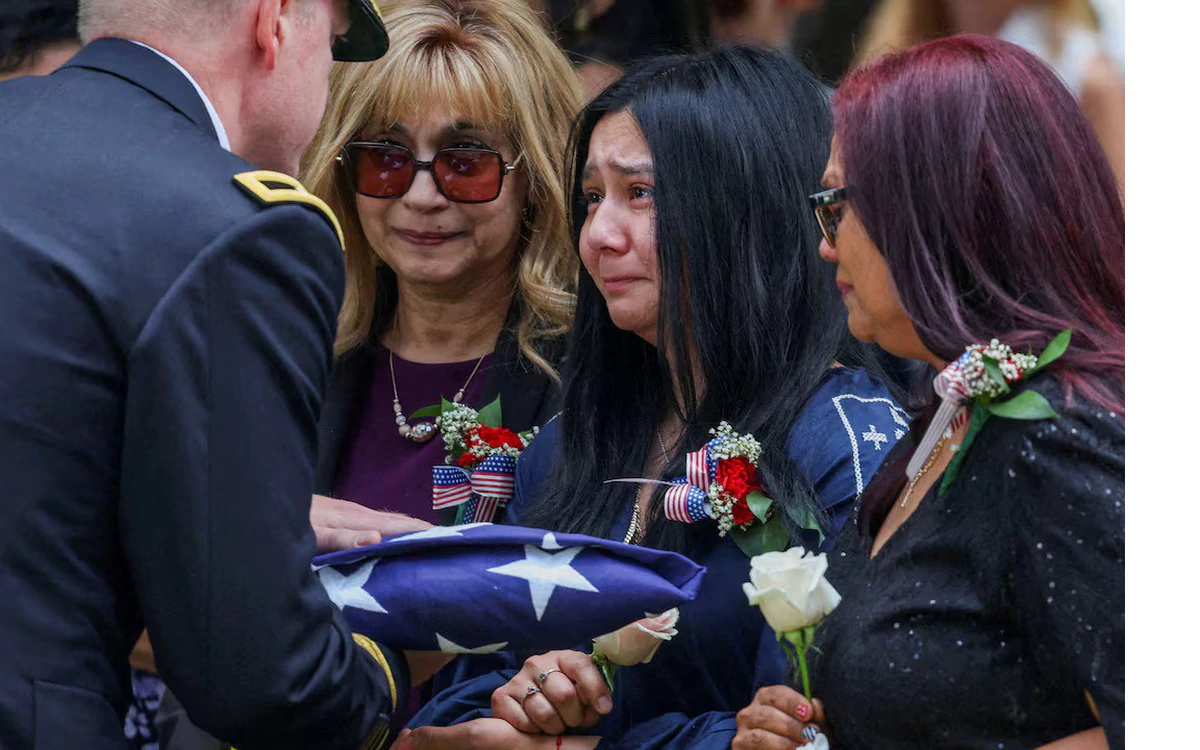

582 fallen soldiers’ remains recovered from Lê Thị Riêng Park
Translated from Vietnamese and summarized by DistantNews. Read the original for the full story.
At a glance
News
Official statement
Ongoing story
- Authorities in Ho Chi Minh City recovered 11 additional sets of remains at Lê Thị Riêng Park on September 5, bringing the total to 582.
- The recovery operation processed more than 600 cubic meters of soil and used excavators, dump trucks and transport vehicles.
- Officials are recording and preserving remains and artifacts separately for DNA testing, cross-checking and identification.
The search at Lê Thị Riêng Park in Ho Chi Minh City has recovered 582 sets of fallen soldiers’ remains, after teams found 11 more in section B on September 5. The operation also uncovered five sets of associated artifacts.
During the day, workers processed more than 600 cubic meters of soil and expanded the search area. The Ho Chi Minh City Military Command deployed three excavators, one dump truck and two 3.5-ton trucks to remove and transport soil and support the search.
The cumulative figure covers the operation from June 23 through September 5. Of the remains recovered, 549 came from individual graves and 33 from eight collective grave sites. Section A contains two collective sites, while section B contains six. A total of 273 sets of remains were found with artifacts.
The search began on June 23 and expanded across the park from July 6, initially focusing on section A before moving into section B. Teams have at times worked in both areas simultaneously. Investigators selected digging sites by combining testimony from historical witnesses, archival records, maps, photographs, field traces, ground-penetrating radar and electrical imaging.
Because the park’s terrain changed through repeated renovations, some areas contain thick layers of fill. Machinery removes the upper soil, but personnel switch to careful manual digging and screening when they find possible traces of remains or artifacts. Each discovery is documented, photographed, classified, coded and stored separately for DNA examination, comparison with available information and identification.
About this summary
Originally published by Thanh Niên in Vietnamese. Translated, summarized, and contextualized automatically by DistantNews, with a note on how the source frames the story. Not individually reviewed before publishing. How this works.
More Stories

From Our Blog

News in Translation: What Gets Lost, and How We Keep the Framing

Diaspora Media: How Communities Follow News From Home

Traveling Where the Press Is Not Free: How to Read the News There

The Digital Nomad's Guide to Local News

The Same Story, Different Countries: How Coverage Changes at the Border
