

6 more articles accepted in the SSÇ regulation
Translated from Turkish, summarized and contextualized by DistantNews.
At a glance
News
Sources not specified
Approved/passed
- Turkey's parliament approved six more articles of a bill aimed at protecting children and reforming juvenile justice.
- The legislation increases penalties for family law violations, including neglect and abandonment, and introduces new rules for the execution of sentences for child offenders.
- New measures also include a ban on carrying and selling knives to minors and mandatory social inquiry for children under 15.
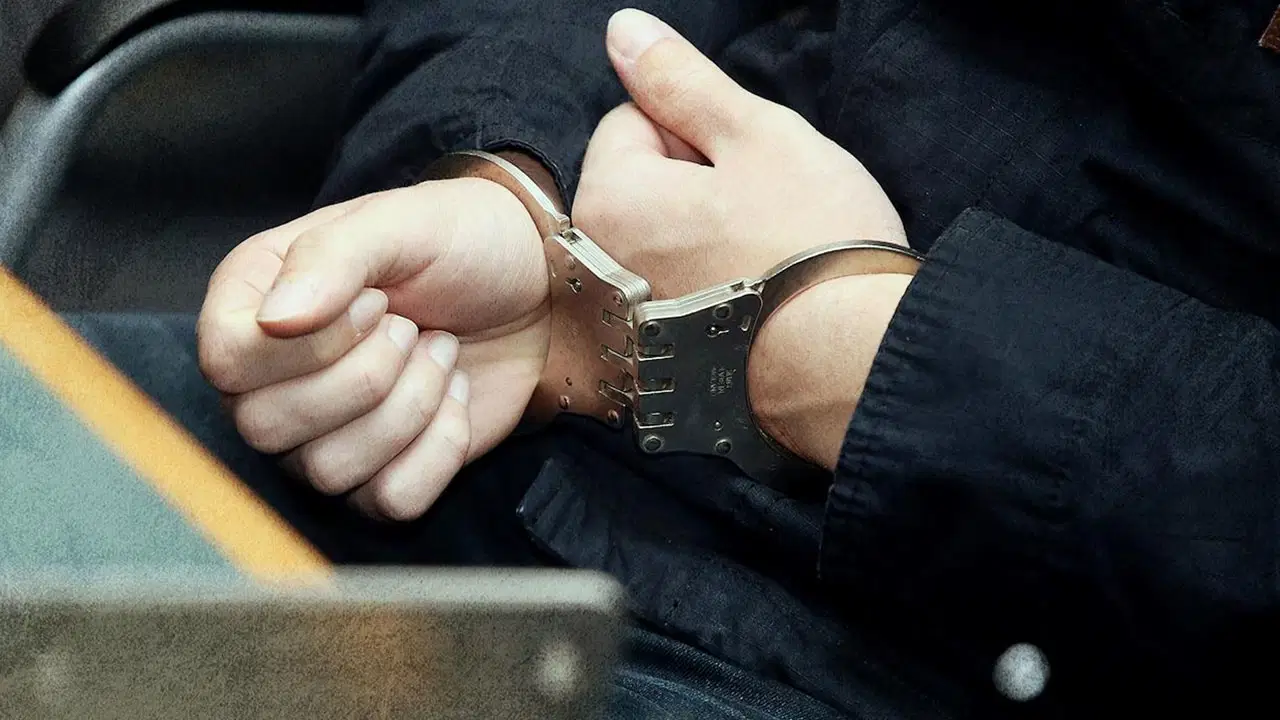
The Turkish Grand National Assembly's General Council has approved six additional articles from a legislative proposal focused on child protection and the reform of juvenile justice. This bill aims to safeguard the family institution and, particularly, children, while introducing significant changes to the correctional processes for juvenile offenders.
Penalties for violating family law have been increased. The minimum prison sentence for individuals failing to meet their child support, education, or maintenance obligations has been raised to three months, with the maximum extended to two years. For cases involving the abandonment of a pregnant spouse or partner, the penalty now ranges from six months to two years. If these actions result in severe injury or death to a child, the sentence will be increased by half to double, without requiring a complaint. Additionally, parents who endanger a child's health or safety through intoxication, drug use, or dishonorable conduct, even if deprived of parental rights, face prison sentences ranging from one to three years.
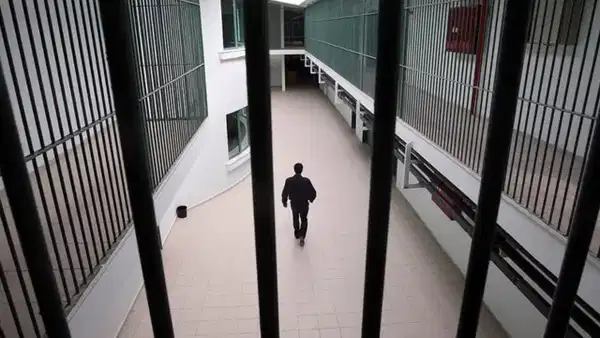
The law introduces a new system for the execution of sentences for child offenders. Initially, child inmates will serve their sentences in closed juvenile correctional facilities. If they demonstrate good behavior, they will be transferred to educational facilities. Children aged 12-18 will be housed in separate sections of closed correctional facilities based on gender, physical development, and the nature of their crimes. Decisions regarding transfer to educational facilities will be made by the administration and observation board, with input from psychologists, pedagogues, teachers, and lawyers from the Turkish Bar Association's Children's Rights Commission, at least every three months. Those assessed negatively will be re-evaluated within six months.
Children sentenced to three years or less for intentional crimes, or five years or less for negligent crimes, will have their sentences served directly in juvenile educational facilities. However, an amendment proposed by the AKP party excluded crimes related to terrorism and organized crime activities from this provision. Furthermore, a new article added to the Law on Misdemeanors prohibits the sale and display of any type of unlicensed knife and sharp object, as well as their sale to individuals under 18 and possession by children. For children under 15, a social inquiry will be mandatory before indictment; otherwise, the court will return the indictment to the Chief Public Prosecutor's Office within 15 days.
Changes have also been made to the calculation of conditional release. Except for offenses such as intentional homicide, crimes against sexual integrity, drug manufacturing and trafficking, and organized crime, one day spent in a correctional facility by an inmate under 15 will count as two days towards conditional release.
DistantNews Editorial
Originally published by Cumhuriyet in Turkish. Translated, summarized, and contextualized by our editorial team with added local perspective. Read our editorial standards.
More Stories


From Our Blog

What Gets Lost (and Found) When News Is Translated

The Critical Role of Diaspora Media in Global News

What Travellers Should Know About Countries with Restricted Press

A Digital Nomad's Guide to Following Local News

How the Same Story Looks Different in Different Countries
