

7 million won 'interceptor drone' emerges as response to expensive missiles
Translated from Korean, summarized and contextualized by DistantNews.
At a glance
News
Named sources
Context piece
- A U.S. defense startup is producing interceptor drones in the UAE for approximately $7,000 each to counter low-cost Iranian drones.
- This development addresses the economic inefficiency of using multi-million dollar missiles to destroy inexpensive drones.
- The startup aims to scale production significantly, with plans to reach 15,000 units per month globally by mid-2027.
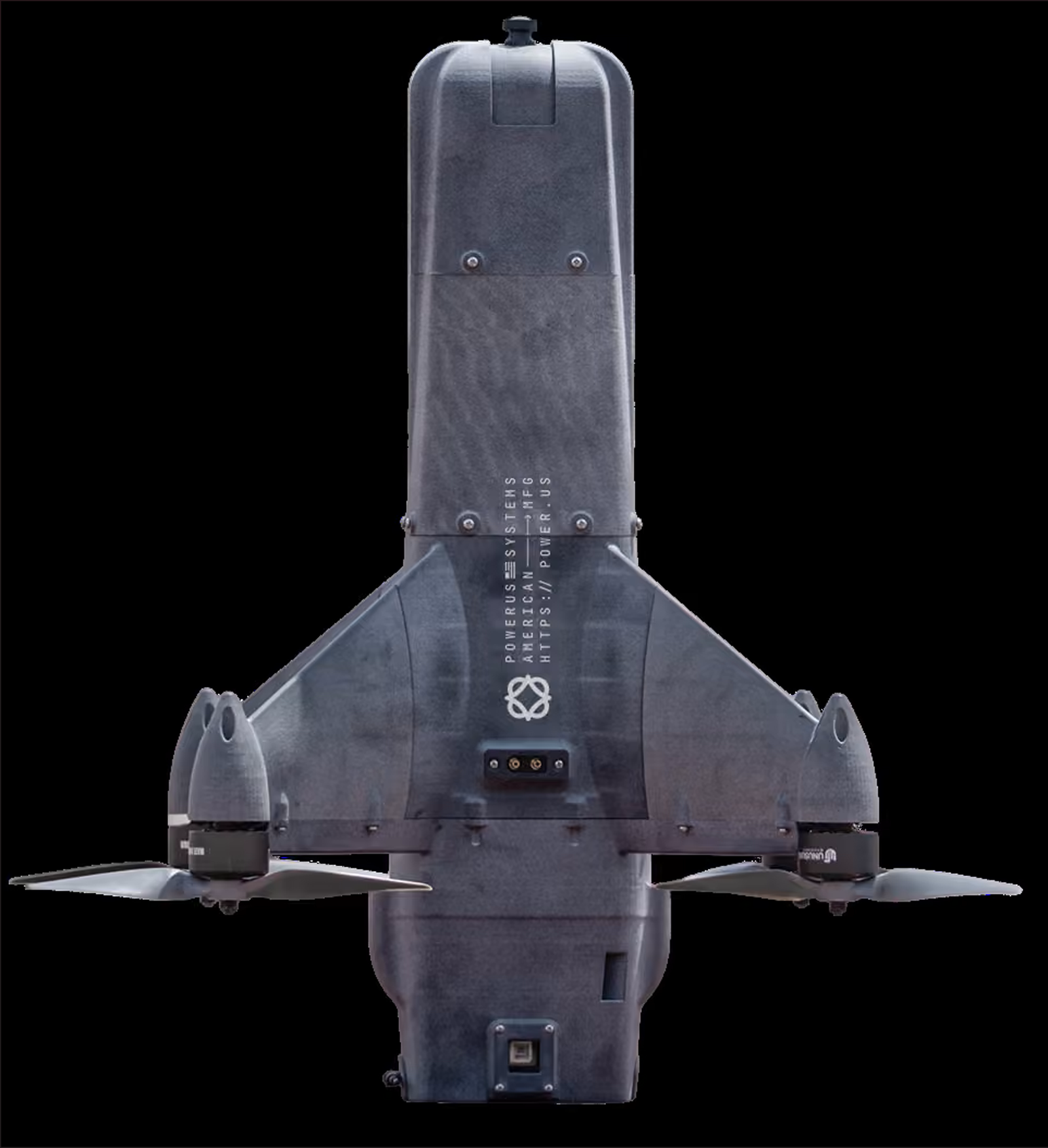
The escalating use of inexpensive, mass-produced drones by Iran has created a costly dilemma for defense forces, prompting a shift towards more economical countermeasures. U.S. defense startup Powerus is now manufacturing interceptor drones, dubbed 'Guardian,' in the United Arab Emirates at a cost of about $5,000 (7 million South Korean won) each.
These Guardian drones are designed to collide with and destroy incoming threats, primarily targeting Iranian Shahed-series drones. The move comes as a direct response to the economic disparity in drone warfare: Iran's Shahed drones cost around $40,000, while intercepting them with missiles like Lockheed Martin's PAC-3 can cost up to $4 million. This 100-to-1 cost ratio makes traditional missile defense unsustainable against large drone swarms.
Powerus has streamlined the Guardian's production by utilizing 3D-printed components and readily available commercial parts, assembling them like 'Lego blocks.' This modular design allows for rapid and cost-effective manufacturing. Instead of producing finished products in the U.S. for export, Powerus provides components, software, and technical expertise to local manufacturers in the UAE, leveraging existing facilities to reduce production time and costs.
It is not possible to fire a 5.5 billion won missile at a 55 million won drone.
The UAE facility currently produces about 30 Guardian drones daily, with plans to increase this to 100 per day. Powerus aims to boost global production to 15,000 units per month by mid-2027. This localized production model is gaining traction, with other defense companies like Raytheon and Lockheed Martin also exploring similar collaborations in the UAE and Europe to produce more affordable interceptors.
While the Guardian is effective against medium-sized drones like the Shahed, experts note it's a complementary, not a replacement, for high-end systems like the PAC-3, which can counter more significant threats such as ballistic missiles. The strategy involves using low-cost interceptors for cheaper threats and reserving expensive missiles for high-value targets. Powerus is also expanding its business in the Middle East and India, recently securing a $22 million commercial contract to protect oil and gas facilities. Notably, Powerus's growth has been linked to the Trump family, with a merger announced shortly after the Iran-Israel conflict began, involving entities with Donald Trump Jr. and Eric Trump as shareholders and advisors.
Guardian like low-cost interceptors are complementary to PAC-3, not substitutes.
DistantNews Editorial
Originally published by Dong-A Ilbo in Korean. Translated, summarized, and contextualized by our editorial team with added local perspective. Read our editorial standards.
More Stories



From Our Blog

What Gets Lost (and Found) When News Is Translated

The Critical Role of Diaspora Media in Global News

What Travellers Should Know About Countries with Restricted Press

A Digital Nomad's Guide to Following Local News

How the Same Story Looks Different in Different Countries
