

75 years ago, the trial against Áron Márton and his associates began in Bucharest
Translated from Hungarian, summarized and contextualized by DistantNews.
At a glance
News
Sources not specified
Context piece
- A trial against Bishop Áron Márton and his associates began in Bucharest 75 years ago, leading to Márton's imprisonment and house arrest.
- Despite pressure, Márton refused to compromise with the communist regime for his freedom.
- Pope Francis recently recognized Márton's heroic Christian virtues, granting him the title "Venerable," a step towards sainthood.
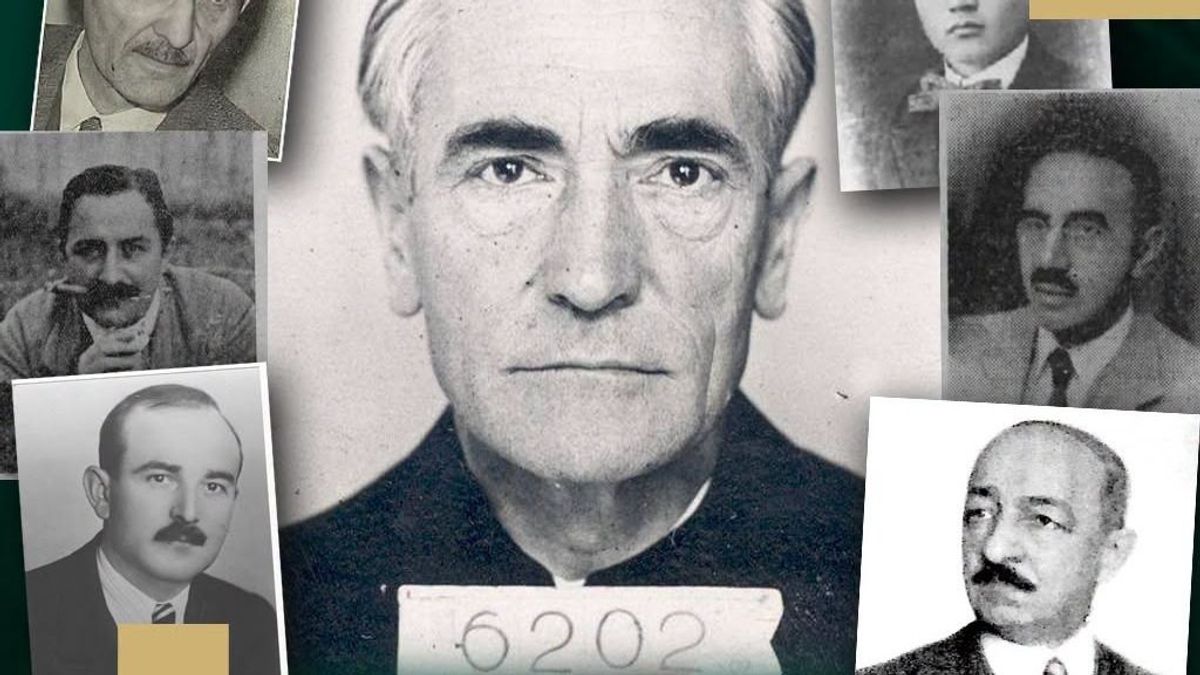
Seventy-five years ago, the trial against Bishop Áron Márton and his associates commenced in Bucharest, marking the beginning of a period of severe persecution for the bishop under the communist regime. Márton endured nearly six years in prison, followed by a decade of house arrest, which was only lifted in November 1967.
Denisa Bodeanu, an archivist at the National Council for the Study of the Securitate Archives, confirmed that Márton never made any promises to the communist authorities in exchange for his release. Records from negotiations with Petru Groza reveal the bishop's steadfastness, quoting him as saying, "Leave me in prison. Prison life is hard, but if freedom is dear to me, I do not cling to it at any cost." Despite being free to move, Márton remained under constant surveillance by the communist state.
In a significant development for his legacy, Pope Francis approved a decree on December 18, 2024, recognizing Bishop Márton's heroic practice of Christian virtues. This recognition grants him the title "Venerable," the most crucial ecclesiastical acknowledgment preceding beatification and a step closer to sainthood.
To further honor his memory and message, the Archdiocese of Alba Iulia officially opened the Áron Márton 130 commemorative year in Cluj-Napoca on February 12, 2026. This event occurred exactly 87 years after Márton's own consecration as bishop in the same church in 1939. A key objective of this commemorative year is to ensure Márton's message reaches younger generations.
Leave me in prison. Prison life is hard, but if freedom is dear to me, I do not cling to it at any cost.
DistantNews Editorial
Originally published by Magyar Nemzet in Hungarian. Translated, summarized, and contextualized by our editorial team with added local perspective. Read our editorial standards.
More Stories



From Our Blog

Countries Without a Free Press: What You Need to Know

What Press Freedom Means for the News You Read

What Gets Lost (and Found) When News Is Translated

The Critical Role of Diaspora Media in Global News

What Travellers Should Know About Countries with Restricted Press
