


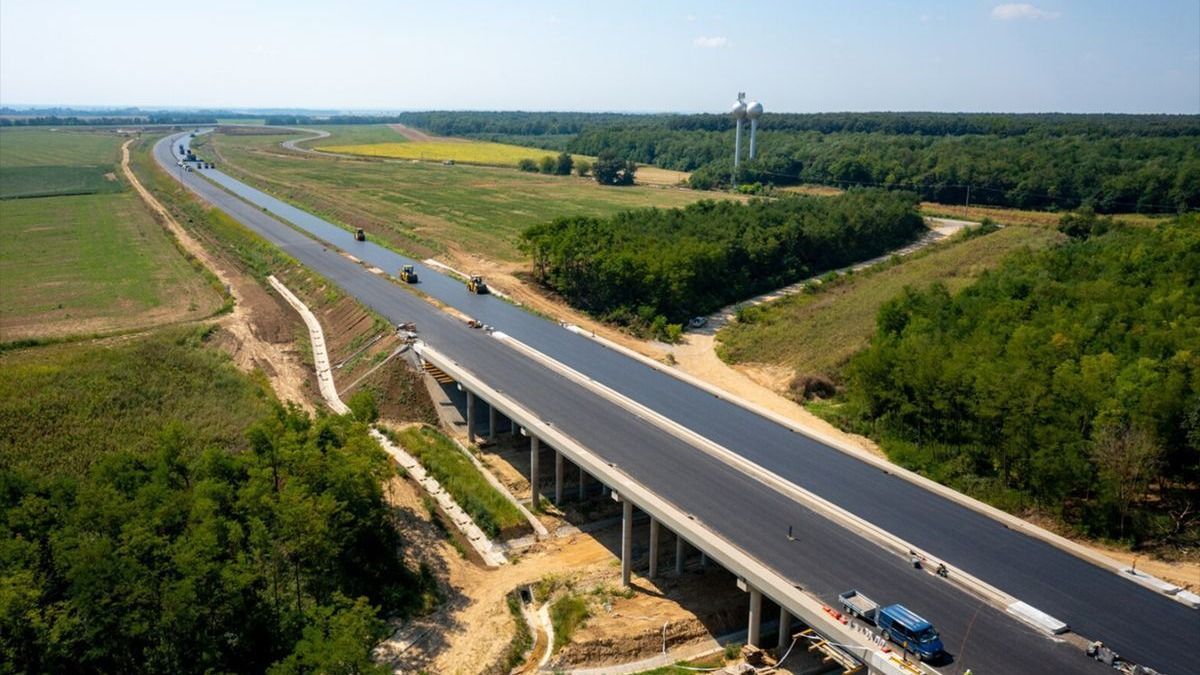

A 30% stake and hundreds of millions in tax revenue, but who bears the wind farm risk?
Translated from Hungarian and summarized by DistantNews. Read the original for the full story.
At a glance
Opinion
Sources not specified
Context piece
- A proposed rule would give municipalities a purchase right for up to 30% of a wind farm, rather than a free ownership stake.
- For a 100-megawatt project, that stake could cost about 5 billion forints and might require debt financing.
- The article warns that uncertain dividends, operational problems, bankruptcy and legal disputes could expose municipalities to significant risks.
A 30% stake in a wind farm may sound like a gift to municipalities, but the proposed Hungarian regulation does not offer free ownership. It would provide a purchase right of up to 30%, exercisable at market value.
For a 100-megawatt project, the price of a 30% stake could be around 5 billion forints. That is a substantial sum for a Hungarian municipality, especially a smaller one. If the purchase required borrowing, the municipality would need to cover interest and repayments from future dividends.
Those dividends would not be fixed or guaranteed. The wind farm would first have to cover operating costs, taxes and loans, while a financing bank could restrict dividend payments in certain circumstances. Weaker winds, lower electricity prices, cost overruns, grid restrictions or new capital requirements could all affect the project’s ability to pay.
The article argues that dividends might not arrive in the early years or under adverse conditions. Municipalities could then have to use other sources to service the debt, potentially raising local taxes. Bankruptcy or litigation involving a partly municipally owned project would create legal risks as well as financial ones.
The author says municipal ownership should not become the central element of local benefit-sharing. It should remain possible only after independent financial, technical and legal due diligence. Minority-owner protections, audit rights, safeguards against dilution and oversight of related-party transactions would be especially important. Unlimited obligations to provide additional capital should not threaten the financing of a municipality’s basic services.
The article also questions whether municipalities should take direct exposure to the energy market without the necessary expertise. Land-lease income creates another distribution problem: money generally goes to the owner of the land hosting a turbine, road, cable or substation. A nearby family may receive nothing, even if the turbine is most visible from its home, its property bears the shadow effect or construction traffic passes along its street.
About this summary
Originally published by Magyar Nemzet in Hungarian. Translated, summarized, and contextualized automatically by DistantNews, with a note on how the source frames the story. Not individually reviewed before publishing. How this works.
More Stories

From Our Blog

Countries Without a Free Press: The 2026 List and What It Means for Readers

What Press Freedom Means for the News You Read

News in Translation: What Gets Lost, and How We Keep the Framing

Diaspora Media: How Communities Follow News From Home

Traveling Where the Press Is Not Free: How to Read the News There
