

A 400-year-old estancia with a little-known history
Translated from Spanish, summarized and contextualized by DistantNews.
At a glance
In-depth
Named sources
Context piece
- The article traces the history of a 62,000-hectare estancia, originally granted in 1580, through various owners and transformations.
- It highlights the significant role of the Jesuits in scientifically organizing and developing the estate, which boasted extensive livestock and enslaved labor.
- The property later passed through prominent families before being acquired by Benito Villanueva, who introduced horse breeding, and subsequently sold to Alfredo Froilán de Urquiza.
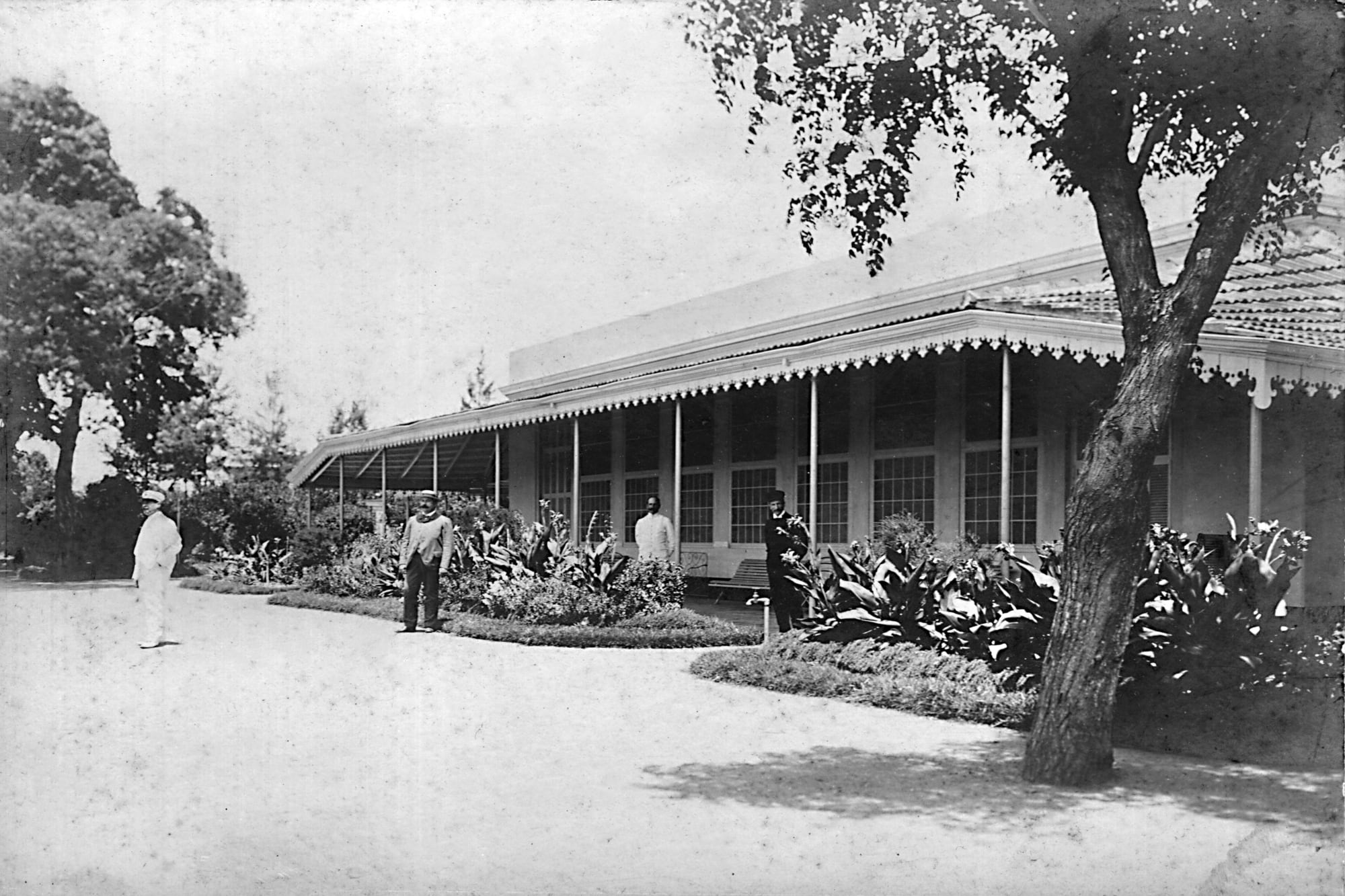
Four centuries of history unfold in the story of a vast estancia, originally granted in 1580 to Cristóbal de Altamirano, a companion of Juan de Garay during the founding of Buenos Aires. Initially part of the city's early layout, the land, encompassing 62,000 hectares, later became a significant Jesuit enterprise.
The Jesuits, as noted by Father Guillermo Furlong, organized estancias scientifically, turning them into centers of progress. The Areco estancia, under their management by 1761, was a model of productivity. It housed 110 enslaved Black people and managed immense herds of cattle and horses, producing over 1200 mules in a single year, alongside thousands of other equines and oxen for transport.
Following the expulsion of the Jesuits, the estancia was purchased by José Antonio de Otálora, whose daughter Ana María became its first proprietor. She later ceded her inheritance to her niece, Cipriana Soler, who married Rufino de la Torre. After Rufino's death, the property was divided among their thirteen children.
In 1882, one of the sons, also named Rufino, sold the estate to Benito Villanueva. A notable politician and entrepreneur, Villanueva, who also presided over the Jockey Club, utilized existing structures to establish horse breeding operations. He sold the property in 1889 to Colonel Alfredo Froilán de Urquiza.
DistantNews Editorial
Originally published by La Nación in Spanish. Translated, summarized, and contextualized by our editorial team with added local perspective. Read our editorial standards.
More Stories



From Our Blog

What Gets Lost (and Found) When News Is Translated

The Critical Role of Diaspora Media in Global News

What Travellers Should Know About Countries with Restricted Press

A Digital Nomad's Guide to Following Local News

How the Same Story Looks Different in Different Countries
