


A call for inclusive disaster risk reduction
Summarized and contextualized by DistantNews.
At a glance
In-depth
Sources not specified
Context piece
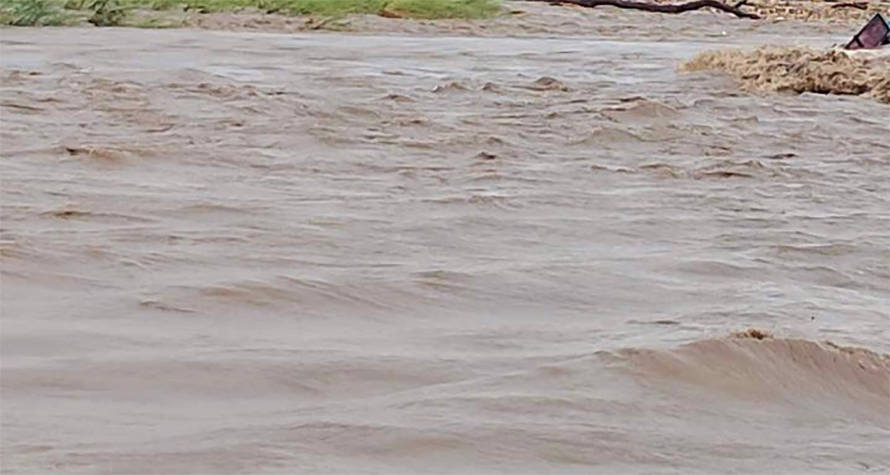
- Heavy rains in Nepal on October 4-5, 2025, caused severe flooding in the Durga Bhagwati Municipality and surrounding provinces.
- The floods displaced 30,000 families and inundated critical infrastructure, including a municipal hospital.
- A temporary maternity unit provided emergency care to 21 women during the disaster.
Incessant rains on October 4-5, 2025, submerged the Durga Bhagwati Municipality in Nepal's Rautahat District, leading to widespread flooding that affected 30,000 families across Bagmati, Madhesh, and Koshi provinces. The deluge breached homes and inundated the municipal hospital, creating urgent challenges for residents.
Amidst the crisis, displaced individuals included pregnant women seeking essential maternal health services. Humanitarian agencies, in collaboration with the local government, swiftly established a temporary maternity unit. This unit successfully provided emergency delivery care for 21 women, highlighting a critical response to immediate health needs during the disaster.
Nepal faces recurring natural disasters, with the 2024 Nepal Disaster Report detailing 32,375 incidents between 2018 and 2024, resulting in nearly 3,000 deaths. The data reveals a disproportionate impact on women, who accounted for 1,678 of the fatalities. However, the report emphasizes that vulnerability extends beyond gender, encompassing children, the elderly, individuals with illnesses, persons with disabilities, Dalits, the landless, and the impoverished.
Existing socio-cultural norms and economic structures exacerbate the susceptibility of these groups. While the report acknowledges these vulnerabilities, it highlights a critical need for more detailed Sex, Age, and Disability Disaggregated Data (SADDD). Such data is essential for pinpointing specific risks and informing more effective preparedness and response strategies. The United Nations Office for Disaster Risk Reduction defines vulnerability as conditions that increase susceptibility to hazards, noting its uneven distribution across society.
Women face heightened risks due to caregiving responsibilities limiting mobility, as seen during the 2015 earthquake when many couldn't evacuate immediately. They are also vulnerable to harassment in temporary shelters, with limited access to information and resources potentially diminishing their independence. Children are at risk of injury, malnutrition, psychological trauma, and educational disruption. Similarly, people with illnesses, the elderly, and those with disabilities encounter significant challenges during evacuations and may face shortages of essential medications.
DistantNews Editorial
Originally published by Kathmandu Post. Summarized and contextualized by our editorial team with added local perspective. Read our editorial standards.
More Stories


From Our Blog

What Gets Lost (and Found) When News Is Translated

The Critical Role of Diaspora Media in Global News

What Travellers Should Know About Countries with Restricted Press

A Digital Nomad's Guide to Following Local News

How the Same Story Looks Different in Different Countries
