


A Chemist's Guide to Eradicating Stubborn Mold
Translated from Korean, summarized and contextualized by DistantNews.
At a glance
News
Sources not specified
Context piece
- Mold thrives due to its thick cell walls and ability to spread spores, making it difficult to eradicate.
- Cleaning with water can spread spores, and mold feeds on nutrients like cellulose in wallpaper and even feces in bathroom aerosols.
- Effective removal involves using surfactants or bleach, followed by preventing regrowth with sodium percarbonate and maintaining a dry environment.
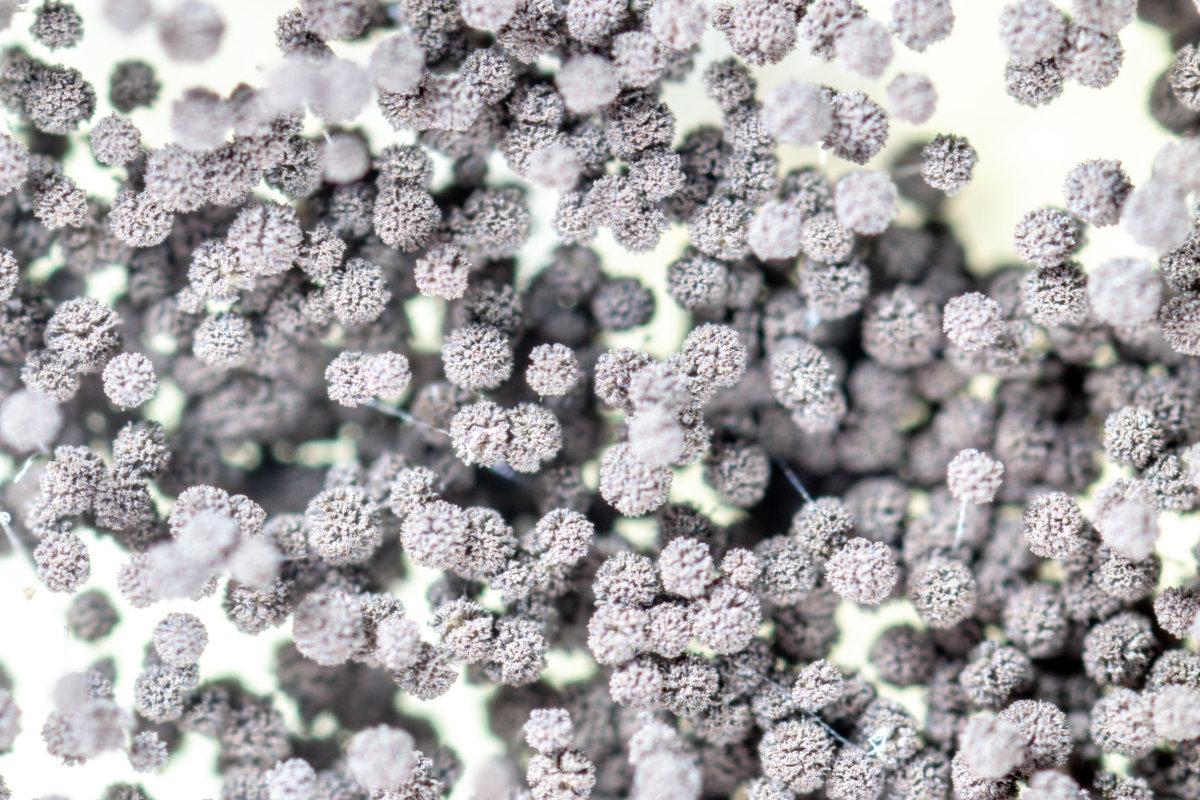
Mold's stubborn persistence in homes, particularly in bathrooms and on wallpaper, stems from its robust biological structure and efficient reproductive strategy. Unlike bacteria, mold possesses a thick, chitinous cell wall that acts as a formidable defense against cleaning agents. Furthermore, mold cells connect to form hyphae, enabling rapid proliferation through spores, which can remain dormant and spread easily through air and water.
Mold has a thick cell wall, unlike bacteria which only have a cell membrane. The mold cell wall can be up to 100 nm thick, composed of a rigid crystalline structure of polysaccharides chitin, glucan, and mannan.
When cleaning, especially with water, mold spores can become airborne and settle on various surfaces, awaiting favorable conditions like moisture and nutrients. Mold on wallpaper, for instance, breaks down cellulose for sustenance. In bathrooms, microscopic fecal particles from toilet flushes can become aerosols, providing a readily available food source for mold. This makes complete eradication challenging, as long as moisture and organic matter are present.
To combat existing mold, chemists recommend using surfactants containing quaternary ammonium ions, which disrupt the mold's cell membrane. For stubborn mold on silicone caulk, bleach is effective, especially when applied as a gel and covered with tape to allow penetration. Other methods include using essential oils, alcohol, or hydrogen peroxide to break down the mold's cellular structure. Crucially, ventilation is advised when using strong chemicals like bleach to avoid inhalation risks.
When cleaning with water, mold spores can spread through the air. Very small and light mold spores float in the air, attaching to the surfaces of objects throughout the house and waiting for conditions favorable for their proliferation.
After cleaning, a preventative measure involves sprinkling sodium percarbonate granules in prone areas. When exposed to moisture, these granules release hydrogen peroxide, inhibiting mold spore growth. Maintaining a dry environment by frequent cleaning and proper ventilation is key to long-term mold prevention. Air purifiers can also help reduce airborne spore counts. Ultimately, consistent cleaning and humidity control are the most effective strategies against this persistent household nuisance.
If you sprinkle sodium percarbonate granules like salt in places where mold easily forms after cleaning, it is recommended. When water droplets fly, sodium percarbonate dissolves and releases hydrogen peroxide, which inhibits the growth of mold spores.
DistantNews Editorial
Originally published by Dong-A Ilbo in Korean. Translated, summarized, and contextualized by our editorial team with added local perspective. Read our editorial standards.
More Stories



From Our Blog

What Gets Lost (and Found) When News Is Translated

The Critical Role of Diaspora Media in Global News

What Travellers Should Know About Countries with Restricted Press

A Digital Nomad's Guide to Following Local News

How the Same Story Looks Different in Different Countries
