

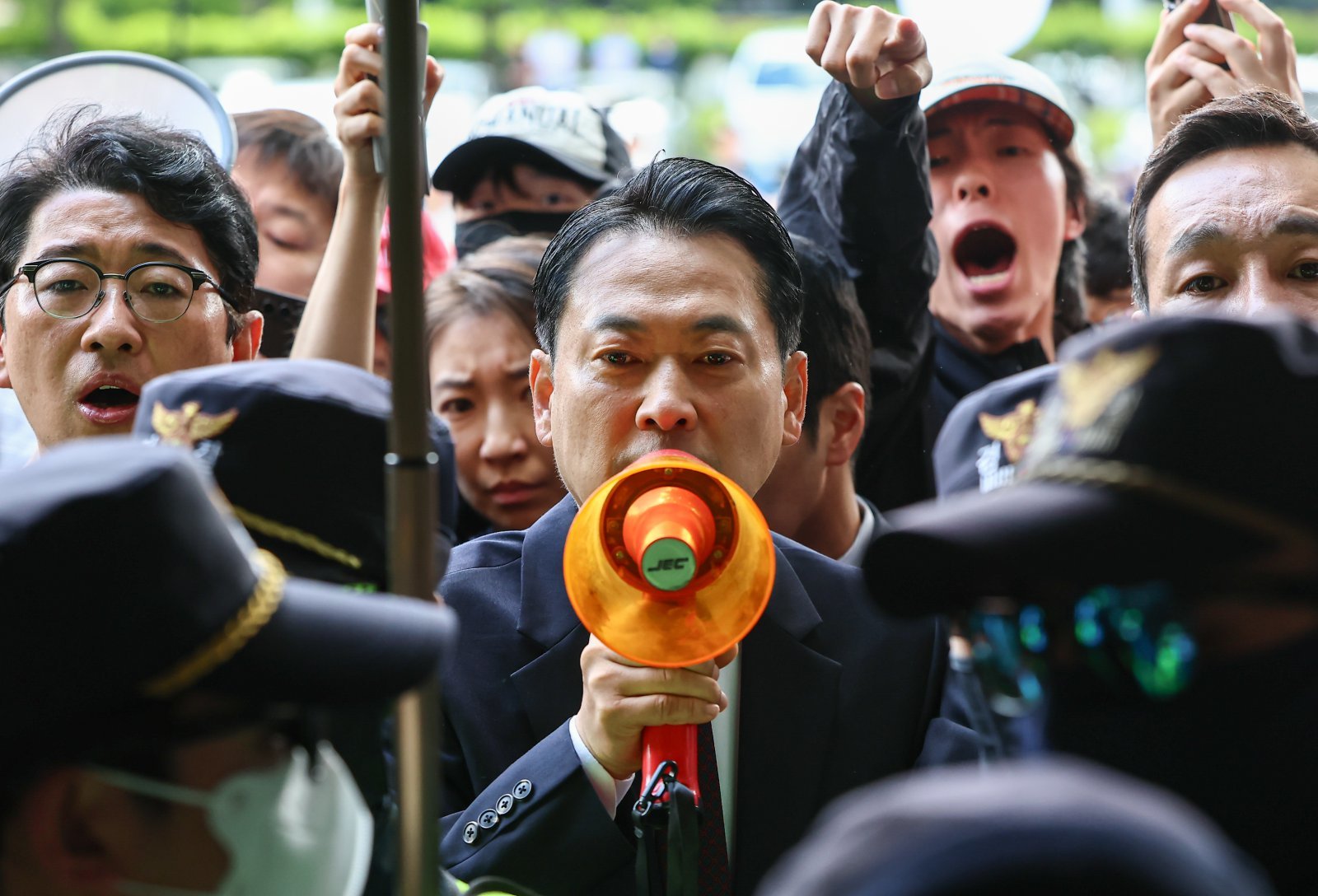

A defeated candidate can become a bigger politician
Translated from Korean, summarized and contextualized by DistantNews.
At a glance
Analysis
Sources not specified
Context piece
- History and politics often favor winners, with losers being forgotten, but political careers can experience comebacks after electoral defeats.
- Numerous prominent South Korean politicians, including former presidents Kim Dae-jung and Roh Moo-hyun, faced multiple election losses before achieving significant success.
- While some defeated candidates, like former Prime Minister Kim Boo-kyum, may not pursue further elections, their influence can continue through other roles.
In the realm of politics, history is often written by the victors, and the defeated are frequently relegated to obscurity. While election winners become the people's representatives, those who lose are often seen as having their political lives extinguished. The saying in political circles is that a monkey falling from a tree remains a monkey, but a politician losing an election is no longer considered a person.
However, the political landscape is replete with examples of comebacks. Former President Kim Dae-jung faced four defeats in parliamentary elections before finally winning a seat on his fifth attempt. He lost the presidential election three times before succeeding in 1997. Similarly, former President Roh Moo-hyun experienced several electoral setbacks, including losses in parliamentary and mayoral elections, before eventually winning a by-election and later the presidency.
These are not isolated incidents. Many other South Korean politicians have demonstrated resilience after electoral defeats. Former Seoul Mayor candidate Kim Min-seok, after losing in 2002, eventually became a Member of Parliament and later Prime Minister. Former Prime Minister Han Myeong-sook, who lost the Seoul mayoral race in 2010, went on to serve as Prime Minister under the Moon Jae-in administration. Even politicians who have faced recent defeats, like Na Kyung-won, continue to hold parliamentary seats.
I will resign from my parliamentary seat today and become an ordinary citizen. I cannot help but feel deeply moved thinking that this marks the effective end of my 40-year tumultuous political career.
The article highlights numerous other examples across different political offices, illustrating a recurring theme of politicians overcoming electoral losses to achieve further success. This pattern suggests that a single election defeat does not necessarily signal the end of a political career. The ability to persevere, adapt, and potentially stage a comeback is a significant aspect of political life.
Regarding the recent election results, the defeat of former Prime Minister Kim Boo-kyum in the Daegu mayoral race is noted. While his personal electoral future might be uncertain, the article suggests his influence could continue. Kim Boo-kyum himself stated that his defeat was personal and not a setback for citizens seeking change. He expressed hope for a future where political parties in Daegu strive to serve the public, hinting at possibilities for him to contribute to Daegu's development or nurture future political talent. His role as a unifier is also acknowledged.
This is my personal defeat, not a defeat for the citizens of Daegu who yearn for change. Do not be discouraged. Do not despair. We have seen the possibility of politics as a service, where both ruling and opposition parties strive to serve the citizens.
DistantNews Editorial
Originally published by Hankyoreh in Korean. Translated, summarized, and contextualized by our editorial team with added local perspective. Read our editorial standards.
More Stories

From Our Blog

What Gets Lost (and Found) When News Is Translated

The Critical Role of Diaspora Media in Global News

What Travellers Should Know About Countries with Restricted Press

A Digital Nomad's Guide to Following Local News

How the Same Story Looks Different in Different Countries
