

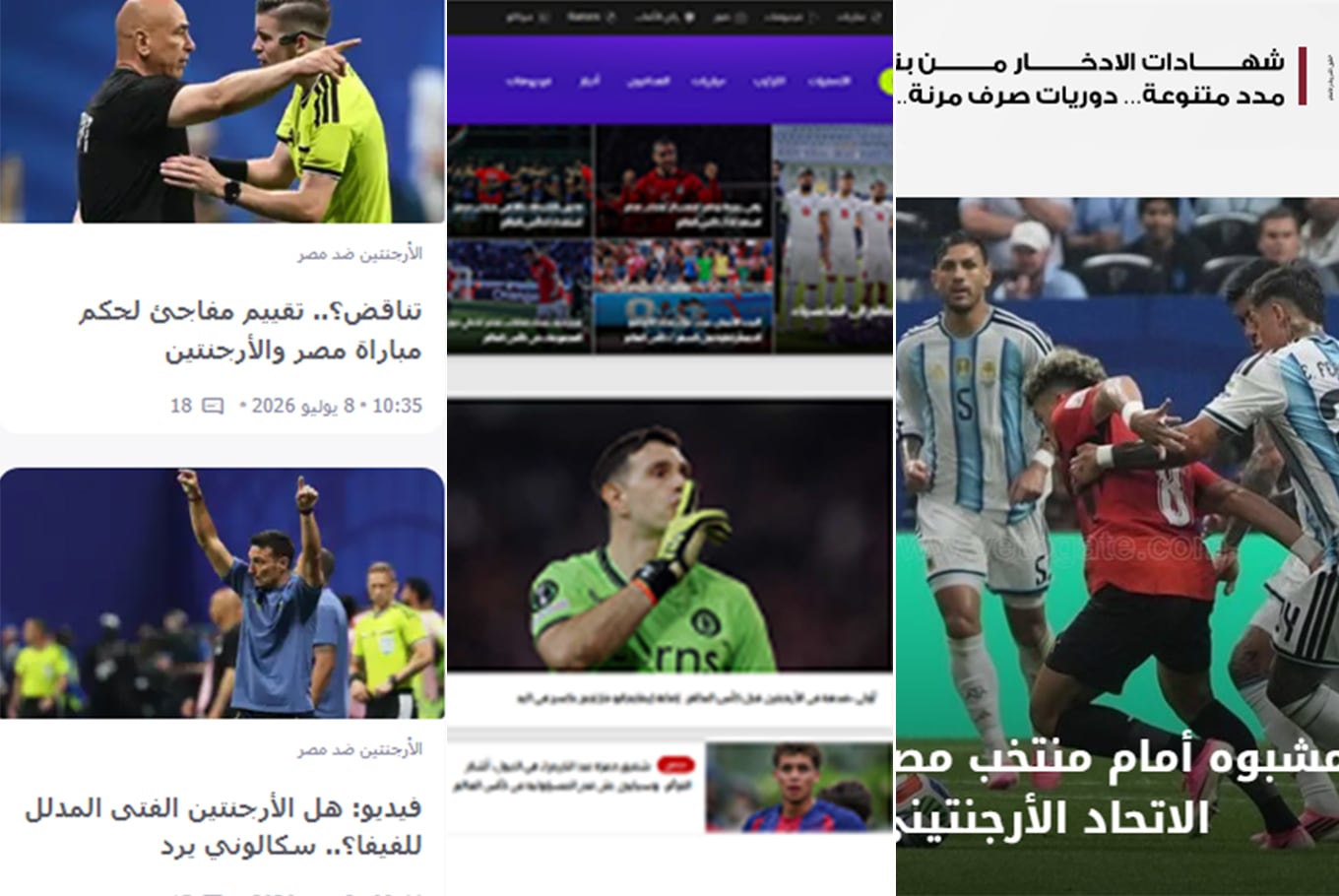

A different Messi: The emotional champion who no longer needs to prove himself at the World Cup
Translated from Spanish, summarized and contextualized by DistantNews.
At a glance
In-depth
Named sources
Ongoing story
- Lionel Messi displayed uncharacteristic emotional vulnerability during Argentina's World Cup match against Egypt.
- Despite missing a penalty and Argentina falling behind 0-2, Messi was visibly moved by the team's comeback to a 2-2 draw.
- The article suggests this World Cup shows a more sensitive and authentic Messi, who feels a profound responsibility to his teammates.
Lionel Messi exhibited a profound emotional display during Argentina's World Cup match against Egypt, a moment that seemed to capture a different side of the usually stoic superstar. After Argentina equalized to make it 2-2, Messi stood momentarily still, eyes filled with tears, seemingly processing the intense rollercoaster of the game.
Minutes earlier, Messi had missed a penalty, and Argentina found themselves trailing Egypt 0-2, raising fears that his sixth World Cup could end prematurely. However, a subsequent comeback, culminating in a late equalizer, brought hope back to the team. Yet, the enduring image was of Messi, visibly overcome by emotion, a rare sight for a player who has often carried the weight of a nation's expectations.
While Messi has cried with the Argentine jersey before, often in the wake of painful losses or after significant victories like the World Cup win in Qatar, this tournament appears to be revealing a more sensitive and authentic version of the captain. He seems more permeable to the events around him, as if finally allowing himself to express his feelings after years of shouldering the responsibility of making an entire country happy.
His post-match interview further illustrated this shift. When asked about his tears and the possibility of it being his last World Cup match, Messi focused not on himself but on his teammates. He repeatedly mentioned his missed penalty, not as a personal failing, but because he felt he had let down a group that "deserved to keep fighting." This sense of obligation to reciprocate the effort his teammates put in, running, pressing, and sacrificing for him, seems heavier than ever.
Messi's self-imposed pressure is evident. He once stated, "Goals are part of my job," explaining why missed penalties hit him so hard. It's not about personal records, but about his deep commitment to the team. This profound sense of responsibility extends to the fans, whose affection he worked years to earn, finally solidifying with recent titles like the 2021 Copa América.
DistantNews Editorial
Originally published by La Nación in Spanish. Translated, summarized, and contextualized by our editorial team with added local perspective. Read our editorial standards.
More Stories


From Our Blog

What Gets Lost (and Found) When News Is Translated

The Critical Role of Diaspora Media in Global News

What Travellers Should Know About Countries with Restricted Press

A Digital Nomad's Guide to Following Local News

How the Same Story Looks Different in Different Countries
