

A difficult story
Summarized and contextualized by DistantNews.
At a glance
Analysis
Sources not specified
New plan
- Pakistan's economy shows signs of recovery, with growth at 3.7% and reduced inflation, according to the Economic Survey 2026.
- The government is credited with stabilizing the economy amid various pressures.
- However, the survey highlights a lack of transformative change, with low investment and structural issues hindering sustainable growth.
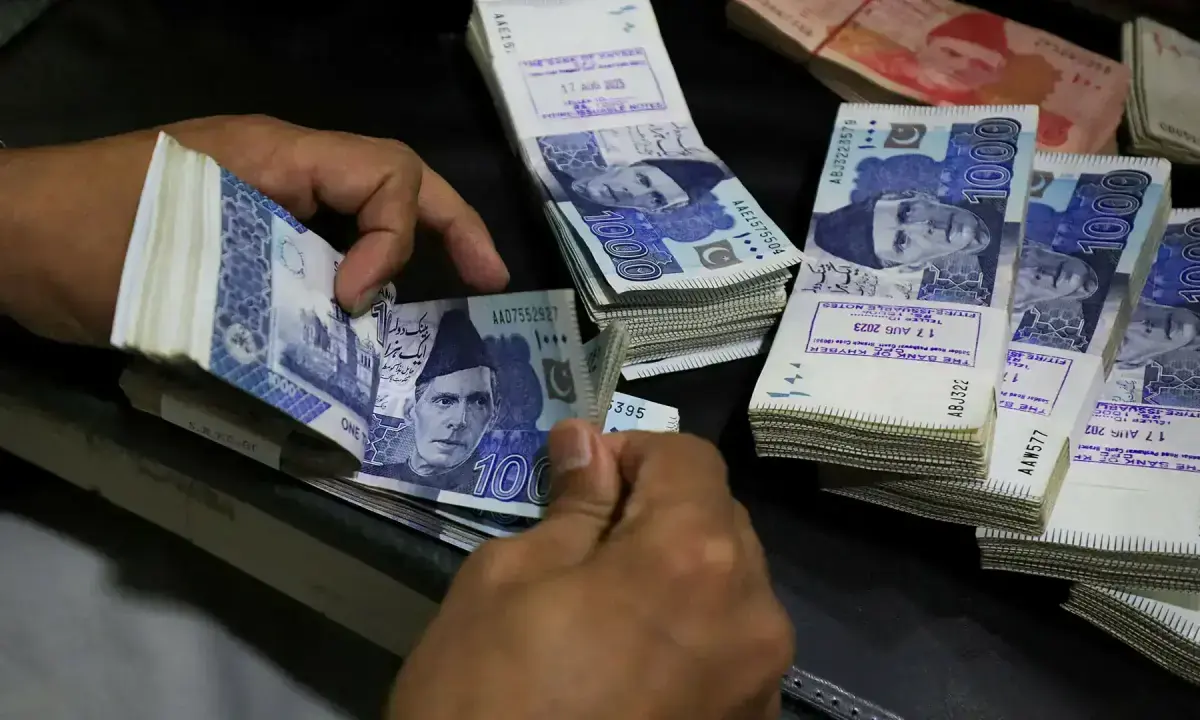
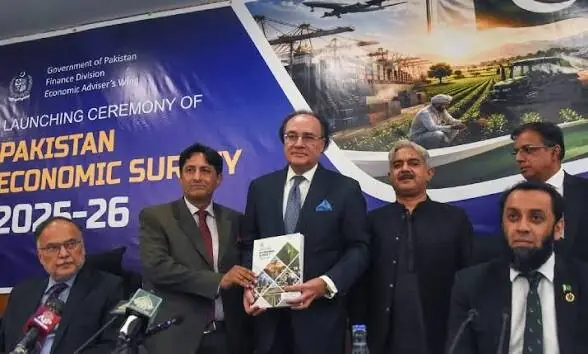
Pakistan's Finance Minister Muhammad Aurangzeb presented a hopeful narrative of economic recovery with the launch of the Economic Survey 2026, citing growth from negative figures to 3.7%, reduced inflation, and a fragile current account surplus. The government's efforts to stabilize an economy battered by floods, rising energy prices, and regional trade uncertainty have been acknowledged.
Despite these stabilization efforts, the survey reveals a more challenging reality. While growth is at a four-year high, investment as a share of GDP remains critically low, near multi-decade lows. This lack of investment raises concerns about the sustainability of the growth, which appears to be driven by consumption rather than productivity gains. Foreign companies are reinvesting primarily to protect existing market positions, not out of confidence in Pakistan's economic potential.
Behind the official optimism, executives describe an environment fraught with tax disputes, regulatory friction, and bureaucratic hurdles. Local investors, considered the true barometer of domestic confidence, are not investing significantly due to persistent structural issues. These include punishing energy costs, high borrowing rates that deter productive investment, a tax system that encourages evasion, and a regulatory environment perceived as hostile to enterprise.
The survey notes simultaneous growth across agriculture, industry, and services, but questions its depth. Growth driven by productivity is seen as compounding and building lasting wealth, unlike growth fueled by consumption or favorable commodity cycles. Pakistan's agricultural sector, despite its size, continues to import essential inputs like cotton and food, underscoring a deep-seated productivity crisis. The report suggests that unless productivity becomes the central focus of economic policy, Pakistan will continue to cycle through crises and fragile recoveries, remaining dependent on IMF bailouts.
DistantNews Editorial
Originally published by Dawn. Summarized and contextualized by our editorial team with added local perspective. Read our editorial standards.
More Stories



From Our Blog

What Gets Lost (and Found) When News Is Translated

The Critical Role of Diaspora Media in Global News

What Travellers Should Know About Countries with Restricted Press

A Digital Nomad's Guide to Following Local News

How the Same Story Looks Different in Different Countries
