


A fascinating graphic novel shaped by a childhood in paradise explores life in a religious community
Translated from Croatian and summarized by DistantNews. Read the original for the full story.
At a glance
Opinion
Named sources
Context piece
- Miljenko Jergović reviews Emmanuel Lepage’s graphic novel “Skrivača-udarača,” which blends autobiographical reportage, local history, anthropology and regional fiction.
- Lepage writes about the Catholic community and social world of his childhood, which the review describes as having disappeared.
- The review examines how imagination contributes to documentary and autobiographical writing without requiring invention.
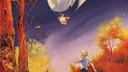
Emmanuel Lepage’s “Skrivača-udarača” combines autobiographical reportage, a small-scale history, anthropological research and a regional novel, according to Miljenko Jergović’s literary recommendation.
The French comic artist, born in 1966, is known for expansive graphic documentary novels, often focused on travel. Jergović says this book is drawn and written in the manner of television series about contemporary history, using documentary images and monologues from witnesses to an era.
Lepage is writing about the world in which he grew up, Jergović says, a world that no longer exists and now seems almost unbelievable. His parents belonged to the lower middle class and postwar proletariat. They were Catholics involved in the associations and movements of their time, amid the revolutionary upheavals that preceded 1968.
The review places the book within a wider discussion of documentary prose, documentary fiction, autobiography and autofiction. It traces those forms through European literary history, from Jean-Jacques Rousseau and nineteenth-century realism to Joyce, Hemingway, Truman Capote, Jorge Luis Borges and writers who recorded their own lives, including Varlam Shalamov and Imre Kertész.
Jergović argues that one element has received less attention: the role of imagination. His conclusion is that writing does not need to invent events in order to imagine them.
About this summary
Originally published by Večernji List in Croatian. Translated, summarized, and contextualized automatically by DistantNews, with a note on how the source frames the story. Not individually reviewed before publishing. How this works.
More Stories

Norway bids farewell to King Harald: Family quietly follows coffin to chapel, one member draws atten…

It is still scorching outside, but German shoppers are furious about Christmas products in stores: “…

“Don’t Sunbathe When My Husband Is Home”: New Neighbor’s Message Throws the Neighborhood Into Chaos,…
From Our Blog

What Gets Lost (and Found) When News Is Translated

The Critical Role of Diaspora Media in Global News

What Travellers Should Know About Countries with Restricted Press

A Digital Nomad's Guide to Following Local News

How the Same Story Looks Different in Different Countries
