

A Government Without Precedent is Being Born in Romania? Analyst Costin Ciobanu Explains the Trap Behind Sorin Grindeanu's Offer
Translated from Romanian, summarized and contextualized by DistantNews.
At a glance
Analysis
Named sources
Context piece
- PSD leader Sorin Grindeanu stated his party agrees to a minority government rotation under specific conditions.
- PSD would take the first turn in governing, with Siegfried Mureșan of PNL, USR, and UDMR leading until April 2027.
- Political analyst Costin Ciobanu views Grindeanu's statement as a significant step, potentially simplifying the political landscape by reducing it to two main blocs.
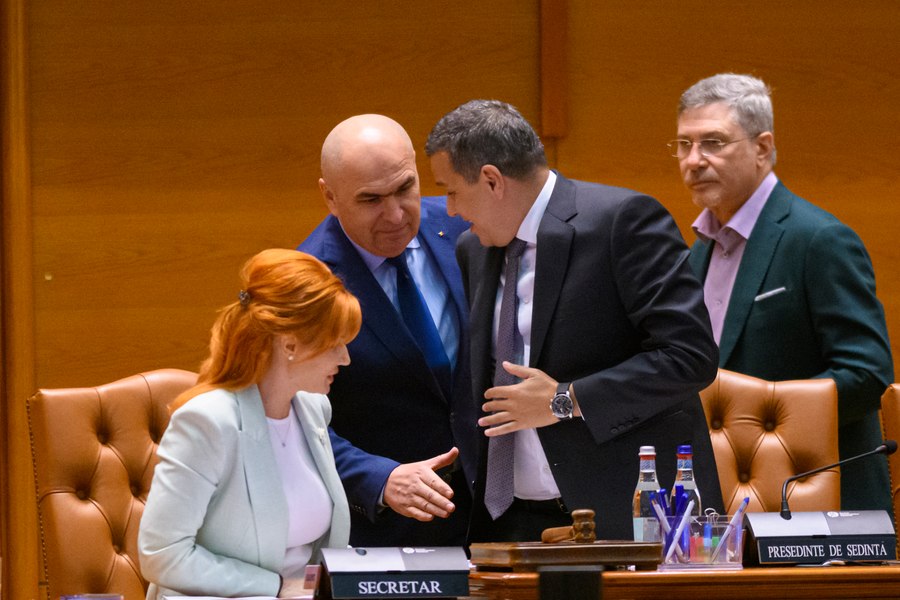
Romanian politics is navigating a complex negotiation for government formation, with PSD President Sorin Grindeanu announcing his party's conditional agreement to a minority government rotation. PSD is willing to accept the terms set by Ilie Bolojan and Dominic Fritz, provided their party assumes the initial governing role.
Now, on the spot, I sign the proposed agreement. Let Bolojan and Fritz come and I sign it. With all measures. Let Bolojan come and sign it and vote for a minority PSD government.
This proposal comes as a response to an offer from PNL, USR, and UDMR, who had nominated MEP Siegfried Mureșan as prime minister. Their plan involved Mureșan leading the government until April 2027, followed by a PSD-appointed premier. Grindeanu declared his readiness to sign the agreement immediately, emphasizing PSD's willingness to proceed if they lead first.
I agree with the rotation if it starts with PSD.
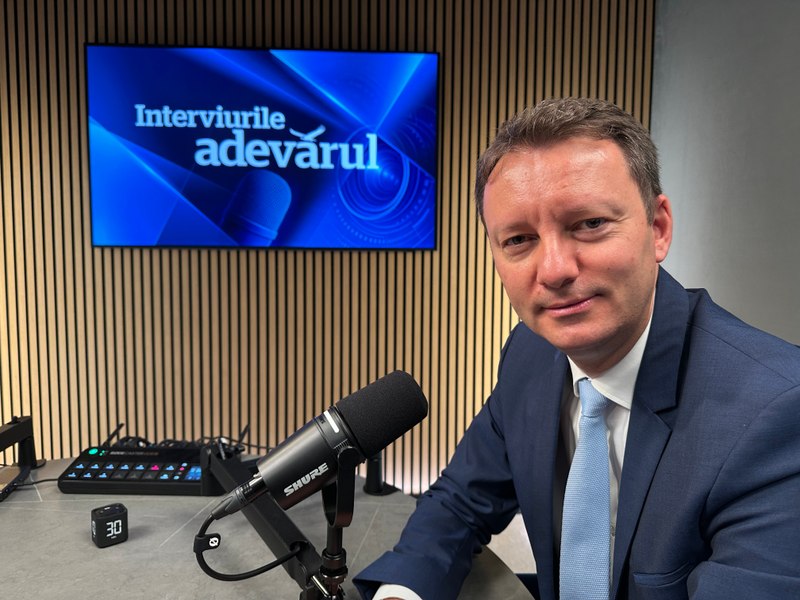
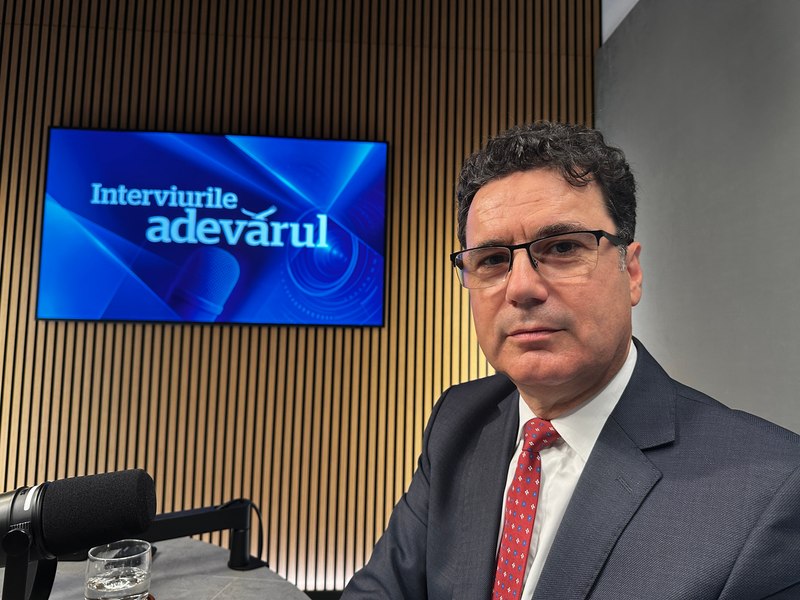
Political analyst Costin Ciobanu interprets Grindeanu's statement as a relevant development. He suggests it diminishes the likelihood of two alternative scenarios: early elections, which the president has indicated are distant, and a government relying on the votes of AUR, a party whose recent actions, like George Simion's call to suspend the president, make it a less viable partner.
Ilie Bolojan is deliberately delaying the formation of a government with full powers. PSD is the only anchor of stability in this political chaos. Ilie Bolojan is the aggressor, the victim is Romania.
Ciobanu believes AUR's positioning simplifies the political dynamic, consolidating the landscape into two primary blocs rather than three. He notes that the current crisis is fundamentally one of trust among the main parties, requiring meticulous detail in the governance formula from the outset, unlike previous rotations. While Grindeanu's offer is a step, rebuilding trust remains a significant challenge.
It is an important step because it is clear that we are not facing the two alternative scenarios. The first is the scenario of early elections, which the president also commented on yesterday. So this scenario seems quite distant. The second is the use of AUR votes, which, after what happened with the Veștea government, no longer seems to be the best option. We also saw George Simion's statement about suspending the president. In a way, what AUR is doing simplifies things. Instead of talking about three blocs, we are talking about two blocs. There was also Sorin Grindeanu's statement today regarding that coalition agreement, which could be a first step. After all, what is the nature of this crisis? It is a major crisis of confidence between the main parties and you need to rebuild trust, although it is easy to say and hard to do.
DistantNews Editorial
Originally published by Adevărul in Romanian. Translated, summarized, and contextualized by our editorial team with added local perspective. Read our editorial standards.
More Stories
From Our Blog

What Gets Lost (and Found) When News Is Translated

The Critical Role of Diaspora Media in Global News

What Travellers Should Know About Countries with Restricted Press

A Digital Nomad's Guide to Following Local News

How the Same Story Looks Different in Different Countries
