


A nuclear debut in Bangladesh tests developing world’s atomic shift
Summarized and contextualized by DistantNews.
At a glance
News
Named sources
Ongoing story
- Bangladesh is building its first nuclear power plant, Rooppur, with Russian assistance, aiming to supply 15% of its electricity by 2028.
- The project represents a significant bet on nuclear power to meet industrializing energy demands and reduce fossil fuel reliance, especially after recent geopolitical conflicts disrupted oil and gas supplies.
- While the plant's cost has increased due to global events and currency fluctuations, it is seen as a strategic move for energy security in developing nations facing resource scarcity.
On the banks of the Padma River, Bangladesh's first nuclear power plant, Rooppur, stands with its four massive cooling towers, a symbol of the nation's ambitious energy strategy. Once fully operational in 2028, the two Russian-designed reactors are projected to supply up to 15% of the country's electricity, marking a significant step in its industrialization.
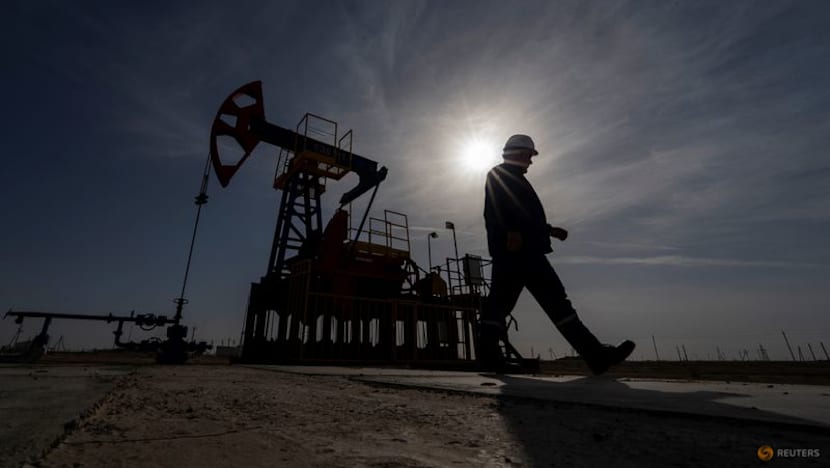
The project is a bold assertion that nuclear power can fulfill the energy needs of a growing economy without prohibitive costs. This development is being closely watched by other developing nations seeking similar solutions. The global resurgence of atomic power, driven by the urgent need for decarbonization and the escalating demand from artificial intelligence and electric transport, provides a backdrop for Bangladesh's initiative.
For Bangladesh and similar economies, nuclear energy offers a path away from fossil fuels and a shield against external shocks. Recent geopolitical conflicts, including the Iran war and the Russia-Ukraine war, have underscored the vulnerability of nations reliant on imported energy. Long lines at gas stations, widespread blackouts, and hampered factory output have become stark reminders of this dependency.
"The recent geopolitical conflicts – Iran and Russia-Ukraine – have shown that a scarcity of resources hurts poorer countries more than rich ones," noted R. Srikanth, who leads the energy program at the National Institute of Advanced Studies in Bengaluru, India. "That strengthens the case for nuclear in emerging economies."
The 2.4-gigawatt Rooppur project, over a decade in the making, has navigated numerous challenges, including the COVID-19 pandemic and ongoing global conflicts. These events, while delaying the initial commissioning timeline, have paradoxically reinforced Bangladesh's strategy to reduce its reliance on imported fossil fuels. Prime Minister Tarique Rahman's government, which came to power in February, is committed to reviving growth, and the nuclear plant aligns with this agenda. The first reactor is now expected to be operational by early 2027, with the second to follow a year later, according to Md. Zahedul Hassan, managing director at Nuclear Power Plant Co Bangladesh Ltd.
However, like other developing economies, Bangladesh faces escalating costs. The project's price tag, under contract with Russia's Rosatom, is approximately $12.65 billion, including initial fuel costs. This figure has increased by nearly a quarter in local currency terms since the project's inception, reflecting the economic pressures and global market fluctuations impacting such large-scale endeavors.
The recent geopolitical conflicts – Iran and Russia-Ukraine – have shown that a scarcity of resources hurts poorer countries more than rich ones. That strengthens the case for nuclear in emerging economies.
DistantNews Editorial
Originally published by The Straits Times. Summarized and contextualized by our editorial team with added local perspective. Read our editorial standards.
More Stories

From Our Blog

What Gets Lost (and Found) When News Is Translated

The Critical Role of Diaspora Media in Global News

What Travellers Should Know About Countries with Restricted Press

A Digital Nomad's Guide to Following Local News

How the Same Story Looks Different in Different Countries
