

A Planetarium Could Be the Tisza Government's Liget Project, and Karácsony No Longer Objects
Translated from Hungarian, summarized and contextualized by DistantNews.
At a glance
News
Sources not specified
Context piece
- Budapest's Városliget (City Park) has undergone significant development, including new museums and cultural venues, as part of the "Liget Budapest" project.
- In contrast, Népliget (People's Park) is described as being in a chaotic state.
- Mayor Gergely Karácsony, who previously opposed the Városliget project, now appears open to a large-scale redevelopment of Népliget, potentially including a planetarium.
Budapest's Városliget, or City Park, stands in stark contrast to the currently chaotic state of Népliget (People's Park). Years of development under the "Liget Budapest" project, with a budget exceeding 250 billion forints, have transformed Városliget. The project has introduced new landmarks like the Museum of Ethnography, the House of Hungarian Music, and the Millennium House, alongside revitalized green spaces and public areas, significantly reshaping one of Budapest's most famous parks.
I consider myself an extremely peaceful person, but if construction begins with unlawful permits, I will defend Városliget with my own body if necessary, and I will encourage all Budapest residents to do the same.
The House of Hungarian Music, designed by Japanese architect Sou Fujimoto, is a particularly iconic element. Its undulating, perforated roof and expansive glass surfaces allow natural light to filter through, creating a structure that appears to merge with the park's trees. This project, described as the largest state development in the last 15 years, has drawn both praise for its architectural achievements and criticism regarding its impact on the park's green spaces.
Mayor Gergely Karácsony has been a vocal critic of the Liget Budapest project for years, previously urging civil disobedience and vowing to protect Városliget with his own body. He famously likened building in a park to an inappropriate act in a sacred space. Even after the project's completion, Karácsony continued to criticize the concept, calling it a "completely misguided" development. He argued that while completed structures should remain, the city should reclaim the park and its associated funds, transforming the built areas back into green spaces.
Building in a park in the 21st century is like urinating in the holy water font in a church, which might be acceptable, but it ruins what we are there for.
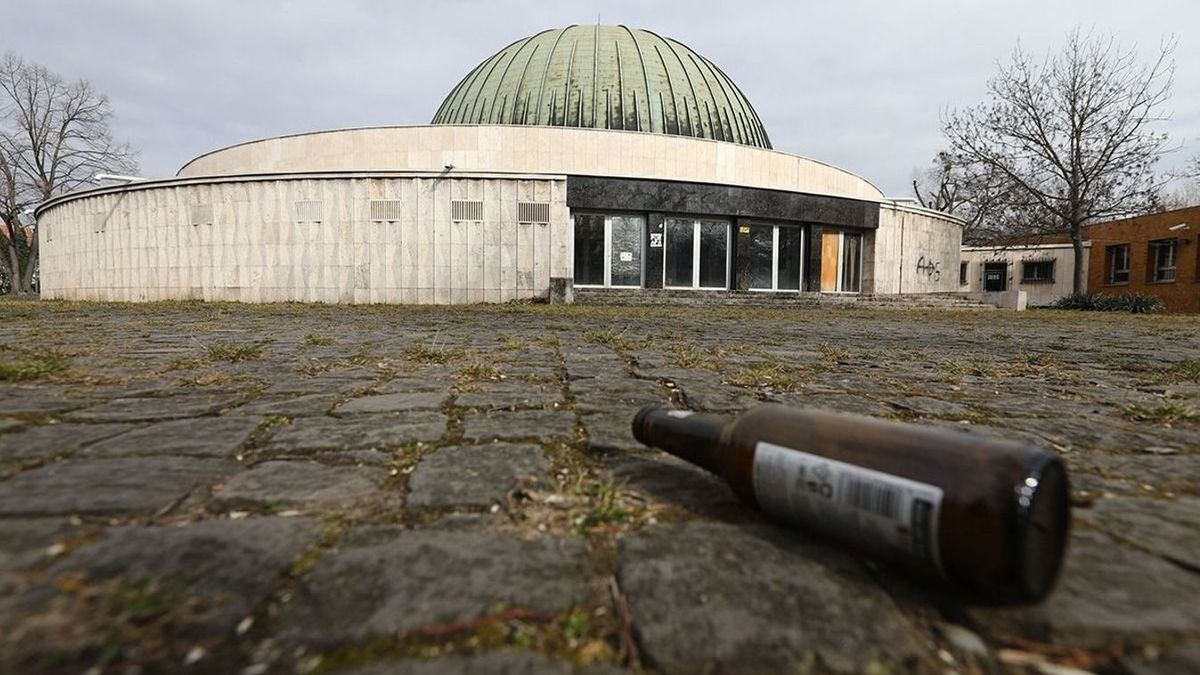
Interestingly, Karácsony appears to have no objections to a potential multi-billion forint redevelopment of Népliget, which could reshape the entire park and possibly include a planetarium. This apparent shift in stance regarding park development, contrasting his strong opposition to the Városliget project, has raised questions about his current priorities for Budapest's public spaces.
The greatest sin was not committed: giving a new home in the park to the National Gallery, which exists in the Castle and is in a wonderful location. I cannot imagine a greater folly for a city than treating its 200-year-old park as a construction site.
DistantNews Editorial
Originally published by Magyar Nemzet in Hungarian. Translated, summarized, and contextualized by our editorial team with added local perspective. Read our editorial standards.
More Stories



From Our Blog

Countries Without a Free Press: What You Need to Know

What Press Freedom Means for the News You Read

What Gets Lost (and Found) When News Is Translated

The Critical Role of Diaspora Media in Global News

What Travellers Should Know About Countries with Restricted Press
