


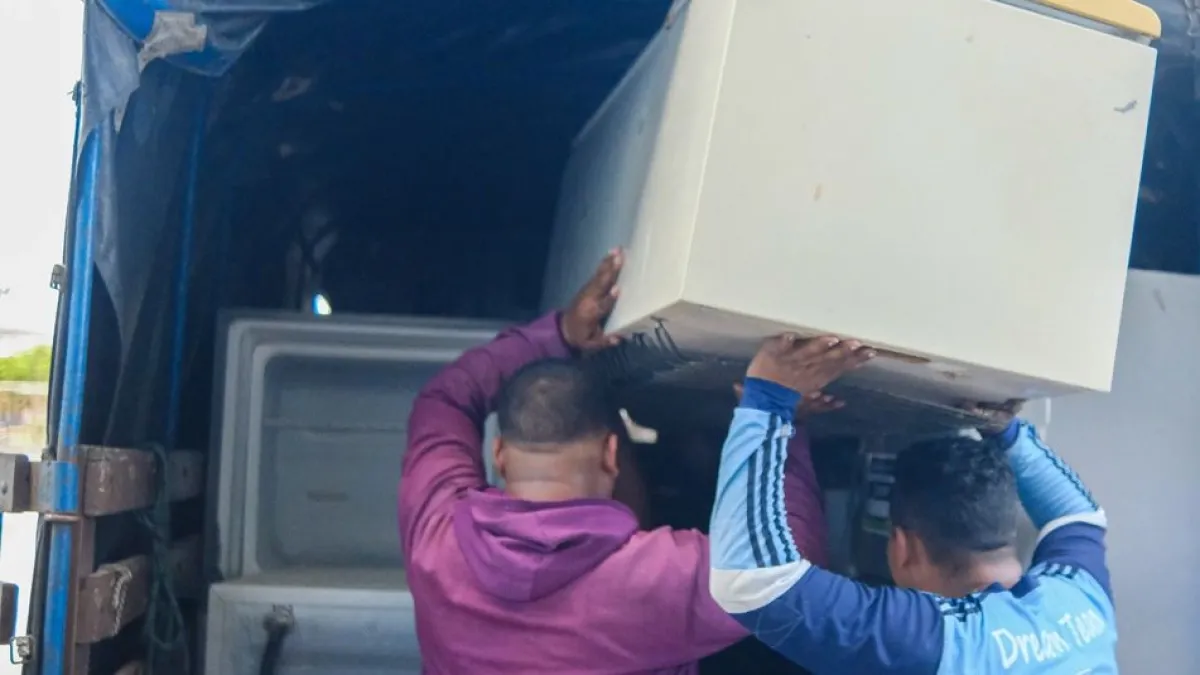

A refuge among the ashes: rescuing wildlife surviving Tolima’s devastating fires
Translated from Spanish and summarized by DistantNews. Read the original for the full story.
At a glance
News
Named sources
Ongoing story
- Wild animals in Colombia’s Tolima department are struggling to survive fires that have burned more than 50,000 hectares across about 30 municipalities.
- Cortolima’s wildlife center in Ibagué is treating 56 animals affected by fires in August and early September, including 35 with burns or lacerations.
- Eleven animals were found completely burned or died during diagnosis and first aid because of the severity of their injuries.
Animals fleeing through smoke and flames as high as five meters are finding a refuge at a wildlife center in Ibagué, even as fires devastate Tolima. Some arrive badly burned, disoriented and barely able to breathe. Others do not survive the flames or their injuries.
The fires have affected about 30 municipalities and destroyed more than 50,000 hectares. In areas including San Luis, Coello, Guamo, Armero-Guayabal, Melgar, Coyaima, Alvarado, Suárez, Venadillo, Honda and Mariquita, farmers have reported seeing wildlife with serious injuries to their limbs and struggling through dense smoke.
The fortunate animals are taken to the Wildlife Care and Assessment Center operated by the Autonomous Regional Corporation of Tolima, known as Cortolima. The center occupies a large property in the Combeima River canyon, in the upper part of Ibagué on the route toward Nevado del Tolima. Surrounded by waterfalls and dense vegetation, it receives injured wildlife every day.
There, the animals receive medical care, appropriate food and specialized attention before returning to their natural habitats. Zulyana Sánchez, a zoologist and Cortolima’s coordinator for control and monitoring, said the center was treating 56 animals affected by fires in August and the first days of September. Thirty-five had arrived with first-, second- or third-degree burns and lacerations.
Mammals have suffered the greatest losses, followed closely by birds, while reptiles have also struggled to escape. Woolly opossums, which spend their days in treetops feeding on fruit, are among the species hit hardest. Cortolima has also rescued and released some animals, offering a rare counterpoint to the destruction across the burned fields.
About this summary
Originally published by El Tiempo in Spanish. Translated, summarized, and contextualized automatically by DistantNews, with a note on how the source frames the story. Not individually reviewed before publishing. How this works.
More Stories

From Our Blog

News in Translation: What Gets Lost, and How We Keep the Framing

Diaspora Media: How Communities Follow News From Home

Traveling Where the Press Is Not Free: How to Read the News There

The Digital Nomad's Guide to Local News

The Same Story, Different Countries: How Coverage Changes at the Border
