


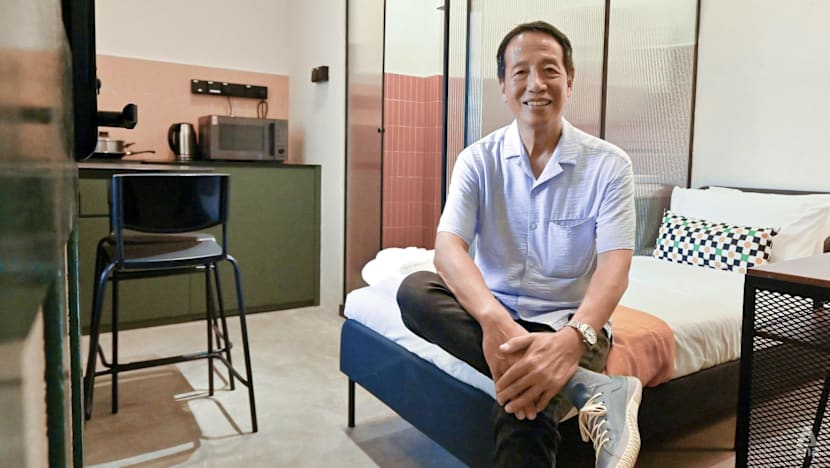
A rung on the housing ladder: Co-living fills gap for young adults, but home ownership remains end goal
Summarized and contextualized by DistantNews.
At a glance
News
Sources not specified
Context piece
- Co-living is emerging as a new housing option for young adults in Singapore, offering independence before marriage or homeownership.
- A co-living pilot under the SG Youth Plan has garnered significant interest, with over 600 people expressing a desire for personal space and independent living.
- Observers caution that this pilot is unlikely to alter Singapore's long-standing policy prioritizing home ownership, viewing co-living as an additional step rather than a fundamental shift.
Co-living arrangements are gaining traction among young adults in Singapore as a transitional housing option, providing a stepping stone to independence before marriage or purchasing their first home. This trend reflects evolving housing aspirations driven by later marriages and a desire for greater flexibility during the transition to adulthood, all while affordability remains a key concern.
Following the announcement of a co-living pilot program under the SG Youth Plan last month, which offers over 100 units at discounted rates to Singaporean youths aged 21 to 35, more than 600 individuals have expressed interest as of August 12. A spokesperson for the Ministry of Culture, Community and Youth noted that the majority of interested parties are single youths citing a need for more personal space and the experience of living independently.
While co-living is seen as an additional rung on the housing ladder, experts caution against interpreting the pilot as a fundamental shift in Singapore's national housing policy. National Development Minister Chee Hong Tat acknowledged that societal changes have led to diverse household structures and housing aspirations. "While homeownership remains a key tenet of Singapore’s social compact, we recognise that there is also demand for flexible accommodation options, such as by younger Singaporeans who are looking to rent initially before buying their own homes," he stated, emphasizing that encouraging home ownership remains a priority.
While homeownership remains a key tenet of Singapore’s social compact, we recognise that there is also demand for flexible accommodation options, such as by younger Singaporeans who are looking to rent initially before buying their own homes.
Observers suggest that co-living could fill a gap in the traditional housing journey for Singaporean youth. Professor Sumit Agarwal from the National University of Singapore noted that the once straightforward path of living with parents, marrying, and buying a flat is becoming more varied. Young people are marrying later, changing jobs more frequently, and spending time abroad, with some simply wishing to experience independent living before marriage. He views the inclusion of co-living in the SG Youth Plan as an acknowledgment of this evolving housing journey, describing it as an "additional rung on the housing ladder rather than an alternative to home ownership."
Dr. Tan Ern Ser, an adjunct principal research fellow at the Institute of Policy Studies, concurs that co-living might represent a "third pathway" in the housing journey. However, she suggests its role is likely to remain supplementary, supporting rather than replacing the deeply ingrained emphasis on home ownership within Singapore's societal framework.
I would probably call it an additional rung on the housing ladder rather than an alternative to home ownership.
DistantNews Editorial
Originally published by CNA. Summarized and contextualized by our editorial team with added local perspective. Read our editorial standards.
More Stories



From Our Blog

What Gets Lost (and Found) When News Is Translated

The Critical Role of Diaspora Media in Global News

What Travellers Should Know About Countries with Restricted Press

A Digital Nomad's Guide to Following Local News

How the Same Story Looks Different in Different Countries
