


A warning signal for democracies
Translated from Spanish and summarized by DistantNews. Read the original for the full story.
At a glance
Opinion
Sources not specified
Context piece
- AfD won 43.8% of the vote and 39 seats in Saxony-Anhalt, more than twice its previous result and close to an absolute majority.
- The editorial argues that AfD’s rise confirms the far right’s central role in the European Union and could lead to its first state government in Germany since 1945.
- It links the party’s growth to immigration fears, regional inequality, economic stagnation and Germany’s recent energy and trade shocks.
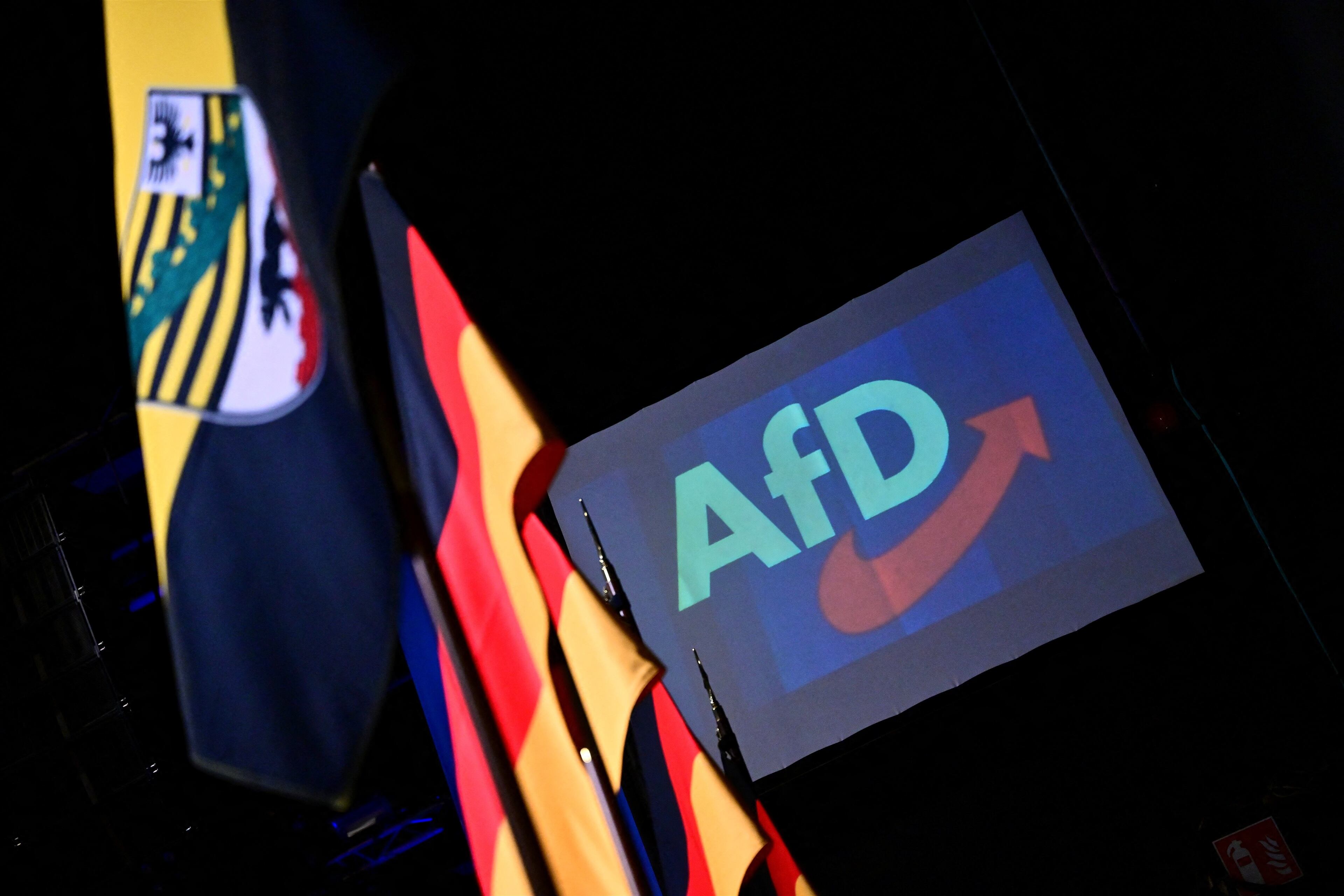
Some elections become symbols of a change of era. The overwhelming victory of Alternative for Germany, or AfD, in the eastern German state of Saxony-Anhalt may be one of them, signaling that the far right has established itself as a central political force in the heart of the European Union.
AfD won 43.8% of the vote on Sunday and took 39 seats in the regional parliament, more than double its previous result. It came close to an absolute majority. If it receives support from the anti-immigration left-wing Alliance Sahra Wagenknecht, it could lead a German state government for the first time since 1945.
The result cannot be dismissed because Saxony-Anhalt has only 2.1 million residents. Germany’s history and its efforts to confront the crimes of its past have not made the country immune to exclusionary and xenophobic ideas. AfD is already leading national opinion polls ahead of Chancellor Friedrich Merz’s Christian Democratic Union, making Merz one of the major losers of the election.
The party’s radicalism has even prompted forces in the same political orbit, including Marine Le Pen’s party, to distance themselves. Some AfD leaders connect directly with movements seeking to relativize National Socialism or proposing exclusionary measures that conflict with Germany’s 1949 Basic Law.
The editorial attributes AfD’s consolidation to factors also seen elsewhere, including the divide between dynamic metropolitan areas and rural regions and the perception of immigration as a threat. It also points to the particular legacy of the former East Germany, where many people feel like second-class citizens. Economic stagnation, industrial decline and falling purchasing power have reinforced the party’s appeal, alongside Germany’s loss of cheap Russian energy, weaker export access to China and uncertainty over future U.S. protection.
About this summary
Originally published by El País in Spanish. Translated, summarized, and contextualized automatically by DistantNews, with a note on how the source frames the story. Not individually reviewed before publishing. How this works.
More Stories


From Our Blog

News in Translation: What Gets Lost, and How We Keep the Framing

Diaspora Media: How Communities Follow News From Home

Traveling Where the Press Is Not Free: How to Read the News There

The Digital Nomad's Guide to Local News

The Same Story, Different Countries: How Coverage Changes at the Border
