


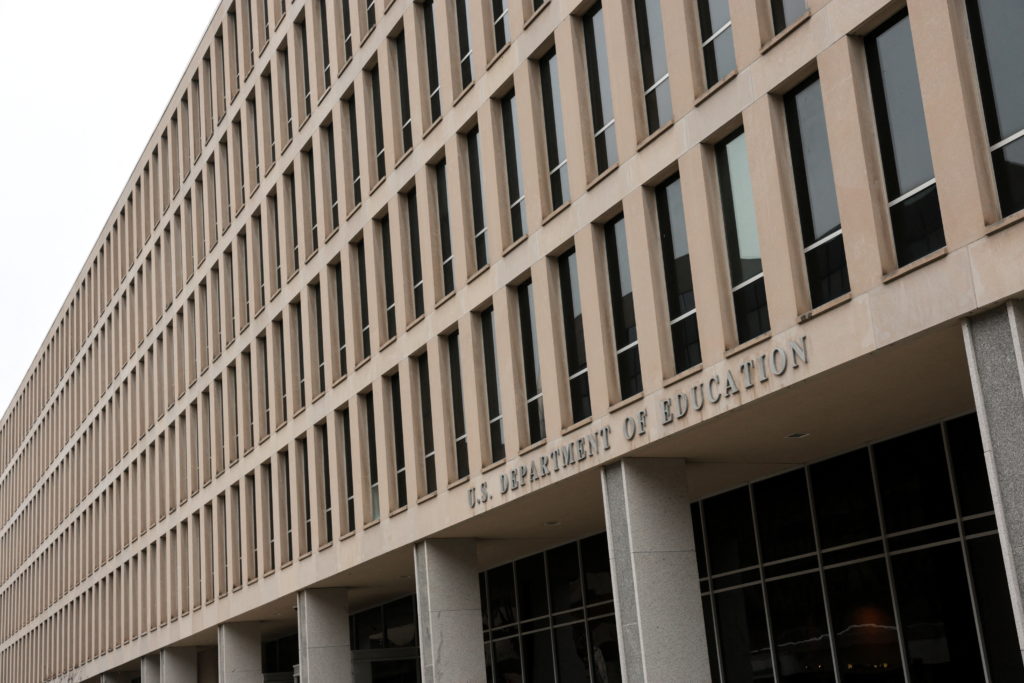
A wave of student loan borrowers have entered default since pandemic-era protections lapsed
Summarized and contextualized by DistantNews.
At a glance
News
Documents & data
Context piece
- Student loan defaults have surged in the U.S., with 9.5 million borrowers now in default, over nine months behind on payments.
- This spike follows the lapse of pandemic-era payment pauses and a subsequent buffer period, with defaults resuming in late 2024.
- The increase in defaults is attributed to borrowers struggling with rising costs and the recent overhaul of income-driven repayment plans.
A significant wave of student loan borrowers have entered default across the United States, reaching record levels as individuals struggle to manage payments. The numbers have sharply increased since federal payments resumed following an extended pause implemented during the COVID-19 pandemic.
Currently, approximately 9.5 million people, representing one in five federal student loan borrowers, are in default. This status means they are more than nine months behind on their payments. While falling behind on payments can impact credit scores, default carries more severe consequences, such as potential wage garnishment or deductions from Social Security payments, though the Trump administration has thus far refrained from such involuntary collections.
Advocates report a rise in despair among borrowers, citing difficulties in meeting basic needs due to escalating costs. The growing burden of student loan bills exacerbates these financial struggles. The U.S. Education Department's pause on federal loan payments, which ended with a one-year buffer in the fall of 2024, contributed to this situation. Since the pause concluded, the number of defaulted borrowers has surged from 5.3 million to around 9.5 million.
Further defaults may be on the horizon as the Trump administration has altered federal student loan programs. The elimination of the most generous income-driven repayment plan, Saving on a Valuable Education (SAVE), means millions of borrowers will face higher monthly payments. The Education Department has framed these changes as a simplification of a complex system. Many states in the South, including Mississippi with the highest default rate at 28.3%, are experiencing the most significant increases in defaults.
Folks are struggling to make ends meet and cover all the rising costs of everything else. The growing student loan bills are making things worse and folks are falling behind.
DistantNews Editorial
Originally published by PBS NewsHour. Summarized and contextualized by our editorial team with added local perspective. Read our editorial standards.
More Stories



From Our Blog

How the Same Story Looks Different in Different Countries

What Gets Lost (and Found) When News Is Translated

The Critical Role of Diaspora Media in Global News

What Travellers Should Know About Countries with Restricted Press

A Digital Nomad's Guide to Following Local News
