

Accounts Used in 'Used Goods Scams' Will Also Be Immediately Frozen... New Phishing Transaction Freeze Implemented Today
Translated from Korean, summarized and contextualized by DistantNews.
At a glance
News
Sources not specified
New plan
- South Korea is implementing a new system to immediately freeze accounts suspected of being used in "new-type phishing" scams, including used goods fraud and fake online shopping sites.
- This measure aims to prevent criminals from quickly moving illicit funds to other accounts, thereby blocking further damage.
- The Financial Intelligence Unit (FIU) is also pushing for legal revisions to expand account freezing to cover drug trafficking, gambling, and illegal private lending.
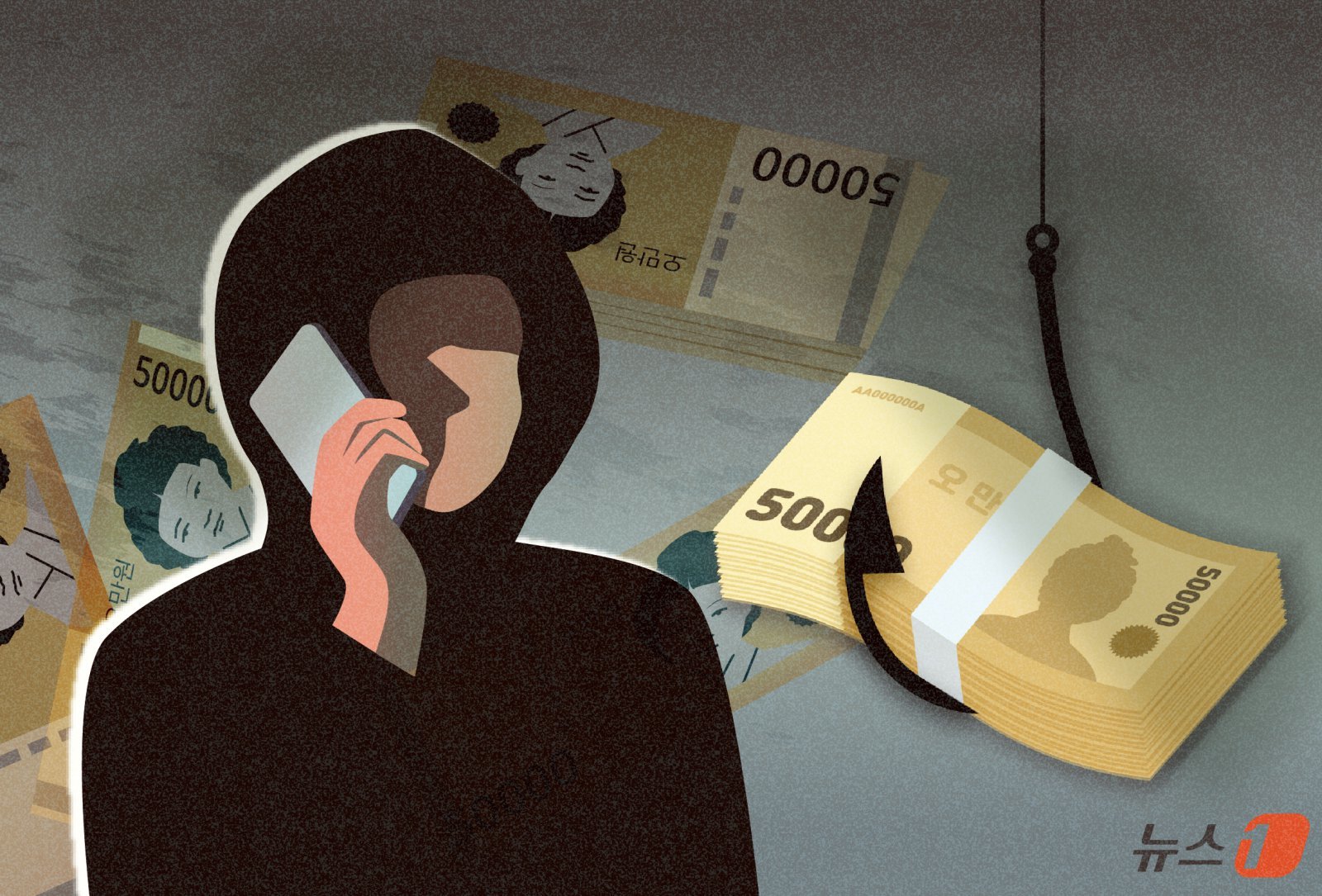
South Korea is enhancing its measures against financial fraud by introducing a system to immediately freeze bank accounts suspected of involvement in "new-type phishing" scams. This initiative, effective immediately, targets fraudulent activities beyond traditional voice phishing, including scams related to used goods transactions and fake online shopping platforms.
The primary objective of this new policy is to prevent criminals from rapidly transferring stolen funds to different accounts, thereby mitigating further financial damage to victims. The Financial Intelligence Unit (FIU) announced the implementation of the "New-Type Phishing Crime Suspected Account Transaction Freeze System" starting June 30.
Previously, financial institutions could only swiftly freeze accounts involved in voice phishing under the Act on the Prevention of Financial Transaction Damage. However, new forms of phishing, often disguised as legitimate transactions for goods or services, were not covered by the existing law, making immediate account freezes difficult. This loophole allowed criminals to quickly move or disperse victim funds.
Under the new system, when a financial institution identifies a suspicious account, it will first implement a temporary suspension of deposits and withdrawals. If the police's integrated response team confirms the activity as new-type phishing, the account will be designated for enhanced customer verification under the Specific Financial Transaction Information Act (특금법) and remain frozen. Victims can report such incidents to the police, initiating the process for account verification and potential freezing.
The FIU will review the transaction freeze within seven business days of notification from the financial institution to determine if the freeze should be maintained. If deemed necessary, the account can remain frozen for up to an additional 30 business days beyond the initial temporary suspension. Further extensions are possible upon police request. Account holders can appeal the freeze, and it will be lifted if they are confirmed to have no involvement in criminal activity.
Furthermore, the government plans to broaden the scope of the transaction freeze system. Currently, it applies to voice phishing and certain capital market unfair trading. Future revisions to the Specific Financial Transaction Information Act aim to allow the FIU to directly freeze suspected accounts involved in major livelihood-infringing crimes, such as drug trafficking, gambling, illegal private lending, and large-scale fraud. Lee Hyeong-ju, head of the FIU, emphasized the need for proactive transaction freezes at the financial transaction stage to quickly block criminal proceeds and prevent further damage, given the evolution of financial crimes into sophisticated, digitally-enabled activities.
DistantNews Editorial
Originally published by Dong-A Ilbo in Korean. Translated, summarized, and contextualized by our editorial team with added local perspective. Read our editorial standards.
More Stories


From Our Blog

What Gets Lost (and Found) When News Is Translated

The Critical Role of Diaspora Media in Global News

What Travellers Should Know About Countries with Restricted Press

A Digital Nomad's Guide to Following Local News

How the Same Story Looks Different in Different Countries
